

Counting the waves…
Counting the waves…
A refined fusion of water purity, environmental stability, and communal vibrancy for Singing Beach.
View MethodologyAnalyzed via live sensors and environmental data.
Wave height, wind, and atmospheric stability.
Live footfall and crowd balance metrics.
Community reviews and curated sentiment.
“Step onto the shore and listen: the white quartz grains crunch and sing beneath your weight, a phenomenon that earned this North Shore crescent its name. Framed by rocky headlands and summer estates, the beach stretches…”
Limited recent visitor reports — live OBI telemetry is your best guide for current conditions.
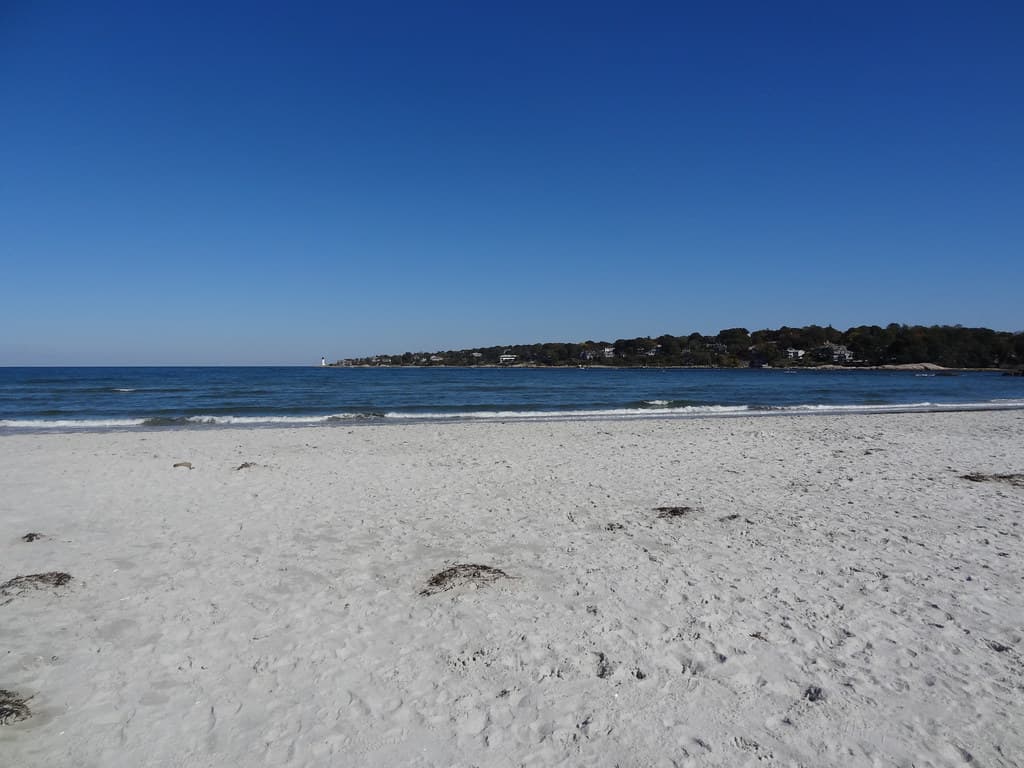
The sound begins the moment your heel strikes the beach—a faint squeak, like rubber on glass, that rises with each step you take across the densely packed quartz. Locals call it singing, though it's more of a melodic creak that intensifies when the sand is dry and your stride deliberate. The phenomenon occurs because the grains are uncommonly round and uniform, grinding against one another in acoustic friction. You'll find yourself walking in circles just to hear it again.
The half-mile crescent sits wedged between two granite promontories, Eaglehead and Lobster Cove, their barnacle-crusted rocks pooling with starfish at low tide. The sand slopes gently into water that hovers around 58 degrees in August—bracing, numbing, the kind of cold that makes children shriek and adults hesitate at thigh-depth. Lifeguards patrol in summer, when the beach fills with families spreading blankets near the bathhouse, a shingled structure that dates to the town's resort era.
Wade into famously bracing Atlantic
Photograph starfish at rocky ends
Explore granite outcrops, Eaglehead side
Where it is
Singing Beach
Manchester-by-the-Sea, Massachusetts, USA
42.579200°, -70.762500°
Weather
Loading…
Swell
—
Temp
Warm · Restorative
UV Index
Moderate
Wind
—
Tidal State
Last known
Max Sunlight
—
Ideal Shade
—
May - Sep (Peak)
Jan - Dec (Off-season)
Historical data suggests peak visibility and stable sea temperatures occur during the prime visitation window.
Select a category to load nearby places.
Unlock restaurants, luxury stays and curated maritime experiences within 2km
Singing Beach is generally safe for swimming during summer months when lifeguards are on duty (typically late June through Labor Day). The water remains cold even in summer, ranging from 55-65°F. Conditions can vary with tides and weather, so check posted flags and warnings. The beach has a gentle slope making it suitable for families, though undertows can occur during storms. Always swim near the lifeguard stand when guards are present. Off-season swimming is at your own risk with no supervision.
Summer (June-August) offers the warmest weather and full amenities including lifeguards, though weekends get crowded. Early mornings on weekdays in July-August provide the best experience with fewer crowds. Spring and fall offer peaceful walks with beautiful scenery but cold water and no lifeguards. Winter visits appeal to solitude-seekers and photographers. Parking restrictions ease off-season (post-Labor Day through mid-June), making access simpler. For the signature 'singing sand' experience, visit when sand is dry—sunny afternoons work best.
Singing Beach is accessible via the MBTA Commuter Rail (Newburyport/Rockport Line) to Manchester station, then a 10-minute walk. This is highly recommended in summer as parking is extremely limited. Non-resident parking requires a daily permit ($25-30 weekdays, $35-40 weekends/holidays) purchased at the Beach Street lot, which fills early on nice days. Street parking is restricted to residents only. Arrive before 9am on summer weekends or consider taking the train. Off-season parking is easier with reduced or no fees.
Singing Beach has basic facilities including bathrooms and outdoor showers. A small snack bar operates during summer offering drinks, ice cream, and light refreshments. For full meals, walk into Manchester-by-the-Sea village (10-15 minutes) where you'll find restaurants, cafes, and a grocery store. No hotels directly on the beach, but nearby accommodations include inns and vacation rentals in Manchester-by-the-Sea and neighboring Magnolia. Beverly and Gloucester offer additional lodging options within 15 minutes' drive.
Singing Beach earned its name from the distinctive squeaking or singing sound the sand makes when you walk on it. This phenomenon occurs due to the sand's unique composition—uniform, round quartz grains that create friction when compressed underfoot. The sand 'sings' best when completely dry, so visit on sunny days and walk above the tide line. Scuff your feet or rub the sand between your hands to hear the sound. Not all beaches produce this effect, making it a noteworthy feature that attracts curious visitors.