
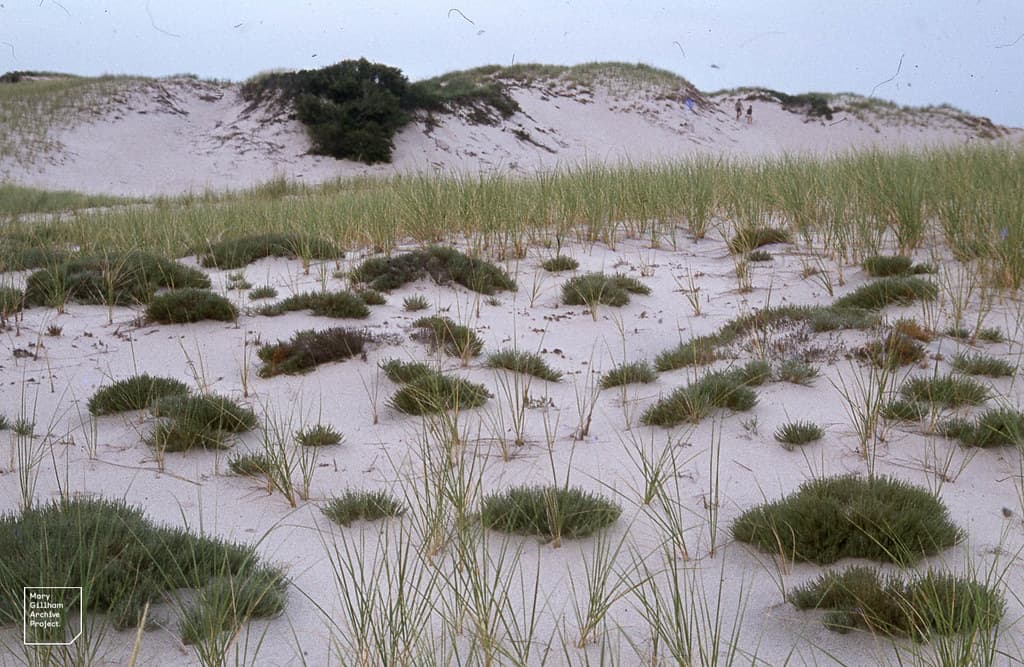
Sandy Neck stretches along Barnstable Harbor like a living geography lesson, its six-mile spine built grain by grain over four thousand years. You park near the gatehouse and walk toward a shoreline that feels more Maine than Massachusetts—cool bay water instead of crashing surf, rockweed tangled at the wrack line, and sandbars that emerge at low tide like temporary islands. The dunes to your left rise in soft peaks and valleys, held in place by poverty grass and beach heather that blooms pale pink in August.
“This barrier beach protects the largest contiguous salt marsh system on Cape Cod, a four-thousand-year-old landform still actively migrating.”
 Credit: Flickr
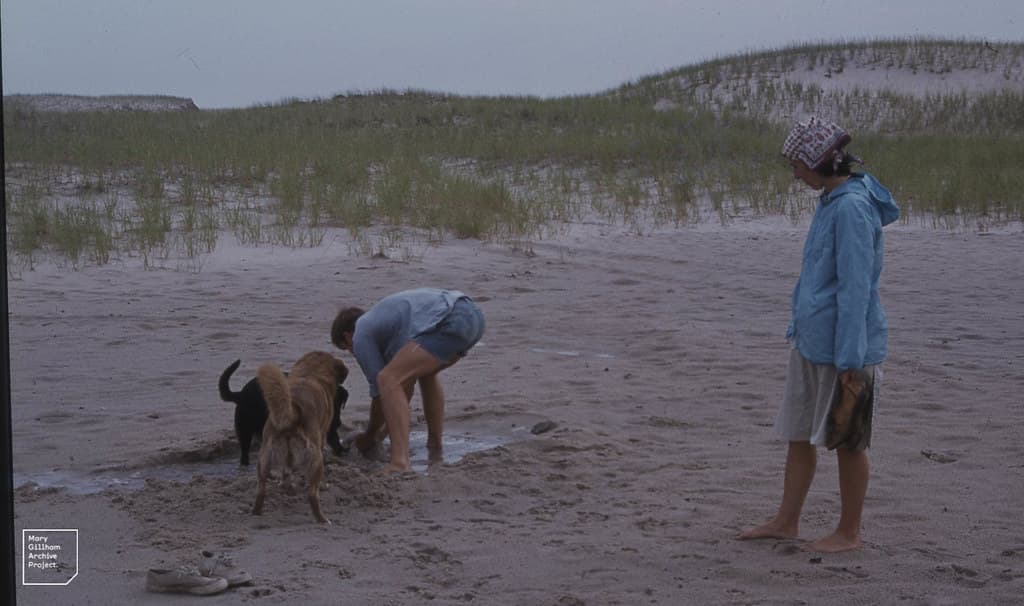
Water very near top. Sandy neck blow out. Massachusetts
The beach shifts personality with the seasons. Summer brings families to the gentle waves and tidal pools; autumn paints the marsh in rust and amber; winter storms reshape the shoreline overnight. In spring, piping plovers stake their territories in the upper beach, and entire sections close to protect their shallow scrapes in the sand. You'll share this stretch with surf casters angling for striped bass and locals walking their dogs before the seasonal crowds arrive.
What makes Sandy Neck memorable isn't spectacle but constancy—the same tides that shaped this barrier beach still pulse twice daily, the same wind patterns sculpt the dunes, and the same pitch pine forest huddles behind the sand, dark green against blonde. You're standing on borrowed land, really, temporary as every barrier beach, and all the more compelling for it.


