
West Cat Island rises from the Mississippi Sound like a secret kept by fishermen and birders who know these waters by heart. The beach here stretches in a narrow ribbon of sand, pale and packed firm at low tide, soft and shell-scattered where the Gulf has recently retreated. You'll arrive by private boat or kayak—there are no ferries, no parking lots, no lifeguard towers—and the moment your feet touch down, the hum of Bay St. Louis fades into pelican calls and the rustle of sea oats.
“This is one of the last undeveloped barrier islands along the Mississippi Sound, accessible only by private watercraft and still entirely free of human infrastructure.”
 Credit: Flickr
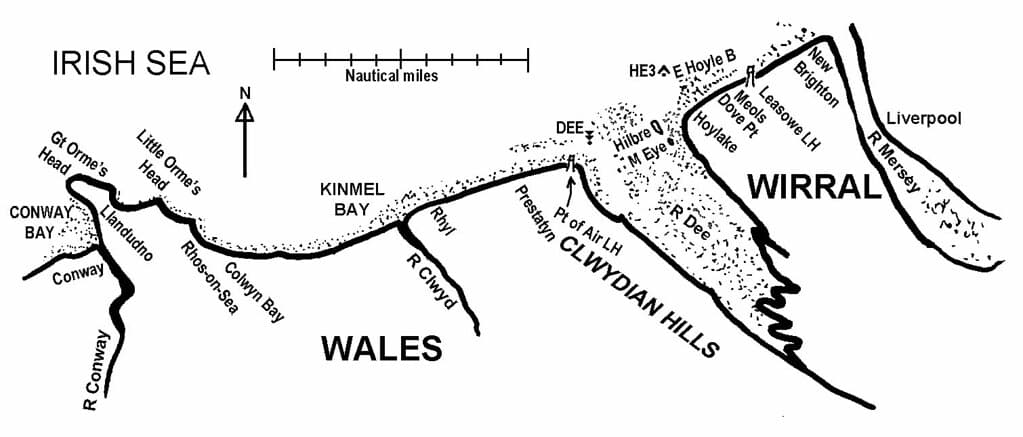
The coast of north Wales
The island itself is a study in contrasts: dense maritime forest on one side, open tidal flats on the other. Wading birds stalk the shallows at dawn, and ghost crabs scuttle sideways across sun-bleached logs. The water here is warm and shallow, stained brown-green by tannins from coastal marshes, nothing like the turquoise postcards but honest in its wildness. You'll find no shade structures, no concession stands—just the raw, unpolished Gulf Coast as it was before highways stitched the shoreline together.
Bring everything you need in a dry bag: water, sunscreen, a wide-brimmed hat. The sun here is relentless, the sand reflective, the breeze salty and persistent. When you're ready to leave, you'll push off from shore with sand between your toes and the quiet knowledge that you've touched a Mississippi few visitors ever see.


