
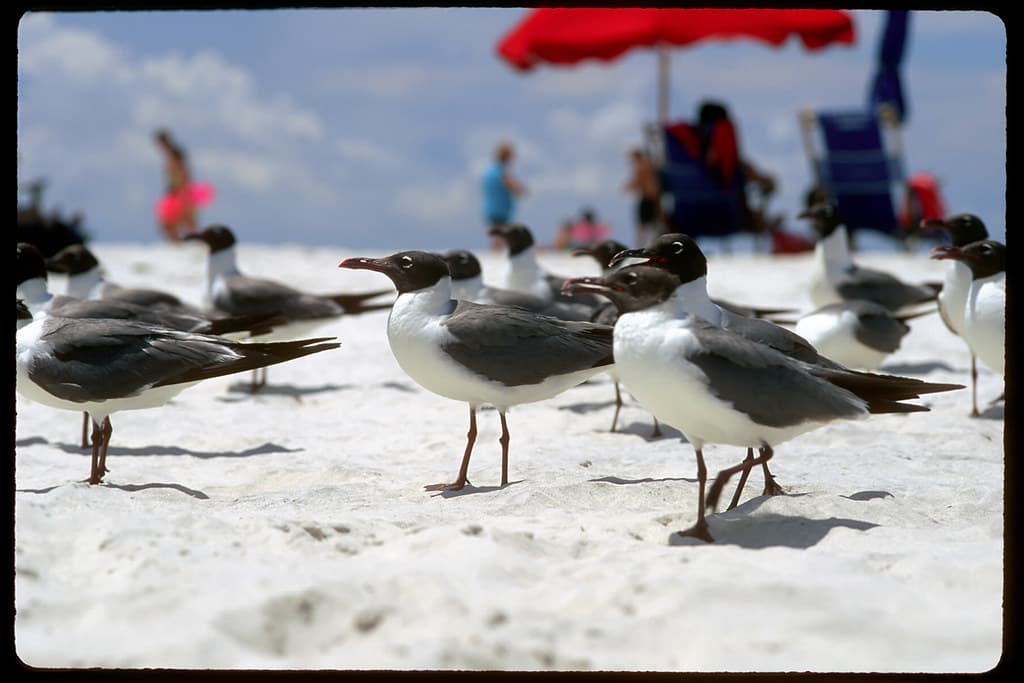
Biloxi Beach unfolds as the longest human-made beach in North America, a 26-mile ribbon of imported sand that runs parallel to Beach Boulevard. You won't find dramatic cliffs or crashing surf here—the Gulf laps gently at the shore, creating knee-deep shallows that extend fifty yards out at low tide. Kids chase fiddler crabs near the seawall while their parents claim spots under one of the many free shelters that dot the shoreline. The water stays warm from April through October, sometimes hitting bathwater temperatures by July.
“America's longest human-made beach where the shoreline lifestyle revolves around shrimping culture, not resort life.”
 Credit: Flickr
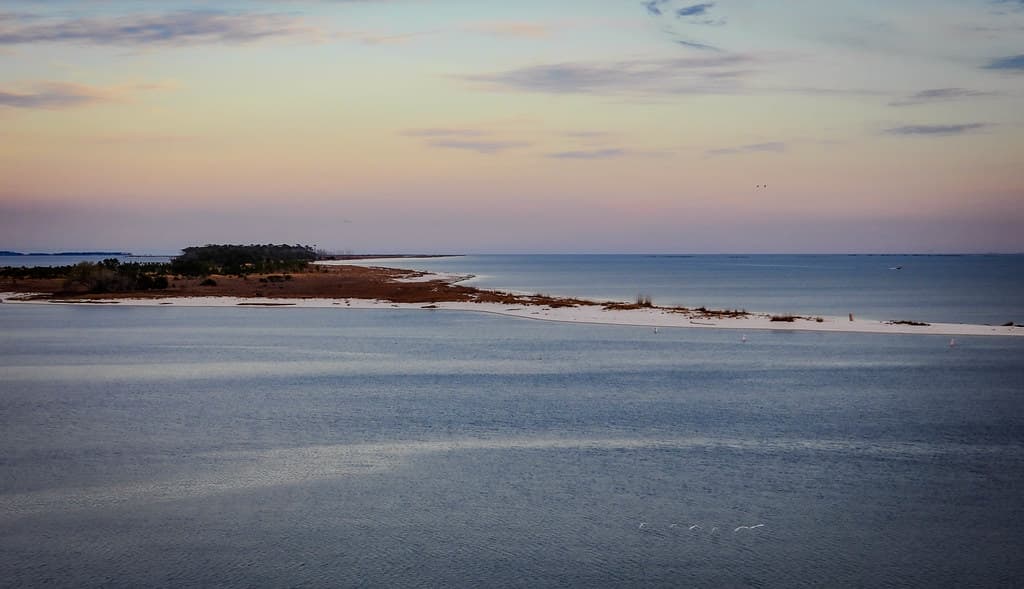
Deer Island II
The beach operates against a uniquely coastal-Mississippi backdrop: antebellum mansions and casino towers share the same skyline, and the smell of boiling shrimp mingles with salt air. You can walk or bike the entire length on a paved path that connects Biloxi to neighboring Gulfport, passing fishing piers where locals still drop lines at dawn. The sand itself tells a story of recovery—much of it placed after Hurricane Katrina rebuilt this coastline.
What you'll remember most is the un-precious nature of it all. Beach chairs lean against pickup trucks. Grandparents teach grandchildren to cast nets in the surf. The horizon stays flat and vast, interrupted only by the occasional cargo ship heading toward the ports. This is a beach made for repetition—the kind of place where families return to the same pavilion spot every Saturday morning without needing to stake a claim.


