
The sand at Biloxi Lighthouse Beach stretches in a slender ribbon between the two-lane coast highway and the bathwater Gulf, a skinny urban strip where joggers, anglers, and families claim their territory beneath the gaze of the 1848 cast-iron beacon. You'll hear the thrum of traffic behind you and shrimp boats puttering offshore, smell diesel mingling with salt air and fried seafood drifting from the casinos a few blocks inland. The water is shallow for a hundred yards out—silty, caramel-tinted, tepid enough that you'll wade in without hesitation even in October.
“One of the few urban American beaches where a 19th-century lighthouse stands within arm's reach of your towel, anchoring a coast rebuilt twice by hurricanes.”
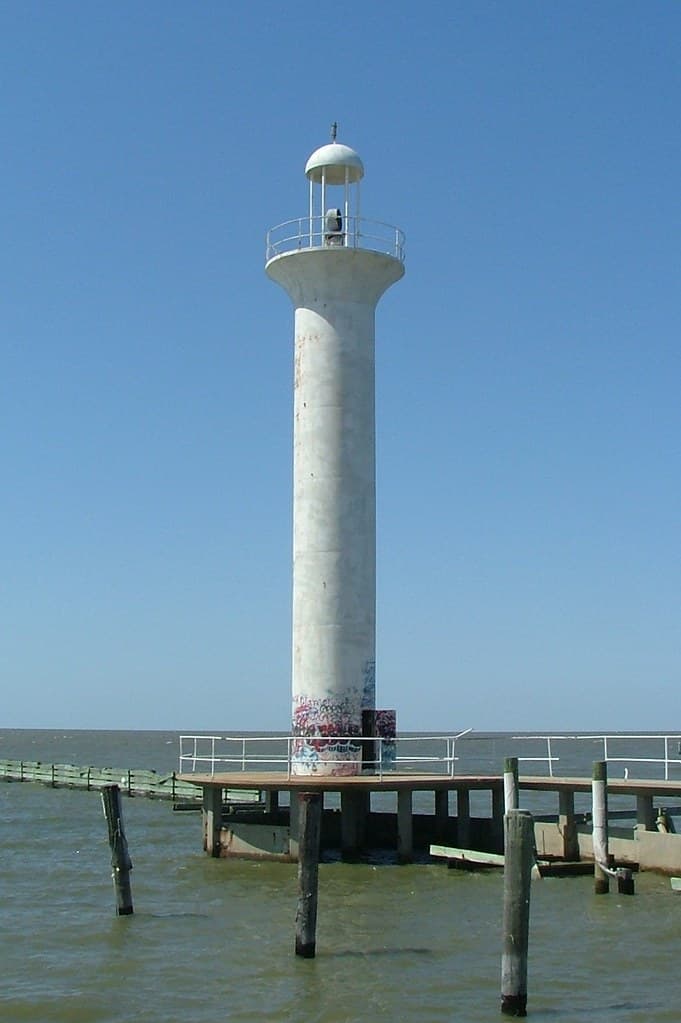 Credit: Flickr
Mississippi: Broadwater Beach Marina Light
This is not a postcard Gulf Coast; it's a working one. Seagulls squabble over crab traps, locals cast lines from the concrete seawall, and on weekends the narrow beach fills with coolers, beach chairs, and the low thrum of Zydeco from someone's Bluetooth speaker. Live oaks arch over the roadside, offering pockets of shade between the lighthouse and the string of souvenir shops and bait stands that dot the boulevard.
You come here not for solitude but for the peculiar charm of a beach that refuses to pretend it's anything other than what it is: a Gulf-front gathering place wedged between a highway and history, where the lighthouse has survived hurricanes, wars, and the relentless creep of casinos, still flashing its light over shrimpers and swimmers alike.


