
The boat ride from Ocean Springs takes twenty minutes, cutting across choppy green water until Horn Island's low silhouette sharpens into view—a ribbon of dunes topped with slash pines and scrub oak. You'll beach on the northern shore, where the Sound laps gently, or brave the Gulf side, where waves churn and sandbars shift with every storm. The sand here holds fragments of oyster shells, smooth bits of driftwood bleached gray, and the occasional whelk spiraling like an architect's sketch.
“It's the uninhabited wilderness retreat where one of America's great outsider artists lived alone to capture the Gulf Coast's untamed beauty.”
 Credit: Flickr
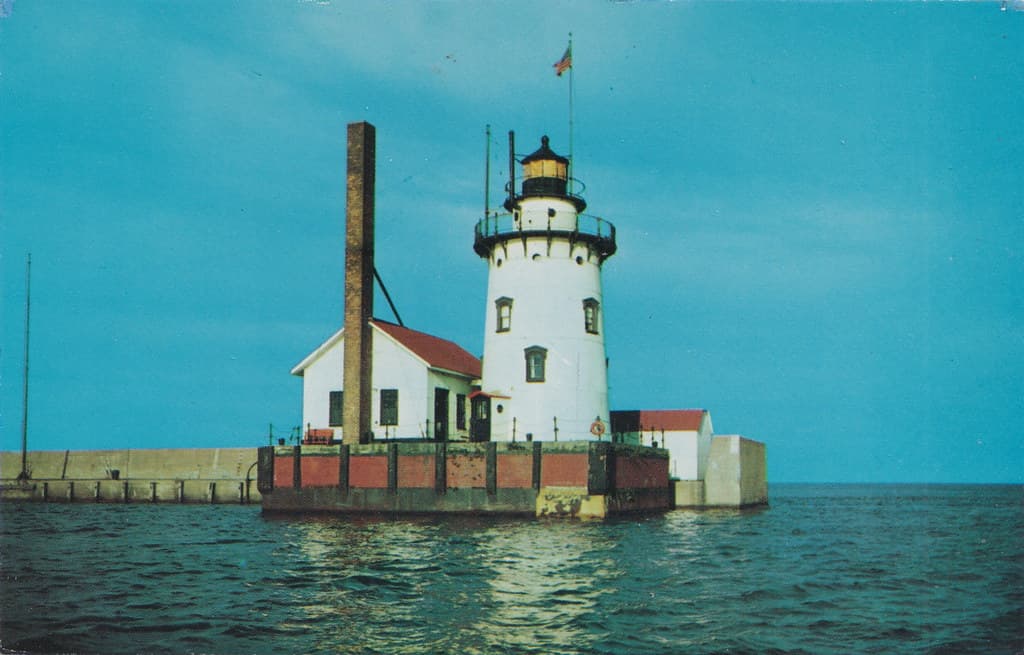
CEN Harbor Beach MI 1951 Cast Iron USCG Lighthouse andSteam Fired Fog Horn House built in 1885 & the USCG Coast Guard Station built on a foundation 300 yards offshore in 1935
Walter Anderson, the visionary painter, knew this island intimately. He rowed here alone in the 1940s and '50s, sometimes for weeks, sleeping under tarps and documenting herons, hurricanes, and the way light struck the water at dawn. His journals describe the island's moods—the stillness before a squall, the racket of laughing gulls at high tide. You'll feel that same solitude the moment the boat departs, leaving you with only the wind and the slow exhale of the Gulf.
Pack everything in waterproof bags: fresh water, sun protection, a tarp if you're camping overnight. There are no facilities, no concessions, no cell signal. The island operates on its own schedule, governed by tides and weather, indifferent to yours. When you return to Ocean Springs, you'll carry sand in your shoes and salt on your skin, proof that some beaches still demand more than they offer.


