
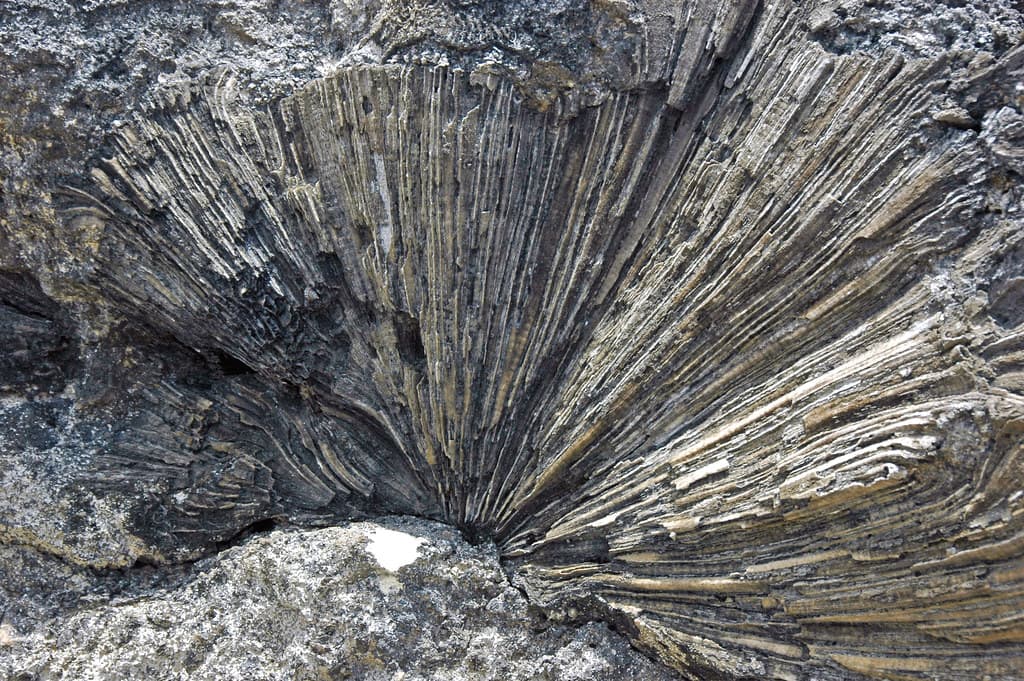
Adams Point juts into Great Bay like a naturalist's daydream, where the shoreline refuses to behave like an ocean beach. The water here is tidal and temperamental, advancing and retreating across mudflats that shimmer with ribbed mussels and periwinkles. Your children will crouch low, examining hermit crabs in tide pools while you scan the cordgrass for great blue herons standing motionless as driftwood.
“New Hampshire's only estuarine research reserve offers families tidal education you can touch, smell, and wade through.”
 Credit: Flickr
On the Shore
The Jackson Estuarine Laboratory anchors this peninsula, lending an educational gravity to every visit. Trails thread through white pine and red oak, emerging at rocky outcrops where you'll sit on sun-warmed granite and watch sailboats tack across the bay. The air smells of salt and decomposing seaweed—that rich, fertile scent of an ecosystem hard at work. Bring binoculars; harbor seals haul out on distant sandbars when the mood strikes.
This isn't a place for beach towels and sunscreen marathons. You come here to walk the shoreline at low tide, to teach your family the difference between a ribbed mussel and a blue mussel, to understand that New Hampshire's sliver of coast includes this brackish jewel where freshwater rivers meet the Atlantic's reach. Pack a field guide, wear boots that can handle mud, and leave the beach umbrella at home.


