
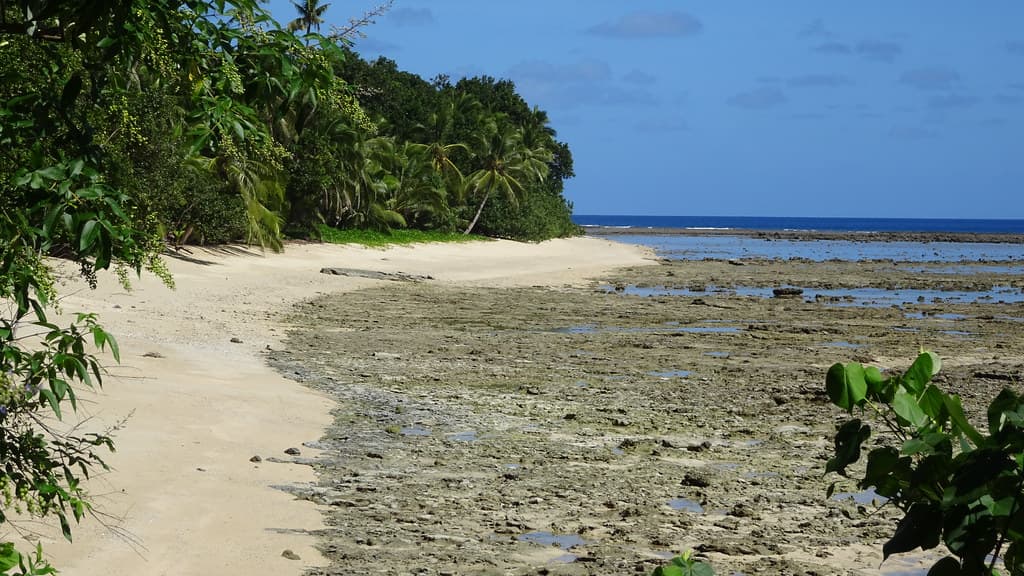
You park in the municipal lot where cars idle with tailgates down, coolers wedged between beach chairs, and grandparents applying zinc to wriggling grandchildren. The beach itself is intimate—narrow at high tide, broader when the Atlantic retreats to expose slick ledges studded with mussels and barnacles. Waves arrive in quick succession, chest-high on a good northeast swell, breaking over a rocky bottom that keeps the water bracingly cold even in August. The beachgoer next to you has been coming since 1974; her daughter now brings her own children to the same spot near the southern rocks.
“Wallis Sands distills the New England beach experience into two hundred yards of multi-generational ritual, where limited space breeds fierce loyalty.”
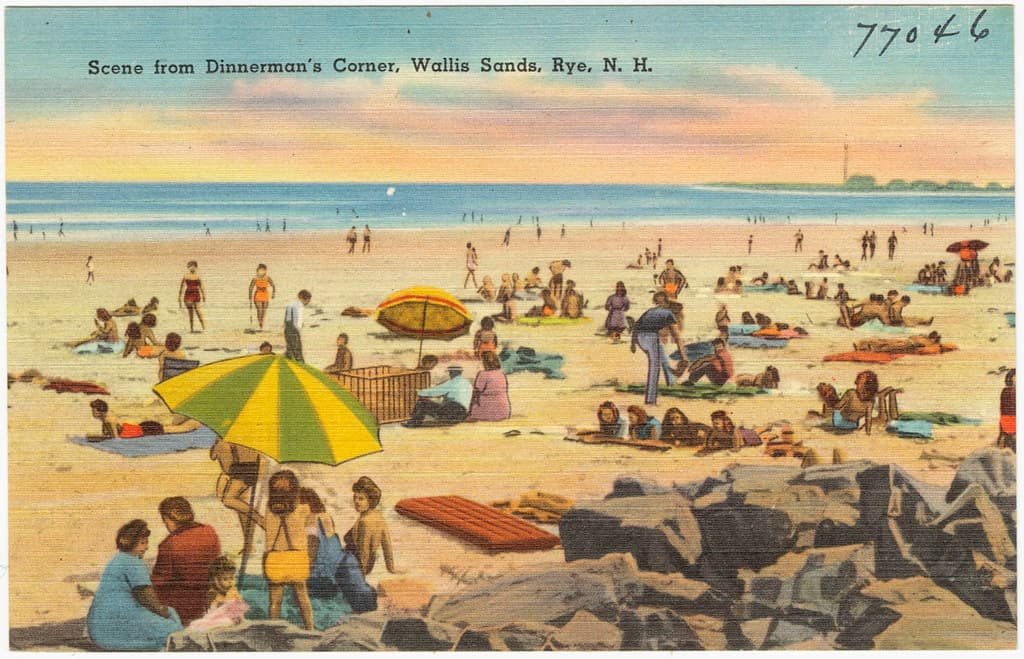 Credit: Flickr
Scene from Dinnerman's Corner, Wallis Sands, Rye, N.H.
Lifeguards patrol from late June through Labor Day, perched on wooden stands painted Coast Guard white. A cinderblock bathhouse offers cold-water showers and changing stalls that smell of Coppertone and damp towels. The snack bar dispenses soft-serve cones and fried clams, the kind of sustenance that tastes better with sand between your toes. Beyond the seawall, traffic hums along 1A, a reminder that wilderness is not the point here—accessibility is.
You'll notice the same families return year after year, staking territory by 9 a.m., their beach tags worn on lanyards like badges of belonging. The rocks at either end become playgrounds at low tide, revealing starfish the color of burnt orange and crabs scuttling beneath ribbons of kelp. This is not a beach for solitude; it's a beach for tradition, for teaching your children to read the waves the way your parents taught you.


