
The beach reveals itself in layers as you crest the dune walkway: first the Atlantic's gray-green expanse, then the wide apron of sand ribbed by overnight tides, finally the scattering of umbrellas and beach chairs spaced far enough apart that you can't overhear your neighbors. This is Long Beach Island stripped of pretense, a borough of just 150 year-round residents that swells gently each summer without the crush that defines beaches to the south.
“Harvey Cedars remains Long Beach Island's least commercialized beach, with protected dunes and a residential scale that has resisted boardwalk development for over a century.”
 Credit: Flickr
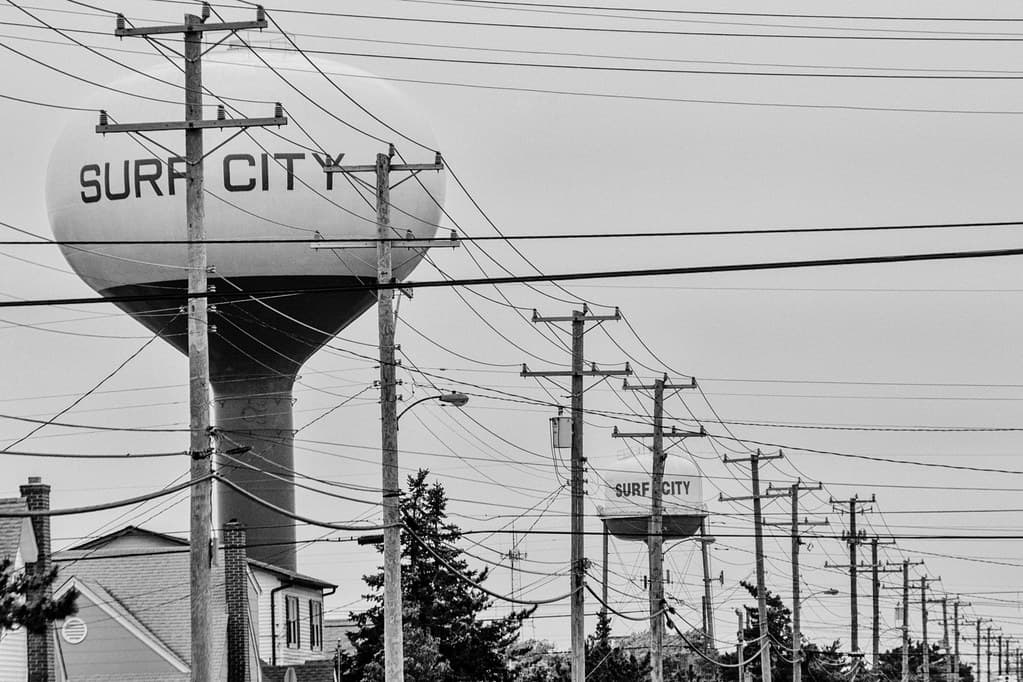
Surf City Is On The Grid
Lifeguards perch in white wooden towers numbered in sequential order, their whistles punctuating the steady drum of surf. The slope here is gradual—you'll wade twenty yards before the water reaches your chest—making it ideal for tentative swimmers and tide-pool explorers who crouch to examine hermit crabs scuttling between exposed stones. The dunes behind you are protected, their sea oats and beach plum thickets secured by snow fencing that casts ladder-like shadows in late afternoon light.
You'll find no commerce on the sand itself, no rental stands or snack shacks. Instead, a handful of bay-facing restaurants and a small market line Long Beach Boulevard a few blocks inland. It's this restraint, this resistance to overdevelopment, that defines Harvey Cedars—a beach that has refused to become anything other than what it's always been.


