
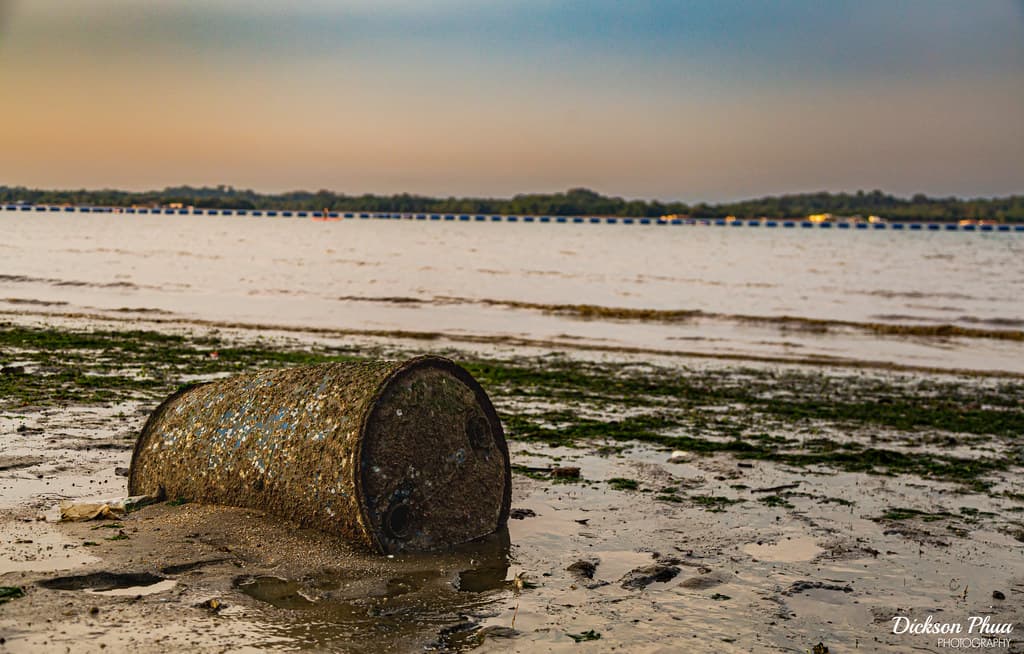
The nickname isn't on any map, but ask a Fire Island regular and they'll point you east of the Robert Moses bathhouses, past the last lifeguard stand, where the beach tapers into something wilder. You'll walk ten minutes from the nearest parking field, cooler handle digging into your palm, until the families thin out and the dunes grow shaggier. This is where the Atlantic stops performing for tourists and starts doing what it does best—rolling in with the kind of honest chop that keeps surfers checking dawn reports year-round.
“One of the few Atlantic-facing Long Island beaches where you can surf, watch sunset, and never see a snack bar.”
 Credit: Flickr
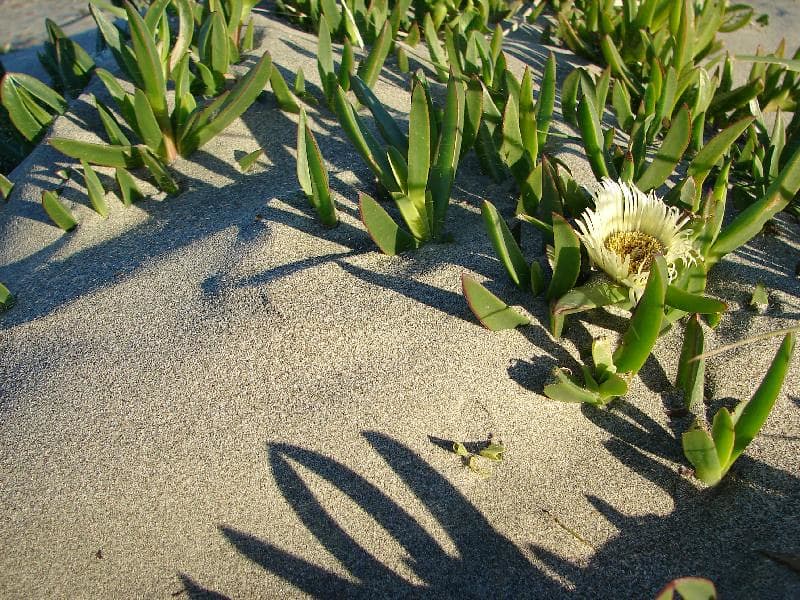
Evening Sand and Life
The break works best on a southwest swell, peeling left over a sandbar that shifts with nor'easters but holds its shape through summer. You'll see the same trucks in the lot before sunrise, board racks catching the pink light, thermoses of coffee wedged in cup holders. By afternoon the wind picks up and kiteboarders appear, their sails snapping against the salt air.
Evening is when the beach earns its keep. The sun drops straight into the water here, no boardwalk or high-rises to interrupt the geometry, just that clean line where sky meets ocean. Bring a blanket, not a chair. The sand still holds the day's warmth, and you'll want to feel it on your legs as the light turns the color of apricots, then burnt orange, then gone.


