
The fifteen-minute ferry from Sayville deposits you at a different Fire Island entirely—no summer house clusters, no party-town energy, just the Sunken Forest and a serious Atlantic beach that stretches in both directions with only gulls for company. You follow elevated wooden walkways over fragile dune grass, past groves of American holly twisted horizontal by salt wind, until the path opens onto a wide strand where waves hammer the shore with uninterrupted force.
“This national seashore beach remains roadless and wild while sitting within sight of America's largest metro area.”
 Credit: Flickr
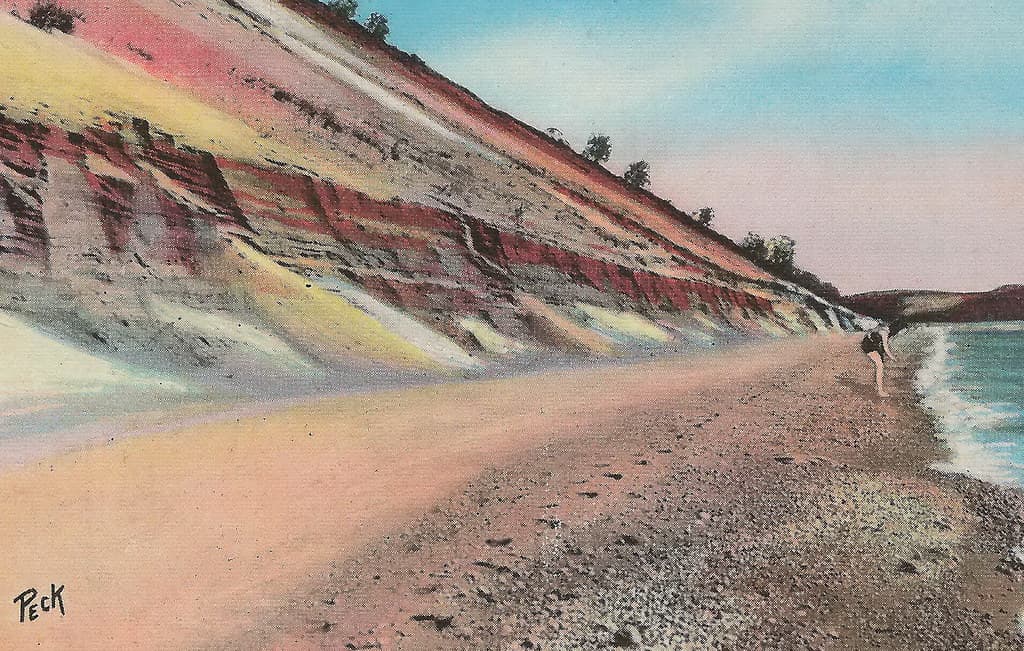
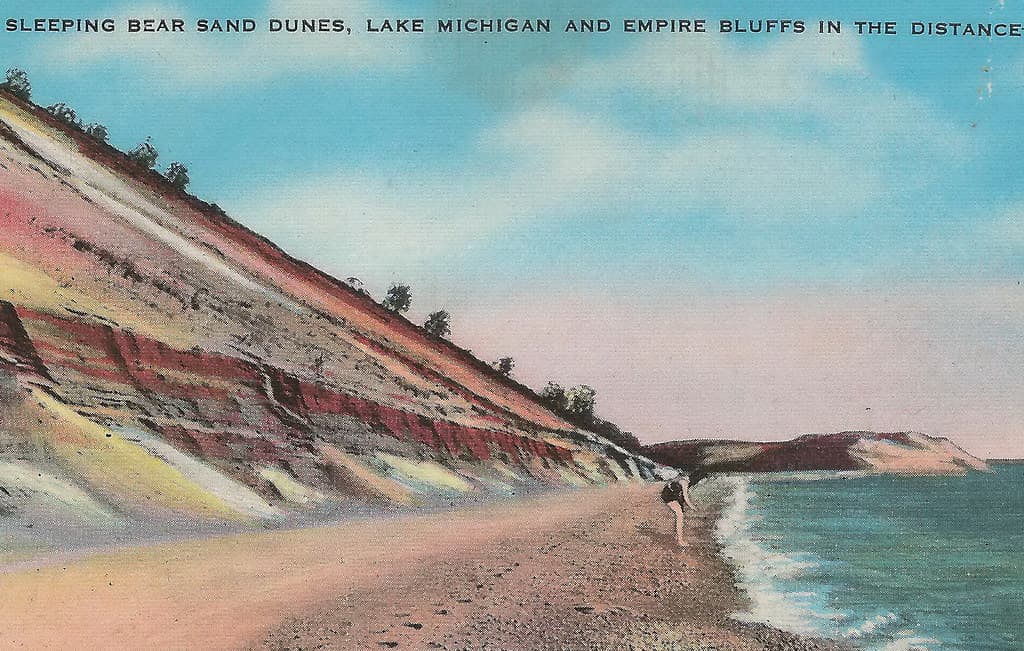
NW Leelanau Glen Haven Empire MI Circa 1920s Young Girl on Beach at Sleeping Bear Dunes Empire Sailors Landmark Empire Bluffs in distance Photographer PECK1
The national seashore designation means no development, no concession stands, just bathhouses and ranger-led walks through the maritime forest behind you. Families claim spots near the main access points while you wander east or west, watching oystercatchers probe the wrack line and sanderlings chase retreating foam. The water runs cold even in August, the undertow substantial enough to keep lifeguards alert and swimmers honest.
By late afternoon, the beach empties as day-trippers catch return ferries. You might stay for the violet hour when deer emerge from the forest to browse dune edges, or head back through shadowed trails where the temperature drops ten degrees under the canopy. Either way, you've found the Fire Island that existed before the scene arrived—just barrier island, ocean, and the particular silence that comes from being genuinely hard to reach.


