
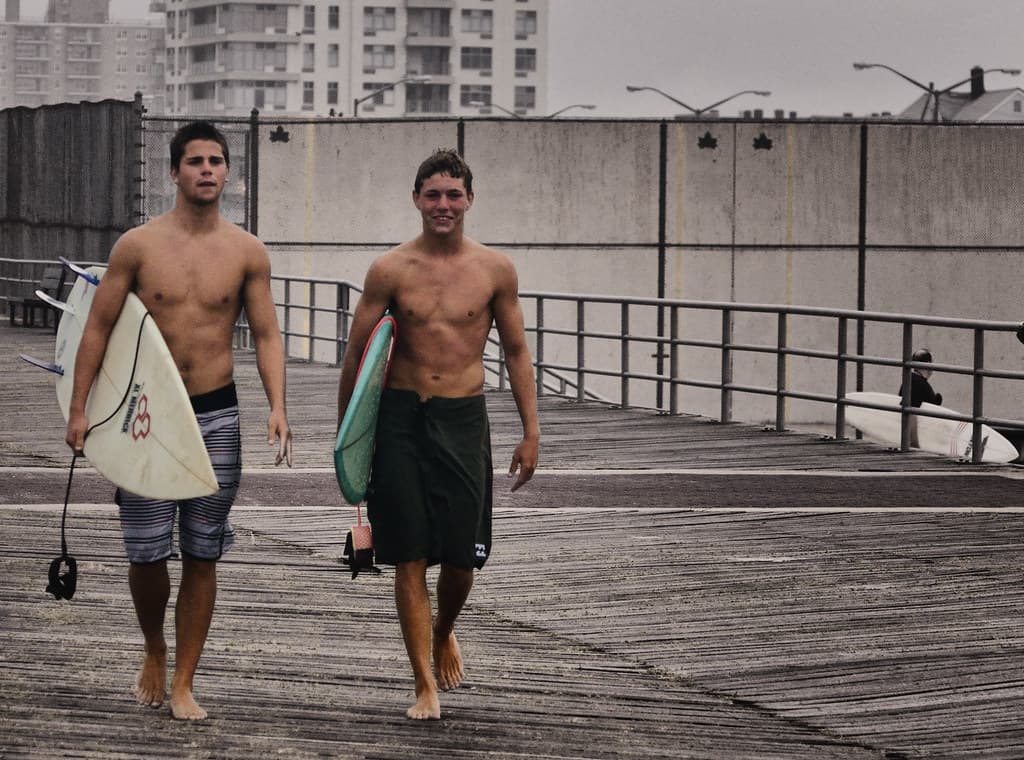
You step off the A train at Beach 25th Street and the brine hits you before you see the water. Far Rockaway Beach stretches along the Atlantic with an unvarnished honesty rare in New York City—no manicured dunes, no beach clubs with velvet ropes. The boardwalk here runs narrow and functional, lined with handball courts and the occasional taco truck, punctuated by access ramps that lead down to wide expanses of sand studded with seashells and the occasional horseshoe crab molting.
“An ungentrified Atlantic beach at the literal end of the subway line, where ocean wilderness meets urban grit without compromise.”
 Credit: Flickr
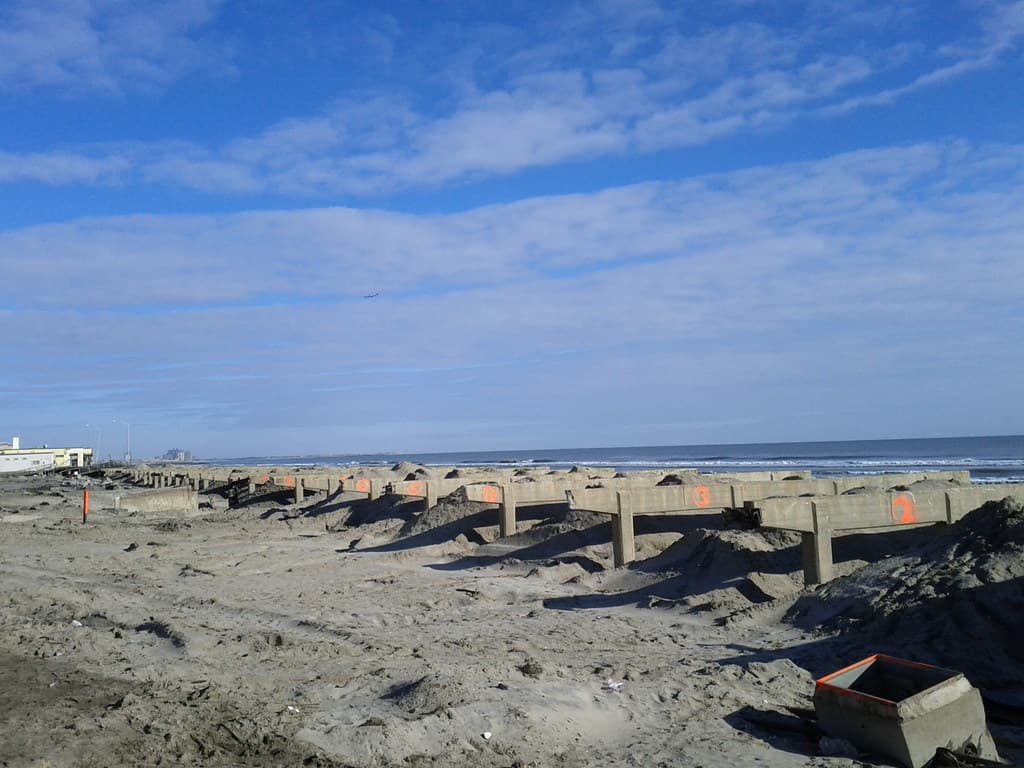
2012 Hurricane Sandy Response, USA
The surf rolls in with surprising force, Atlantic swells that build and break in ragged lines. Local surfers claim the early morning hours, their silhouettes dark against the pewter dawn, while by afternoon Dominican families erect canopy tents and unpack coolers. The beach faces due south, making sunset a sideways affair—the light goes amber and pink, silhouetting the distant towers of Brooklyn and casting long shadows across the tide line.
This is New York's working waterfront, a place where the city doesn't apologize for itself. The sand gets in everything. The water stays cold until July. Lifeguards blow their whistles with Queens accents, and when you look west, you can see planes descending toward JFK, their landing lights winking above the foam.


