
The trail drops you onto a narrow ribbon of beach where Lake Ontario meets one of the continent's most dramatic examples of active erosion. Above, the bluffs rise in improbable formations—chimneys, yes, but also hoodoos, fins, and gothic spires that shift with every storm. The clay bands tell a 10,000-year story in rust, ochre, and slate blue, each layer deposited when glacial Lake Iroquois retreated. You walk along wet sand scattered with shale fragments, smooth pebbles, and the occasional fossil from the Ordovician seabed.
“The bluffs reshape themselves continuously, ensuring the beach you walk today will look measurably different next season.”
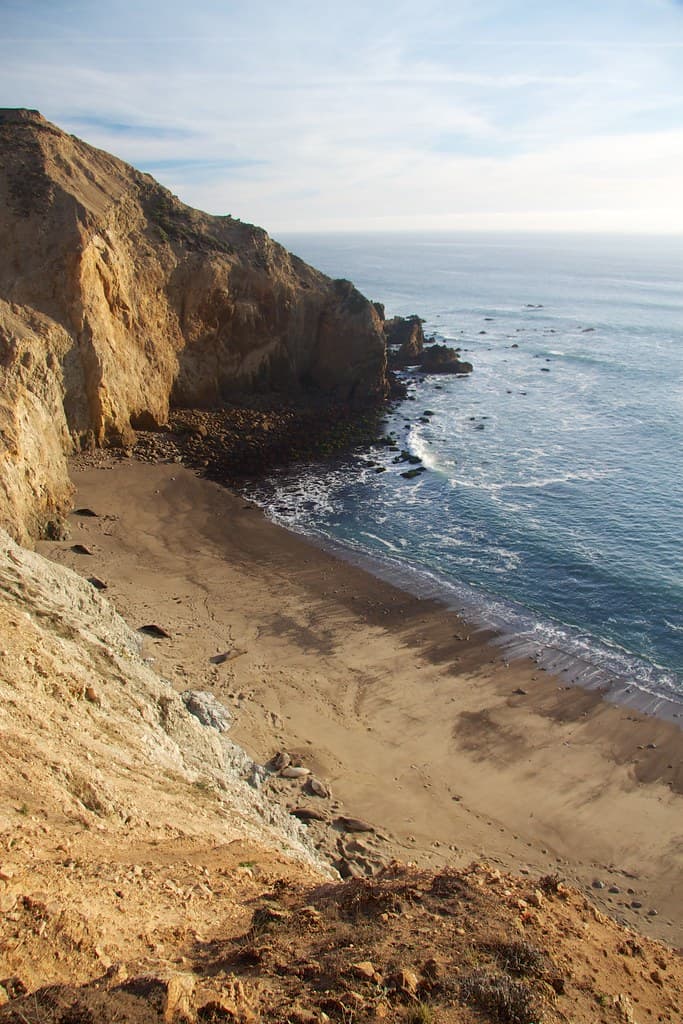 Credit: Flickr
Sea Lions
The shoreline changes with the season and the lake's mood. Spring runoff carves fresh gullies down the bluff face. Summer sun bakes the clay into temporary hardness. Autumn storms undercut the formations, sending tons of sediment sliding overnight. Winter ice sculpts the waterline into something lunar. You're witnessing geology in real time, not locked behind museum glass.
Sunset here unfolds horizontally, the sky igniting across the lake's western expanse while the bluffs catch fire in reflected light. The beach empties after day-hikers leave, and you can hear only waves, wind in the bluff-top oaks, and the occasional crumble of clay finding its way to the water. This is Lake Ontario stripped of boardwalks and lifeguard stands—raw, ephemeral, and utterly unconcerned with your camera.


