
The Cape Hatteras Lighthouse looms 200 feet above you as you cross the boardwalk, its spiral painted stark against salt-bleached sky. Below, Old Lighthouse Beach sprawls in both directions—a ribbon of coarse sand where the Gulf Stream collides with the Labrador Current, creating the treacherous Diamond Shoals that have claimed more than 600 ships. You feel the difference immediately: the water here is colder on your shins than beaches twenty miles north, the undertow insistent.
“This is where America's tallest brick lighthouse watches over the Graveyard of the Atlantic's most notorious shoals.”
 Credit: Flickr
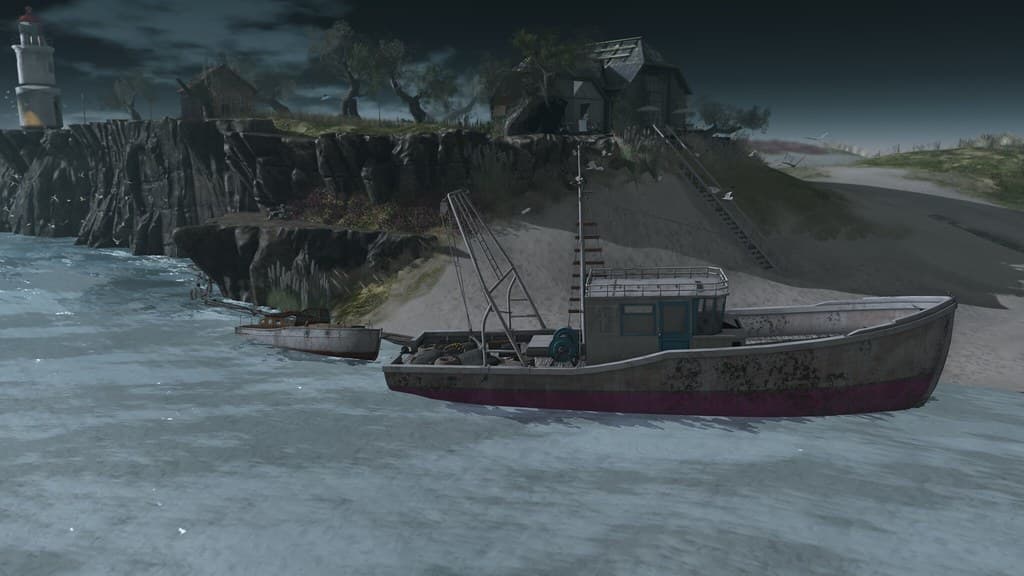
Abandoned Shoreline
Surfers dot the break even in January, their wetsuits slick as seals, reading swells that roll in from storms a thousand miles offshore. The beach itself changes shape with the seasons—Hurricane Season carves it narrow and steep, while summer calms let sandbars build offshore. Shorebirds work the wrack line at dawn, stabbing for coquinas, and by afternoon the anglers arrive with sand spikes and coolers, casting into the troughs.
You won't find cabanas or beach bars here. What you get instead: miles of National Seashore solitude, the lighthouse keeper's quarters turned museum, and that particular Outer Banks light—flat and enormous, turning the ocean pewter at dusk. The park service moved the lighthouse 2,900 feet inland in 1999, but the beach it guards remains as raw and shifty as when the first lightkeeper climbed those 257 steps.


