
The drive down Highway 12 deposits you at a pocket of Hatteras Island that refuses to perform. No boardwalk, no lifeguard stands—just a ribbon of sand hemmed by scrub oak and wax myrtle. Frisco Woods Beach earns its reputation through omission: what it lacks in infrastructure, it returns in solitude. The beach faces southeast, catching swells that rake the Carolina coast with surprising consistency, while the adjacent maritime forest filters wind into whispers.
“A rare Outer Banks beach where maritime forest grows dense enough to touch the high-tide line, creating microclimates of shelter and shade.”
 Credit: Flickr
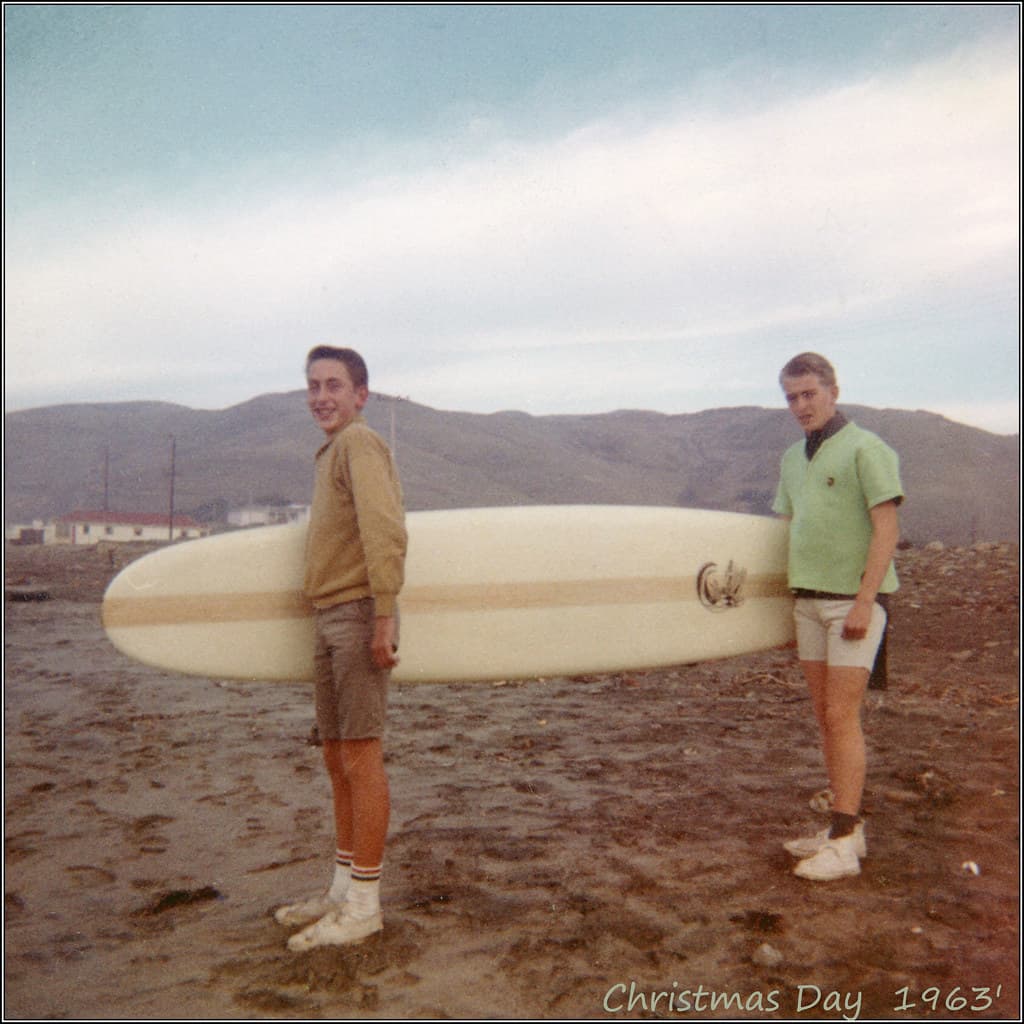
Mike n Geo surfing history
You'll wade into water that shifts from jade to gunmetal depending on the light, the temperature bracingly honest even in July. Shorebirds work the wrack line at dawn, and by midday the only soundtrack is the percussion of breakers and the occasional call of an osprey hunting the shallows. The sand here holds a faint rust tint—iron oxide from ancient riverbeds—that photographs warmer than the bleached expanses elsewhere on the Outer Banks.
Timing matters less than temperament. Winter storms carve the beach into new geometries, while summer settles it into a rhythm of steady sun and reliable southeast wind. The campground behind the dunes keeps visitation local and intentional, filtering out day-trippers who prefer their coastline with parking lots. This is a beach that rewards those willing to trade convenience for the particular pleasure of an shoreline that hasn't been styled for postcards.


