
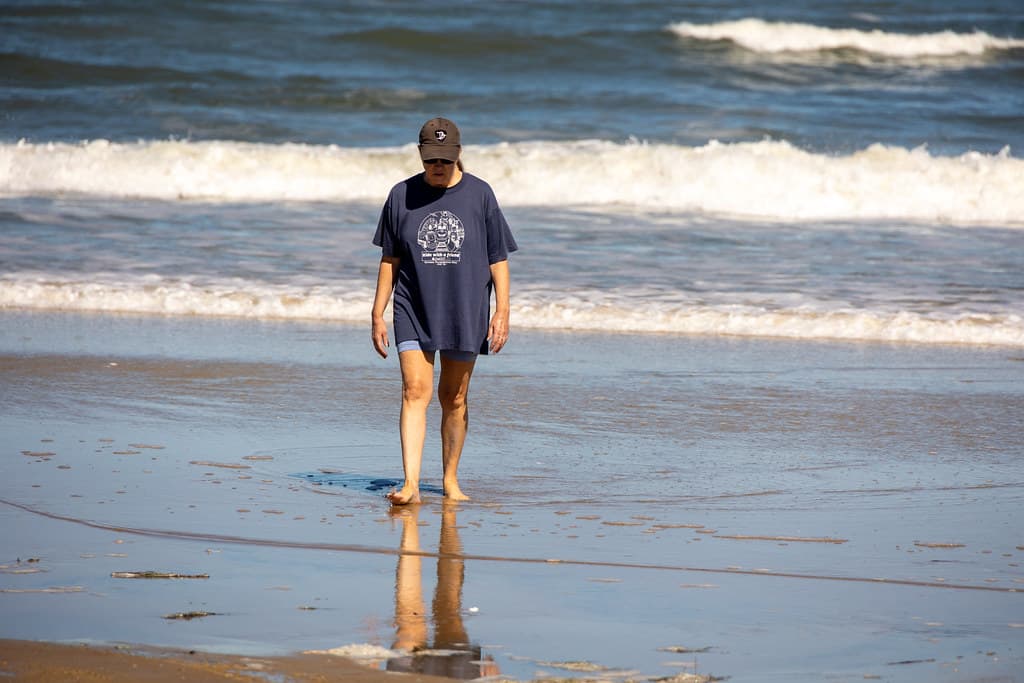
You step off the boat onto sand so fine it squeaks underfoot, the kind deposited grain by grain by tides that never rest. Hatteras Inlet Beach exists in a state of perpetual revision: storms carve new channels, currents build ephemeral dunes, and the spit stretches or shrinks with each lunar cycle. The Atlantic side delivers proper surf, white foam racing up slopes of tan sand studded with coquina shells worn smooth as river stones. Turn 180 degrees and Pamlico Sound spreads jade-green and flat, warm enough in summer to wade waist-deep without a shiver.
“This is one of the few Outer Banks beaches where the sandbar itself migrates visibly, meaning your landing spot this season may be underwater the next.”
 Credit: Flickr
Cape Hatteras National Seashore
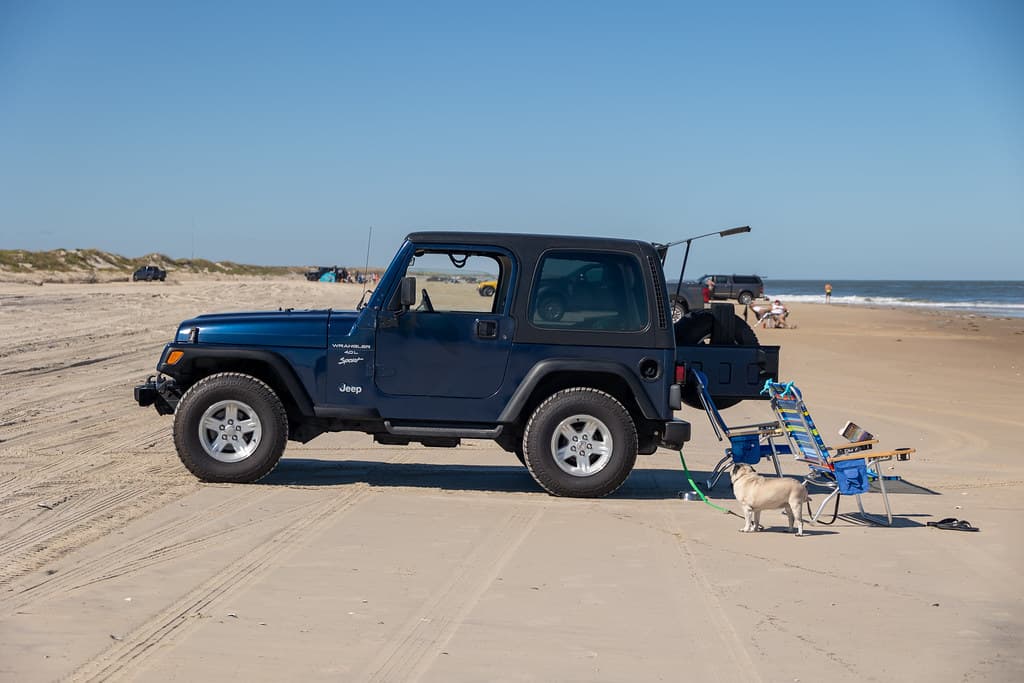
The isolation is the point. No beach umbrellas, no lifeguard towers, no couple arguing over whether to reapply sunscreen. Ospreys nest in the distance; ghost crabs scuttle sideways at your approach. Bring everything—water, shade, provisions—because the only infrastructure is what the tide delivers: driftwood silvered by salt, tangled fishing line, the occasional buoy in faded orange.
Captain Gary at Hatteras Harbor Marina knows the shoals and sandbars better than most people know their own driveways. Time your crossing with the tides; the inlet can turn vicious when wind opposes current. But arrive at the right hour, anchor in knee-deep water off the sound side, and you'll understand why anglers, birders, and solitude-seekers guard this place like a whispered secret.


