Counting the waves…
Counting the waves…
A refined fusion of water purity, environmental stability, and communal vibrancy for Ocracoke Beach.
View MethodologyAnalyzed via live sensors and environmental data.
Wave height, wind, and atmospheric stability.
Live footfall and crowd balance metrics.
Community reviews and curated sentiment.
“You'll disembark from the ferry onto an island where time moves slower and the shoreline stretches uninterrupted for miles. The sand here holds the fine, packed texture that squeaks beneath your bare feet, and the dunes…”
Limited recent visitor reports — live OBI telemetry is your best guide for current conditions.
The ferry ride from Hatteras sets the tone: forty minutes of open water, pelicans skimming the wake, salt air replacing whatever urgency you carried from the mainland. Ocracoke Island greets you with a single main road and sixteen miles of National Seashore beach that refuses to conform to commercial beach-town expectations. No high-rises puncture the horizon. No boardwalks interrupt the dunes. Just sand, sea oats bending in the breeze, and the kind of empty shoreline that makes you wonder if you've somehow missed the crowds.
The water here shifts mood depending on which coast you choose. Face east toward the Atlantic and you'll meet rolling surf and the occasional rip current that demands respect. Walk to the soundside and the Pamlico spreads shallow and calm, warm enough by July that you can wade out fifty yards and still touch bottom. The beach changes texture as you move along it—compact and dark where waves retreat, powdery white higher up where ghost crabs tunnel at dusk.
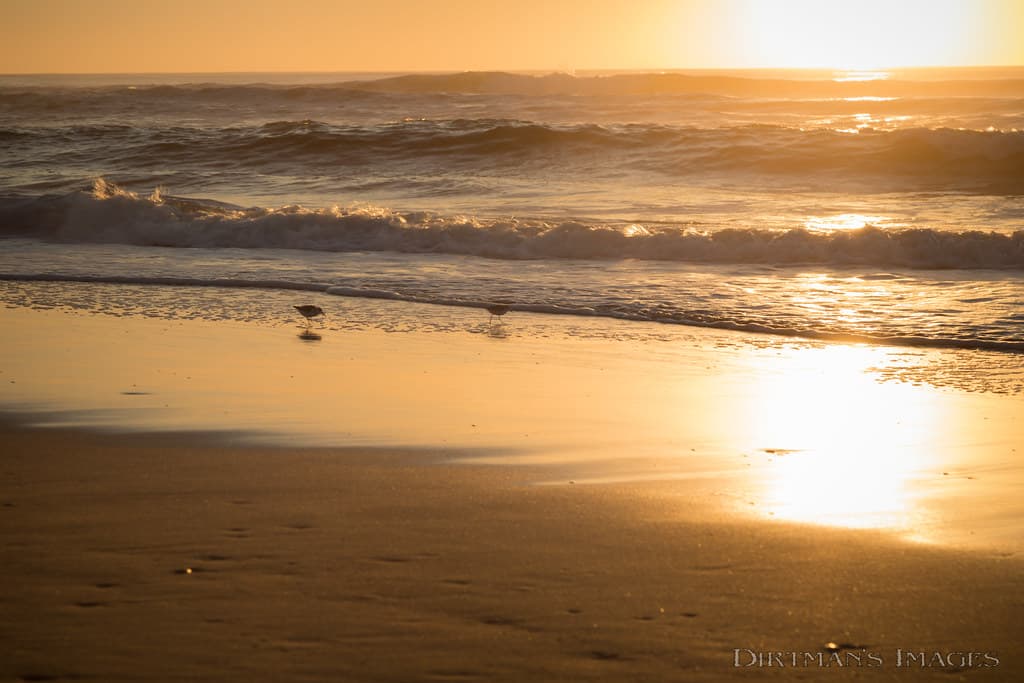
the sun is setting over the ocean with tall grass
a porcupine in grass
Warm shallows, soft sandy bottom
Uncrowded beach breaks, shifting sandbars
Empty shoreline, fishing boats passing
Where it is
Ocracoke Beach
Ocracoke, North Carolina, USA
35.113000°, -75.980000°
Weather
Loading…
Swell
—
Temp
Warm · Restorative
UV Index
Moderate
Wind
—
Tidal State
Last known
Max Sunlight
—
Ideal Shade
—
May - Sep (Peak)
Jan - Dec (Off-season)
Historical data suggests peak visibility and stable sea temperatures occur during the prime visitation window.
Select a category to load nearby places.
Unlock restaurants, luxury stays and curated maritime experiences within 2km
Ocracoke Beach is generally safe for swimming, with lifeguards stationed at the NPS beach access ramp near the campground during summer months (typically Memorial Day through Labor Day). The ocean conditions are typically calmer than northern Outer Banks beaches due to the island's positioning. However, always check for warning flags, as rip currents can occur. There are no lifeguards at other access points along the island's 16 miles of shoreline, so swim cautiously at unguarded beaches and never swim alone.
Ocracoke Beach is accessible year-round, with each season offering distinct advantages. Summer (June-August) provides warmest water temperatures and full services, but brings crowds and higher accommodation prices. Late spring (May) and early fall (September-October) offer pleasant weather, fewer visitors, and comfortable ocean temperatures. Winter months are ideal for solitude and beachcombing but require warmer clothing. Hurricane season runs June through November, with September being the peak month. Many island businesses close or reduce hours November through March.
Ocracoke Island is accessible only by ferry, private boat, or private plane. Free ferries run from Hatteras (one hour crossing, reservations recommended May-October) and Cedar Island or Swan Quarter (2.5 hours, reservations required, toll fees apply). Once on the island, NC Highway 12 runs 16 miles to Ocracoke village. Free public beach parking is available at numerous access ramps along the highway and near the village. The NPS day-use area near the campground has the largest parking lot with restrooms.
Ocracoke village offers diverse dining from casual seafood shacks to upscale restaurants, plus coffee shops and a grocery store for provisions. Lodging includes historic inns, bed-and-breakfasts, vacation rental homes, small hotels, and the National Park Service campground. Most accommodations and restaurants are in or near the village, about 13 miles from the Hatteras ferry dock. Book well in advance for summer stays, as the island has limited lodging capacity. Some establishments close during winter months, so check seasonal hours before visiting off-season.
Yes, off-road vehicle (ORV) driving is permitted on designated sections of Ocracoke Beach within Cape Hatteras National Seashore. You'll need a valid ORV permit (available online or at NPS offices), proper equipment including low-pressure tire gauge, and must follow all regulations. Beach driving is allowed on approximately 13 miles of beach, excluding the lifeguarded area near the ramp and seasonally protected bird nesting areas. Always check current ORV regulations and closures before your visit, as restrictions change based on wildlife protection needs.
Photos