
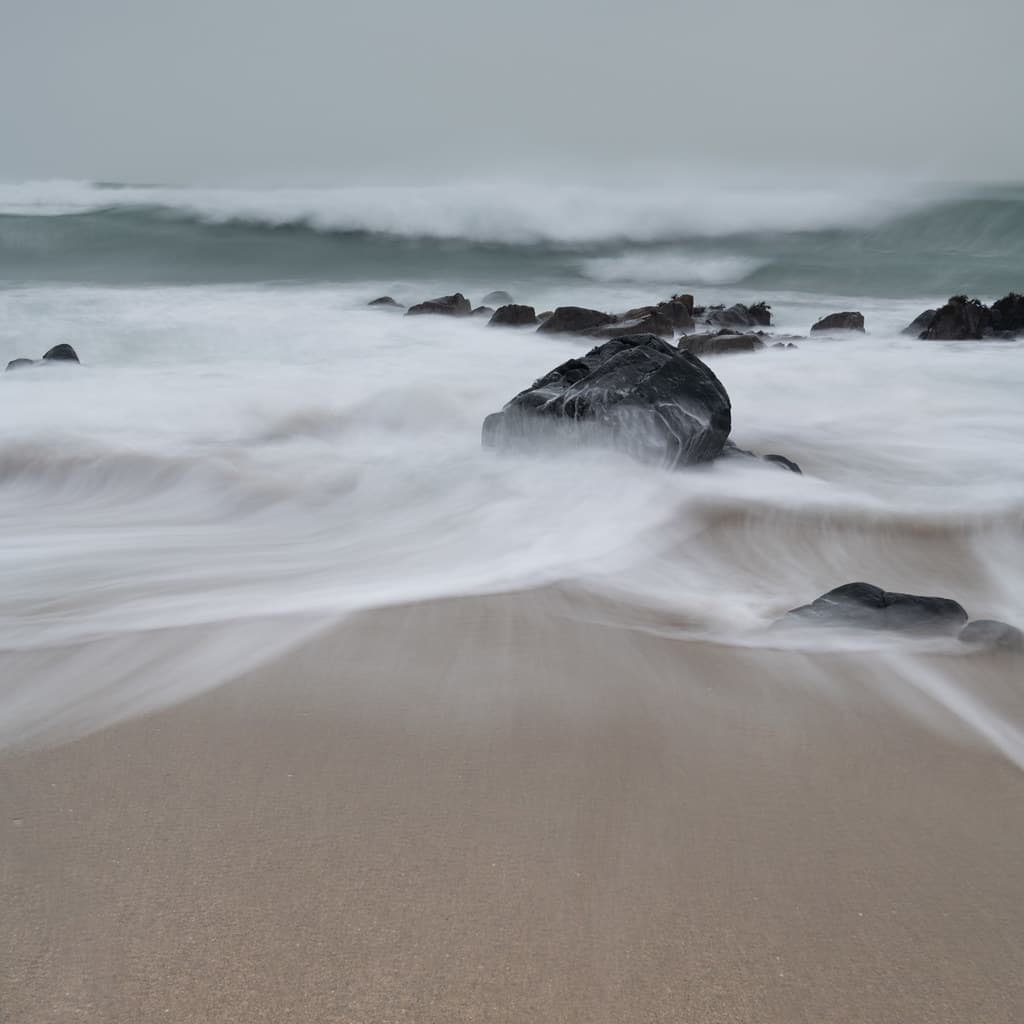
Harris Beach sprawls along Brookings' northern edge, where the coastline fractures into a maze of seastacks and tide pools. Goat Island—Oregon's largest offshore island—rises just beyond the breakers, a rookery for harbor seals and cormorants that wheel overhead in ragged formations. At low tide, you can walk among shallow basins where ochre stars and purple urchins cling to dark volcanic rock, the barnacles clicking as wavelets retreat.
“Goat Island's harbor seal colony provides year-round wildlife viewing closer than almost any other mainland beach on the Oregon coast.”
 Credit: Flickr
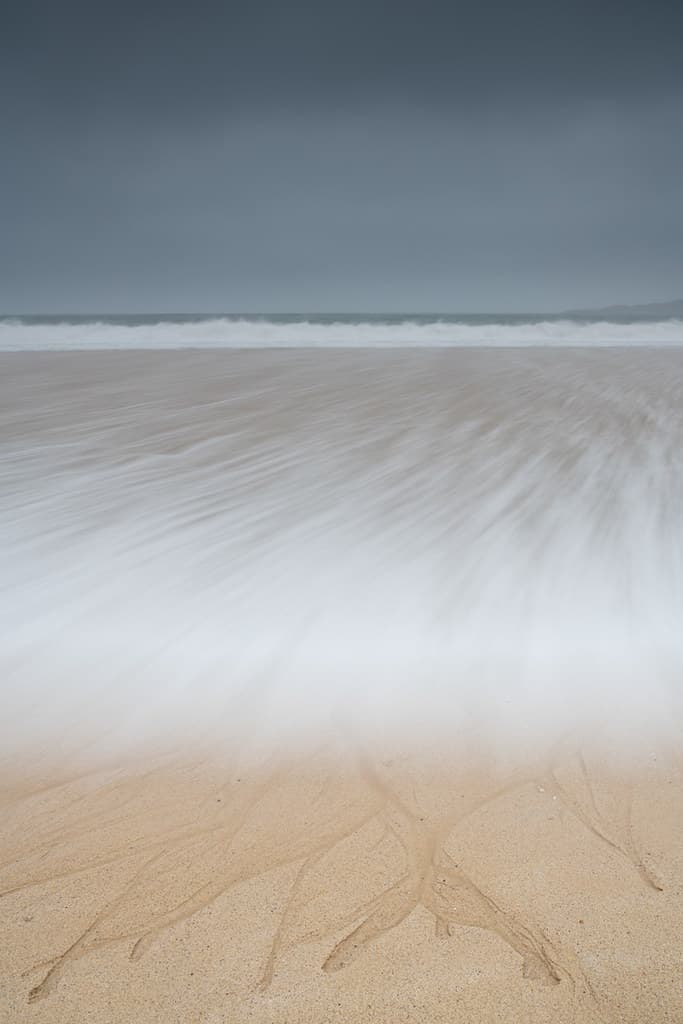
Patterns in the Sand
The beach itself runs from coarse sand to cobbles worn smooth by centuries of surf. Driftwood logs stripe the upper beach, bleached white and strewn like discarded matchsticks. To the north, Bird Island juts from the water, guano-streaked and noisy with nesting seabirds in spring. The headlands frame every view, their slopes thick with shore pine and wind-pruned spruce that lean away from the relentless ocean winds.
Brookings sits in Oregon's "Chetco Effect" microclimate, where offshore winds sometimes push temperatures twenty degrees warmer than beaches a few miles north. You'll notice the difference in the vegetation: Monterey cypress and even the occasional palm tree thrive in Samuel H. Boardman State Scenic Corridor just up the coast. Come winter, storm-watchers park in the upper lot to watch forty-foot swells detonate against the seastacks, sending plumes of spray high enough to taste the salt from your car.


