
Counting the waves…
Counting the waves…
A refined fusion of water purity, environmental stability, and communal vibrancy for Meyers Beach.
View MethodologyAnalyzed via live sensors and environmental data.
Wave height, wind, and atmospheric stability.
Live footfall and crowd balance metrics.
Community reviews and curated sentiment.
“You'll find Meyers Beach tucked between towering sea stacks just north of the Rogue River's mouth, where cold Pacific breezes carry the scent of bull kelp and wet sand. The shoreline stretches wide at low tide,…”
Limited recent visitor reports — live OBI telemetry is your best guide for current conditions.
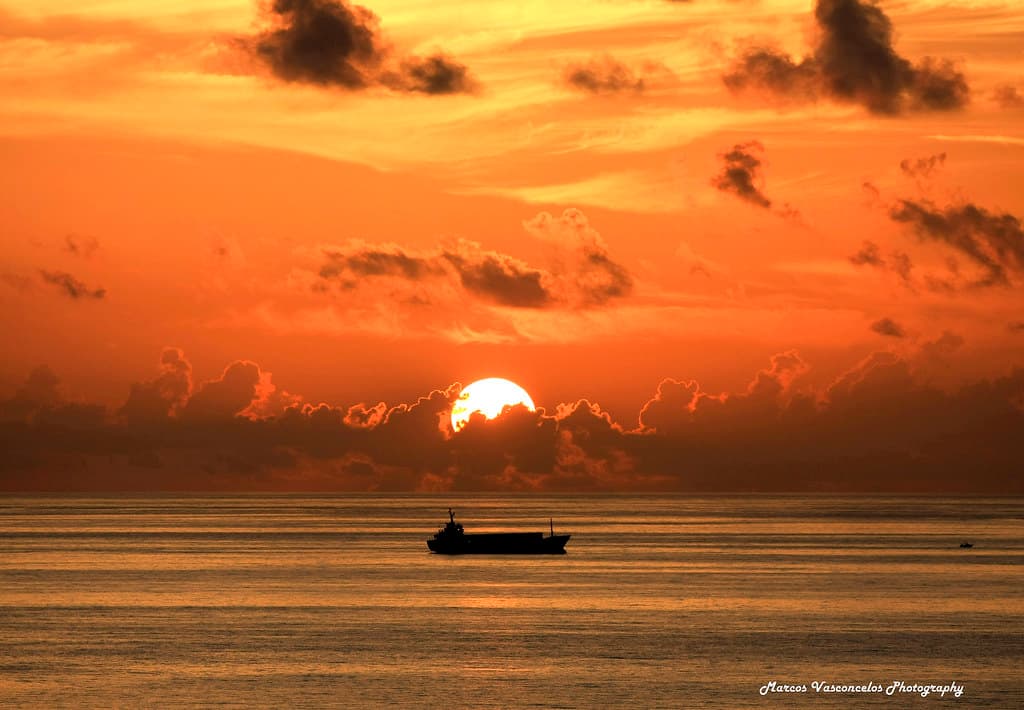
Meyers Beach unfolds beneath ochre cliffs that glow amber in late afternoon light, their faces streaked with iron oxide and draped in salal. Driftwood logs—some thick as telephone poles, bleached bone-white by sun and salt—lie scattered across the upper beach like giant's pick-up sticks. You'll walk on sand that shifts from powdery gray to dark, compacted hardpan as you approach the waterline, where foam hisses and retreats with metronomic rhythm.
The beach takes its character from the restless Oregon coast: one hour brings slanting rain and gunmetal skies, the next reveals sudden blue gaps where gulls wheel and cry. Sea stacks punctuate the vista north and south, their bases furred with mussels and barnacles. In winter, storm waves carve vertical faces into the beach, exposing layers of sand like geological time.
Morning light hits northern formations
Massive logs scattered at high-tide line
Check tables before visiting rocks
Where it is
Meyers Beach
Gold Beach, Oregon, USA
42.399700°, -124.421600°
Weather
Loading…
Swell
—
Temp
Warm · Restorative
UV Index
Moderate
Wind
—
Tidal State
Last known
Max Sunlight
—
Ideal Shade
—
May - Sep (Peak)
Jan - Dec (Off-season)
Historical data suggests peak visibility and stable sea temperatures occur during the prime visitation window.
Select a category to load nearby places.
Unlock restaurants, luxury stays and curated maritime experiences within 2km
Swimming at Meyers Beach is generally not recommended due to strong Pacific currents, cold water temperatures, and unpredictable waves typical of the Oregon coast. The beach is better suited for beachcombing, tide pooling, and scenic walks. If you do wade, stay close to shore and never turn your back on the ocean, as sneaker waves can occur without warning. Always supervise children closely. The beach is excellent for photography and enjoying coastal views rather than water activities.
Meyers Beach offers year-round beauty, though each season provides different experiences. Summer (June-September) brings the warmest and driest weather, ideal for beachcombing and photography. Winter and spring offer dramatic storm watching and fewer crowds, though expect rain and wind. Low tide periods are best for exploring tide pools and rock formations. Mornings typically have calmer conditions and better lighting for photos. Check tide tables before visiting, as the beach's character changes significantly between high and low tides.
Meyers Beach is located just north of Gold Beach along Highway 101. Look for the small parking area and trailhead sign on the ocean side of the highway, approximately 2 miles north of Gold Beach. Parking is limited to a small pullout area that accommodates several vehicles. A short, moderately steep trail leads down to the beach. The access can be slippery when wet, so wear appropriate footwear. Arrive early during summer weekends to secure parking.
Meyers Beach has no on-site facilities or amenities. The nearby town of Gold Beach, just 2 miles south, offers numerous restaurants, hotels, vacation rentals, and services. You'll find everything from casual seafood spots to fine dining, plus grocery stores and gas stations. Plan ahead and use facilities in Gold Beach before visiting the beach. Several oceanfront lodges and motels in Gold Beach provide convenient bases for exploring Meyers Beach and other coastal attractions in the area.
Meyers Beach is renowned for its dramatic coastal rock formations and scenic headlands that create stunning photographic opportunities. The beach features distinctive sea stacks and rocky outcroppings that are particularly striking at sunset. During low tide, visitors can explore tide pools teeming with marine life and walk among the rocks. The relatively compact size and protected location make it feel more intimate than larger Oregon beaches, offering a quieter, more secluded coastal experience while still being easily accessible from Highway 101.