

The tunnel itself is narrow—just wide enough for two people to pass shoulder-to-shoulder—and dark enough that you'll want your phone flashlight for the fifty-foot walk through solid rock. When you emerge on the other side, the Pacific opens before you in a crescent cove framed by towering basalt formations worn smooth by millennia of wave action. Driftwood logs the size of small cars cluster near the high-tide line, bleached silver by salt and sun.
“The 1910 hand-carved tunnel is the only public pedestrian passage through coastal bedrock on the entire Oregon Coast.”
 Credit: Pexels
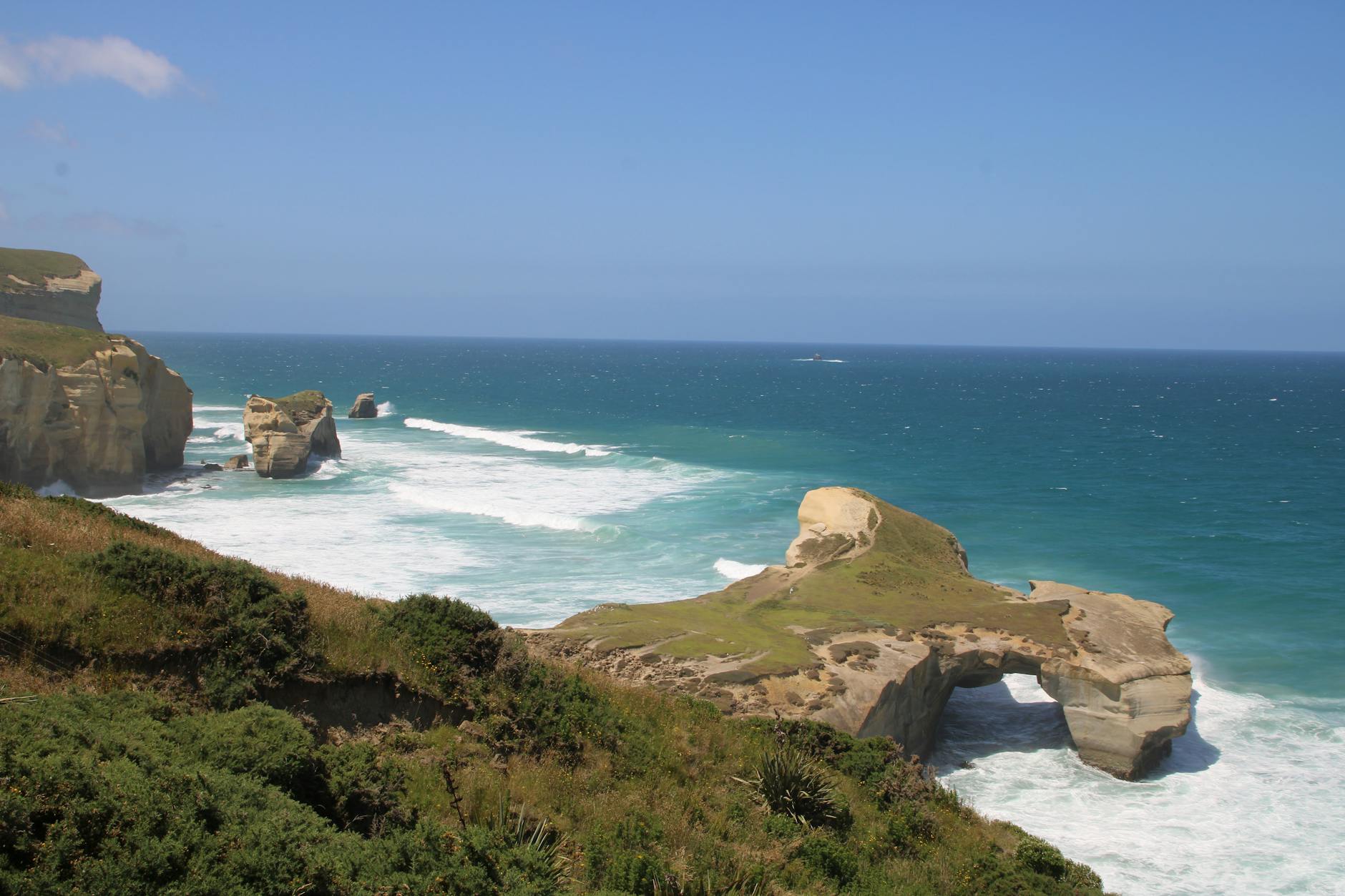
Tunnel Beach — photo by Rene Sandager
Low tide reveals tide pools teeming with ochre stars and purple urchins, while harbor seals often haul out on the offshore rocks to the north. The beach collects agates after winter storms, and beachcombers crouch among the pebbles searching for translucent orange and amber stones no bigger than a thumbnail. Sneaker waves are common here—the kind that race up the sand without warning—so keep your eyes on the water and your valuables dry.
The hike down from the roadside parking area takes ten minutes on a steep dirt trail that turns to mud after rain. Wear boots with grip. In summer, salal and salmonberry bushes crowd the path; in winter, you'll have skeletal branches and wider views of Tillamook Head to the south. Come prepared for wind regardless of season—it funnels through the tunnel with enough force to steal hats and tousle even the most carefully styled hair.


