
Clatsop Spit curves along the mouth of the Columbia River like a sculptor's bold stroke, dividing one of North America's great waterways from the open Pacific. You'll walk beaches littered with ship timber and fishing floats, remnants of the treacherous bar that's claimed more than two thousand vessels since the 1790s. The sand here is pewter-dark and firm underfoot, packed by relentless winter storms that rearrange the shoreline each season.
“This is the only Pacific Northwest beach where you can stand between river and ocean currents, watching tugboats and cargo ships pass within a hundred yards of breaking surf.”
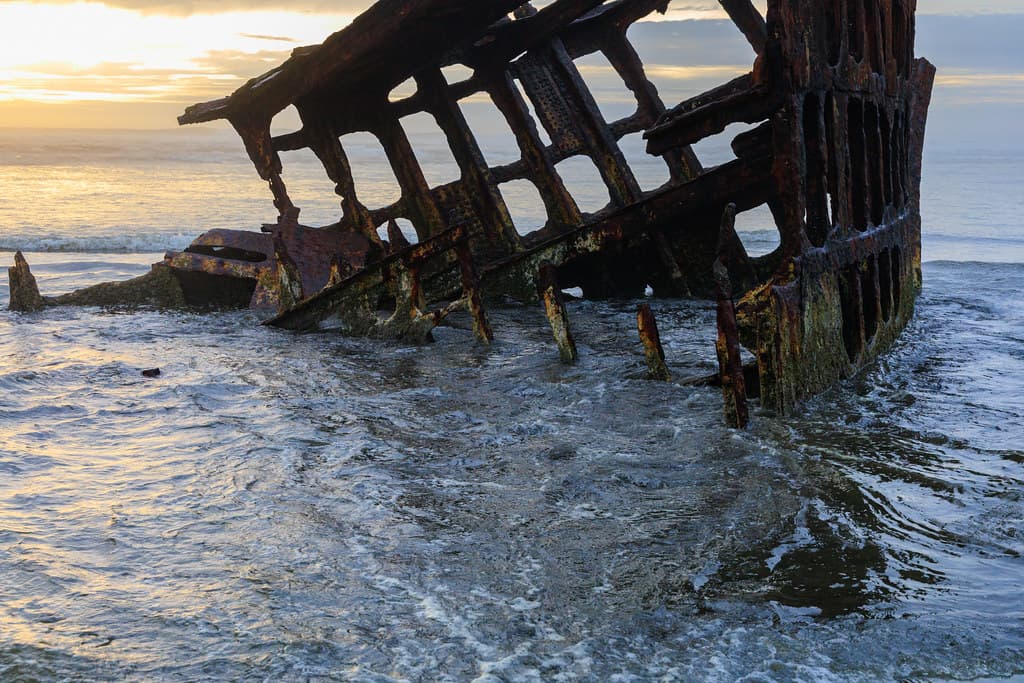 Credit: Flickr
Rising Tides
The South Jetty extends nearly two miles into the Columbia's current, its massive basalt blocks green with algae and barnacles. Watch container ships navigate the channel while oystercatchers probe the rocks and Caspian terns dive for smelt. On clear days, the view stretches from Tillamook Head to Cape Disappointment, with the red-roofed Coast Guard station marking where Lewis and Clark first glimpsed the Pacific in 1805.
Few beachgoers venture this far north, leaving you with mile-long solitude broken only by surf fishermen casting for perch and the occasional clammer working the tide pools. Wear layers—the wind off the river mouth cuts through cotton, and fog can roll in within minutes, erasing the jetty and transforming the spit into a private kingdom of mist and breaking waves.


