
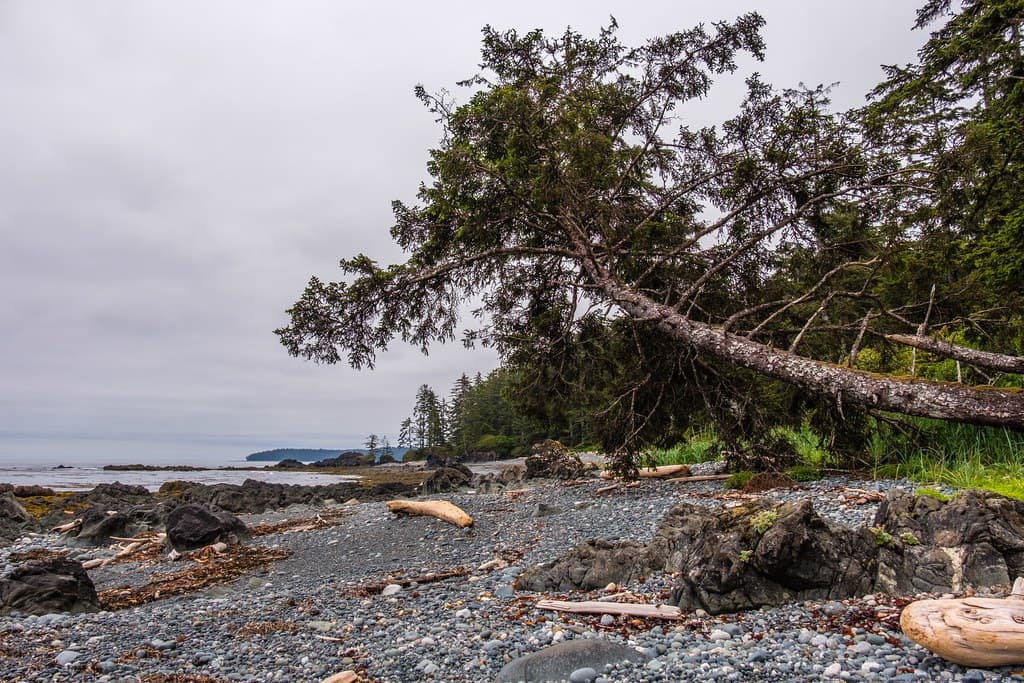
North Spit Beach unfurls along the northern edge of Winchester Bay, a slender finger of sand pinched between the Umpqua River's delta and the open Pacific. You'll arrive via the Salmon Harbor Marina road, winding past crab shacks and commercial fishing docks before the pavement ends at sand. The beach itself runs for miles—flat, wide, and often deserted—bordered inland by grassy dunes that hiss in the relentless coastal wind. Driftwood accumulates here in enormous silver tangles, bleached trunks stacked like prehistoric bones, offering the only shelter from the breeze.
“One of the few Oregon coast beaches where river delta and open ocean collide, creating a shifting landscape that rewrites itself with every tide.”
 Credit: Flickr
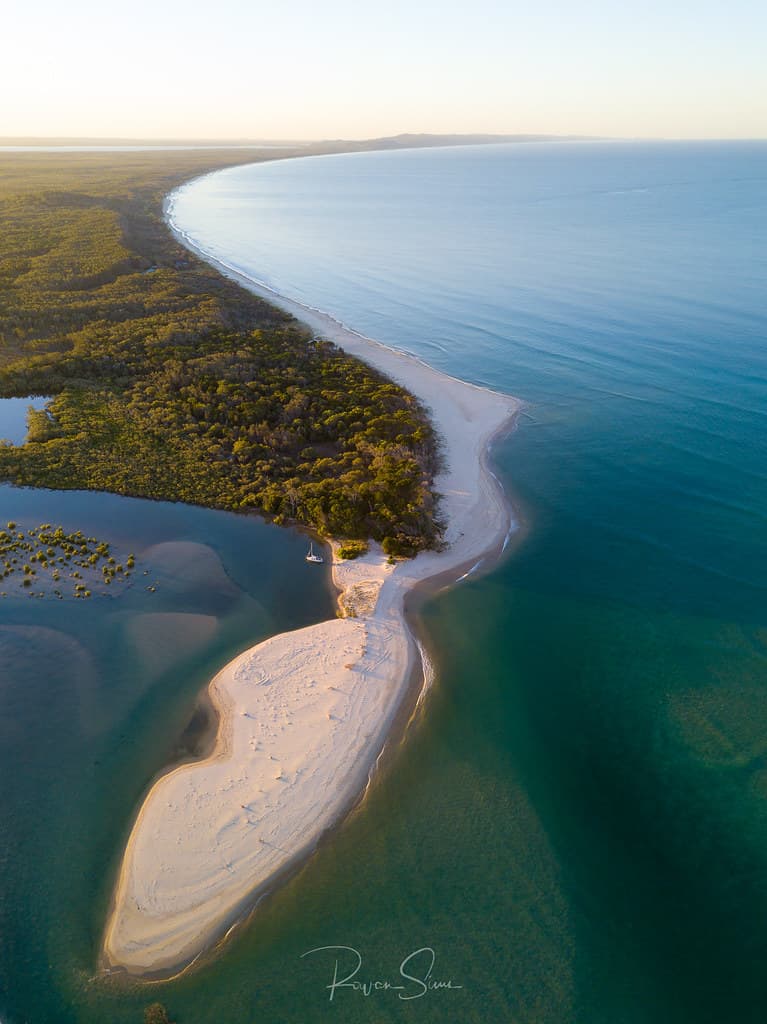
Noosa North Shore
The Umpqua's outflow stains the surf tea-brown near the jetty, where anglers cast for striped bass and the occasional seal pops up to investigate the current. Walk south and the sand firms up, studded with razor clam shells and the occasional sand dollar. Offshore, shipping vessels glide past the mouth of the bay, their foghorns echoing across the flats. The horizon stays empty of development—just dunes, sea oats bending low, and the occasional beachcomber with a bag of agates.
Come at dawn when the light turns the wet sand into hammered copper, or late afternoon when storm systems roll in from the northwest, darkening the sky to slate. This isn't a beach for sunbathing or Instagram backdrops. It's a place to feel small against the elements, to walk until your calves ache, and to understand why Oregon's coast keeps its secrets so well.


