
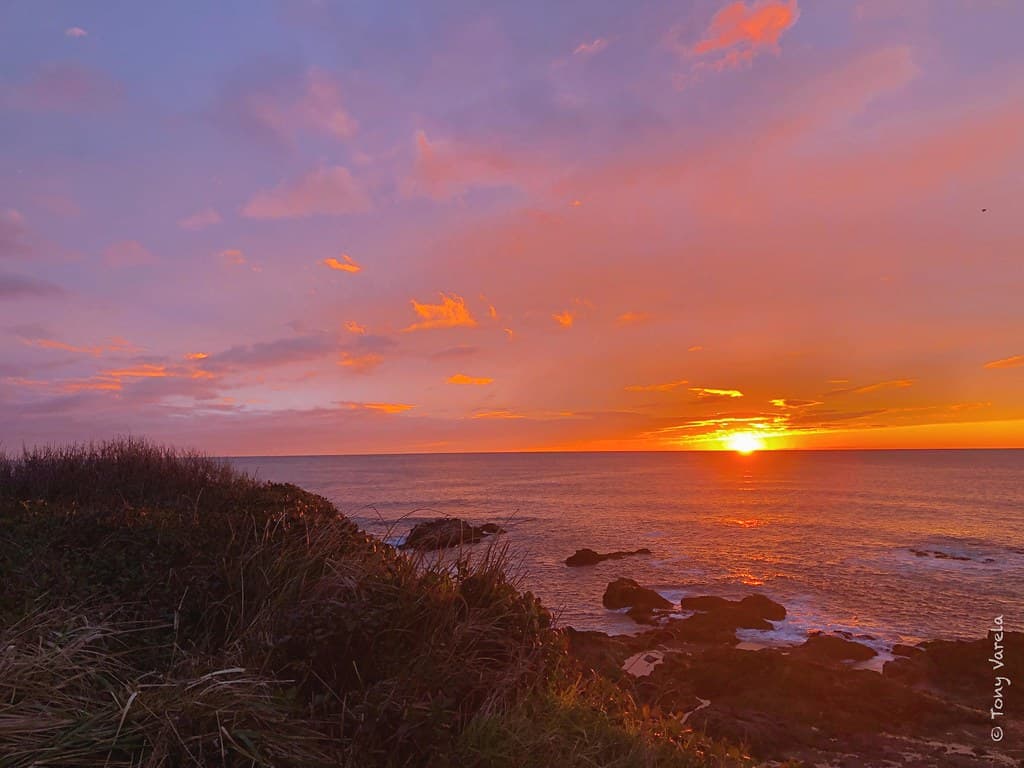
The smell of salt and kelp hits you first, then the roar—not the gentle hush of sand beaches, but the percussion of waves slamming basalt shelves that jut into the surf like broken vertebrae. Yachats Beach sprawls north and south of the village, its dark volcanic platforms slick with algae and alive with tide pool galaxies: purple urchins wedged in crevices, hermit crabs scuttling between rockweed fronds, anemones retracting their tentacles at your shadow.
“Ancient basalt formations create a living intertidal laboratory where storm-watching becomes spectator sport and tide pooling rivals any aquarium.”
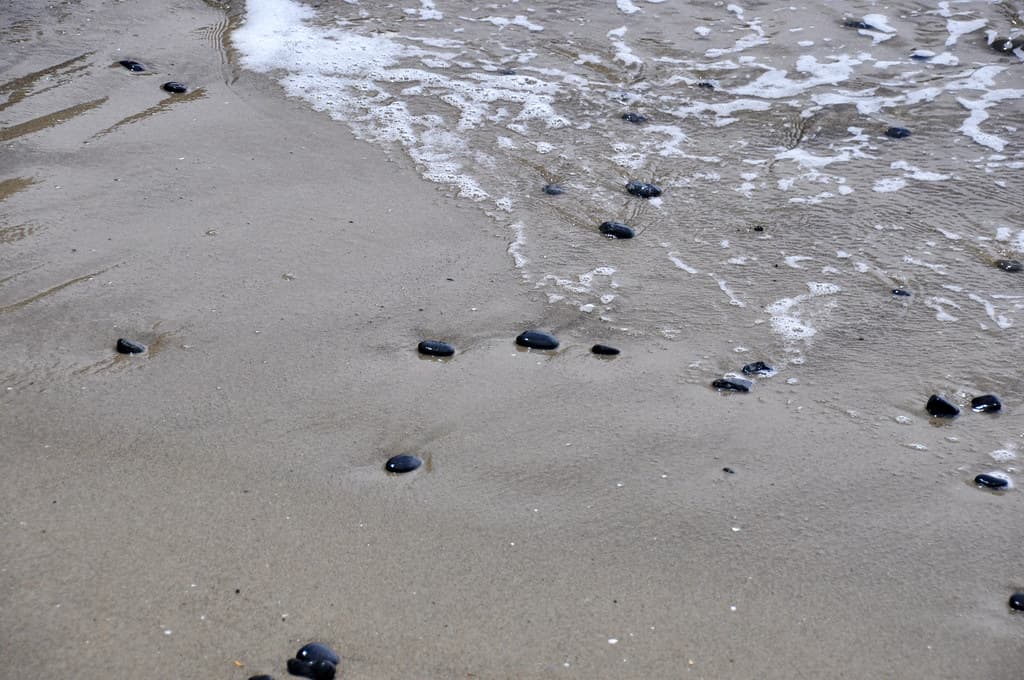 Credit: Flickr
Sand-gravel beach sediments (Heceta Head beach, coastal Oregon, USA) 8
You can walk for miles when the tide retreats, hopping between shelves and scrambling over sea stacks smoothed by millennia of winter gales. The 804 Trail hugs the coastline south toward Cape Perpetua, offering front-row seats to the Spouting Horn—a blowhole that sends plumes of seawater thirty feet skyward when swells align. During king tides and January storms, locals and visitors alike gather on the seawall, braced against wind, cameras ready for the moment waves detonate against rock in walls of white.
The beach refuses to conform to postcards. No palm trees, no soft sand underfoot—just the honest meeting of land and ocean, where Sitka spruce lean landward from decades of onshore wind, and harbor seals haul out on offshore rocks at dawn. You'll leave with sand dollars and chiton shells in your pockets, brine on your jacket, and the rhythm of the Pacific still drumming in your chest.


