
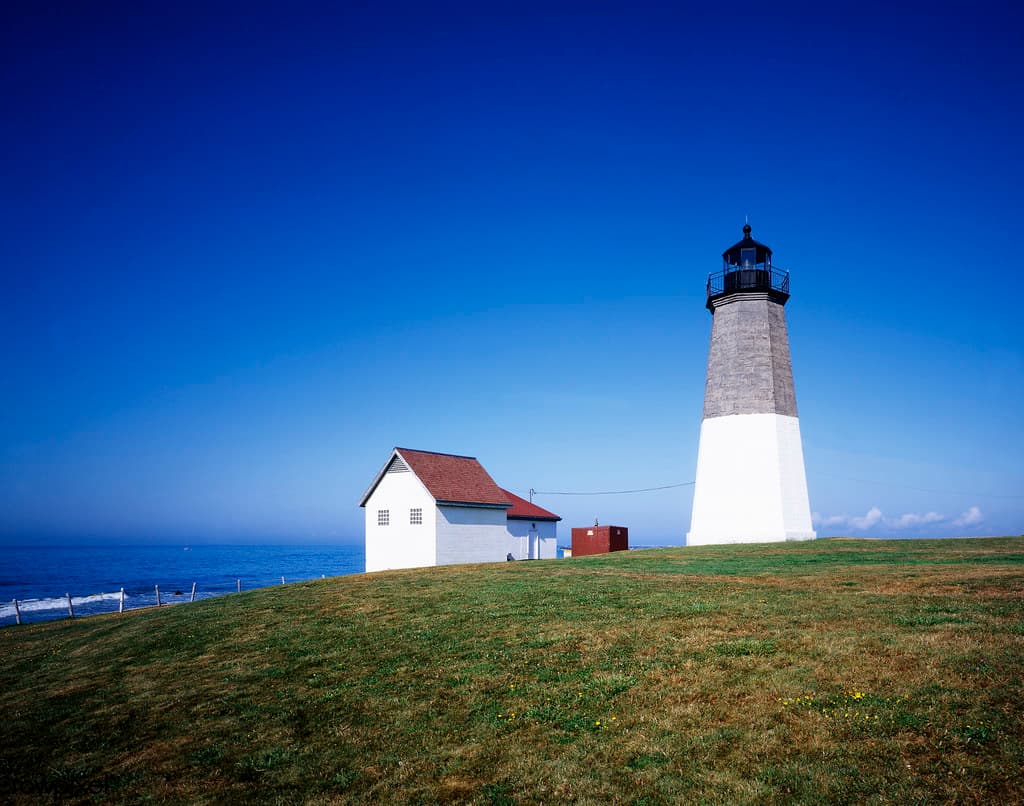
The 1816 lighthouse anchors a narrow finger of rock and sand where surf anglers stand thigh-deep in September nor'easters and families spread blankets on July afternoons. You'll navigate around the boulders—some car-sized, barnacle-crusted—that line the western edge, natural breakwaters that turn incoming waves into silvery explosions. The beach itself is coarse sand mixed with shell fragments, the kind that crunches under your feet and doesn't cling to beach towels.
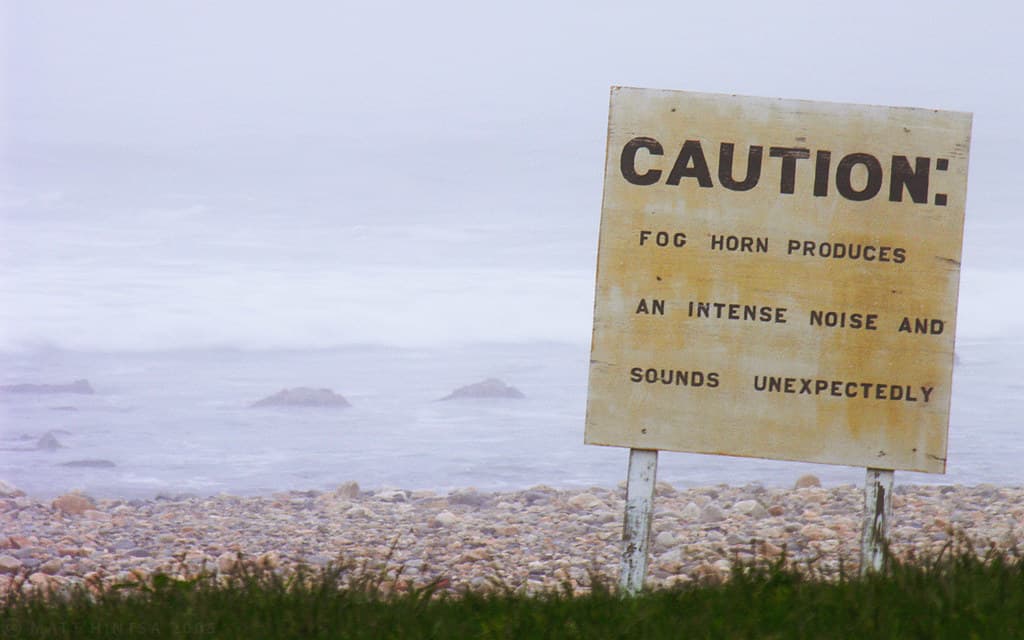
“One of the few active lighthouse stations where you can legally wade within yards of the foundation and feel the foghorn vibrate in your ribs.”
 Credit: Flickr
Cover Your Ears
The real draw isn't the swimming (though locals brave the chop year-round). It's the unobstructed theater of weather and light. Morning fog rolls in so thick the lighthouse beam cuts visible shafts through gray air. Winter storms send spray thirty feet up the tower's stone base. Summer evenings paint the rocks in amber and violet as sailboats tack past the breakwater.
You'll share the strand with surf casters who know the structure holds striped bass, and with Rhode Islanders who've watched the beacon from childhood. The snack bar near the parking area closes after Labor Day, leaving only gulls and the rhythmic pulse of the foghorn. There's no pretense here—just working coastline doing what it's done for two centuries.


