
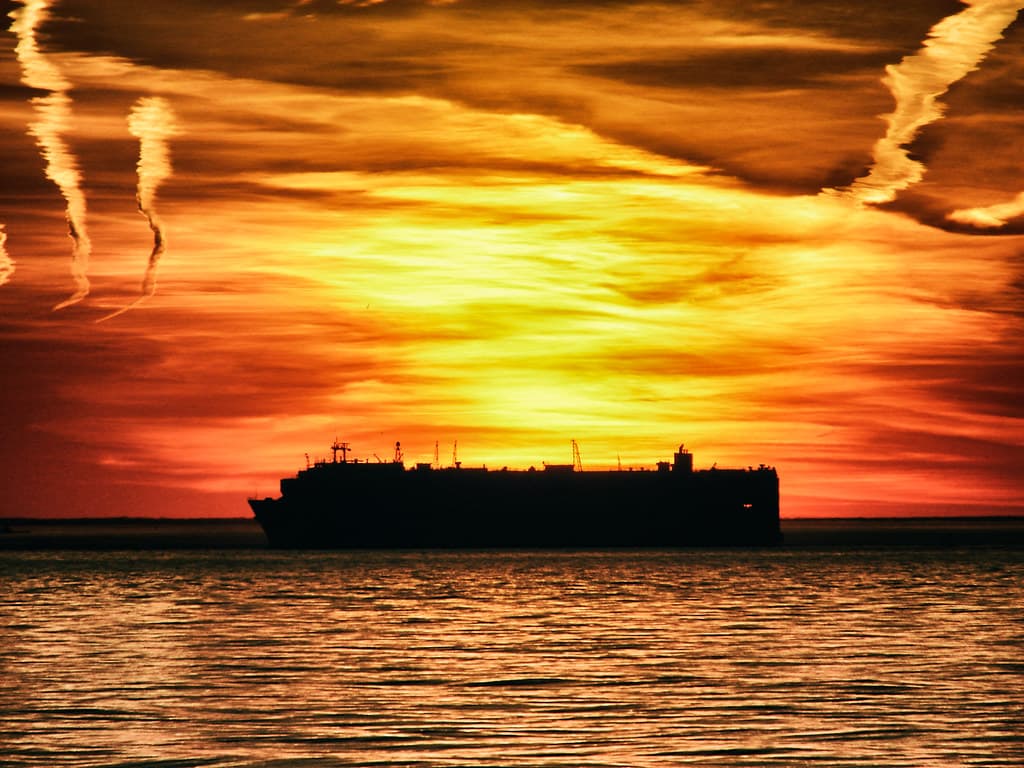
Hunting Island unfurls along the northern edge of Port Royal Sound, where the Lowcountry's signature blend of marsh and ocean meets in a five-mile crescent of pale sand. The beach belongs to South Carolina's most-visited state park, and families return year after year for the same reliable pleasures: warm shallows gentle enough for toddlers, tidal pools teeming with fiddler crabs, and that black-and-white lighthouse rising 136 feet above the palmettos. You can climb its 167 steps for views that stretch from Fripp Island to the ACE Basin.
“It's the rare South Carolina beach where you can climb a functioning lighthouse, then swim beneath its shadow an hour later.”
 Credit: Flickr
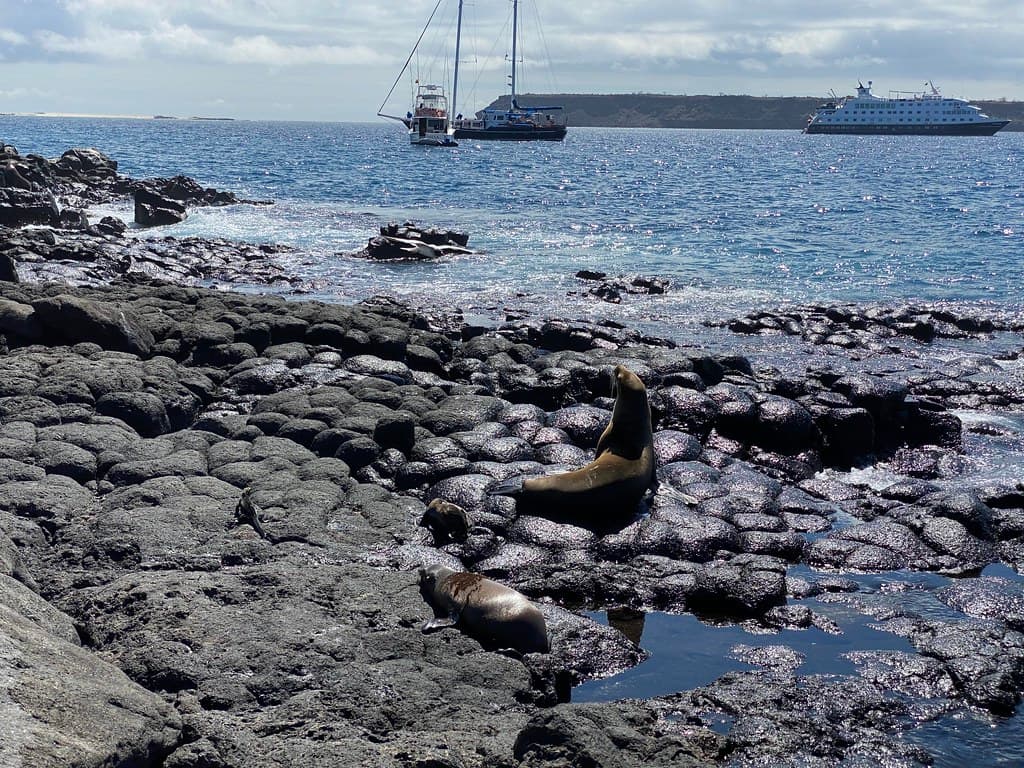
The Galápagos Sea Lions (Zalophus wollebaeki), North Seymour Island, the Galápagos Islands, Ecuador.
The shoreline here shifts with every storm and spring tide. Erosion has claimed the old lighthouse keeper's house and continues to reshape the northern spit, leaving behind a boneyard of fallen pines and cedars half-submerged in the surf. It's this raw impermanence that gives Hunting Island its particular character—less manicured resort, more working Carolina coast.
Come at dawn and you'll have the hard-packed sand to yourself, perfect for a barefoot jog past the lagoon where alligators sun on logs and great blue herons stalk the shallows. By midday, families stake umbrellas near the nature center, kids chasing ghost crabs while parents doze to the rhythm of small waves. The water stays swimmable well into October, and even winter afternoons draw beachcombers hunting for sand dollars and the occasional shark tooth.


