
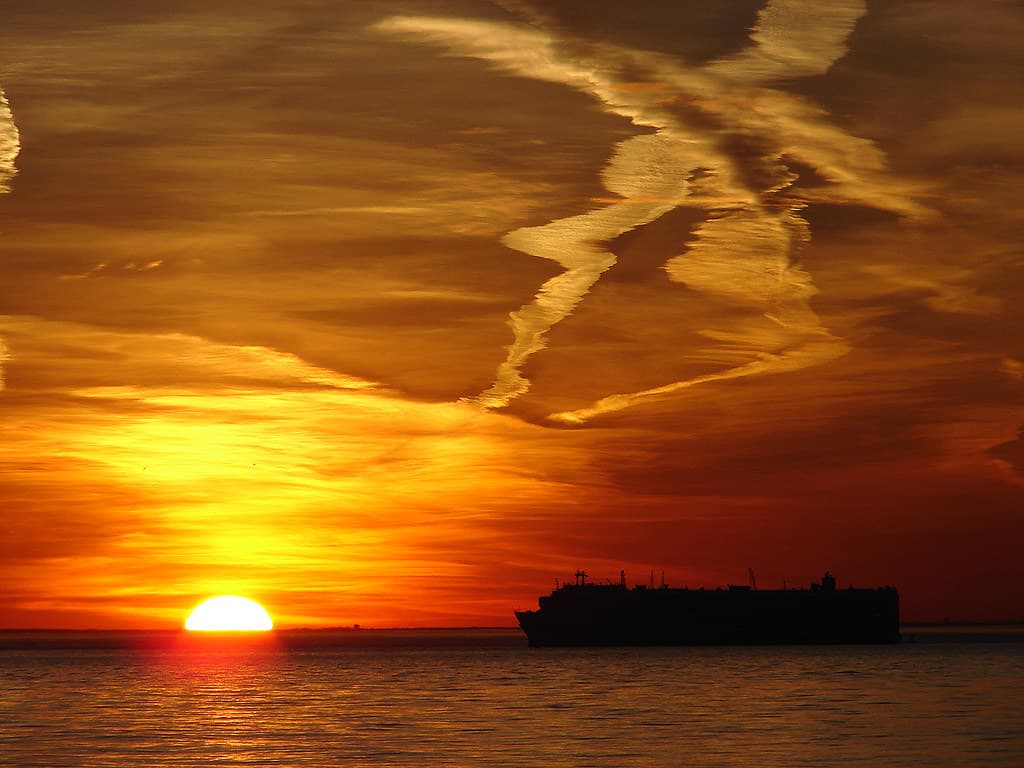
Brighton Beach lies in the shadow of Hilton Head Island's tourist machine, which is precisely why locals guard it. The drive down to the shore winds through neighborhoods of weathered cottages and boat docks, not condo towers. When you step onto the sand, you'll notice the difference immediately—shells crunch beneath your flip-flops, and the sound of traffic is replaced by the rustle of cordgrass in the tidal flats.
“This is one of the Lowcountry's few remaining beaches where tidal marshlands meet open ocean, creating a distinct ecosystem most resort islands have paved over.”
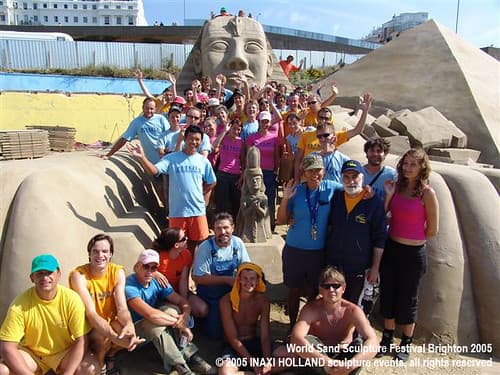 Credit: Flickr
World Sand Sculpture Festival Brighton 2005
The water here shifts from amber to gray-green depending on the tide, carrying the tang of salt marsh and the faint sweetness of decomposing spartina. Sandpipers dart along the wrack line, and pelicans dive just beyond the breakers. At low tide, the beach widens to reveal sandbars studded with oyster shells, while high tide pushes the Atlantic right up to the dune line, where beach morning glory sprawls in tangles.
You won't find beach chair rentals or umbrella vendors here. What you will find is space—long stretches where the only footprints are yours, where the rhythm of the waves drowns out everything else. The sunsets paint the May River in shades of copper and violet, and on clear nights, the stars emerge without competition from streetlights. Brighton Beach doesn't try to be anything other than what it is: a quiet sliver of South Carolina coast that refuses to perform.


