
Windy Hill Beach occupies the northernmost reach of Myrtle Beach proper, a borderland where the commercial frenzy thins and the coastline remembers its Carolina roots. The beach itself runs broad and gently sloped, the kind of sand that holds your footprints through three tidal cycles and supports long morning runs without a single detour around beach bars. Salt air mixes with the smell of dune vegetation, and the breeze—true to the name—carries enough Atlantic punch to keep kites aloft and temperatures merciful even in July.
“You get the Grand Strand's dependable waves and wide sand without surrendering your morning coffee to crowds or your evening walk to neon distractions.”
 Credit: Flickr
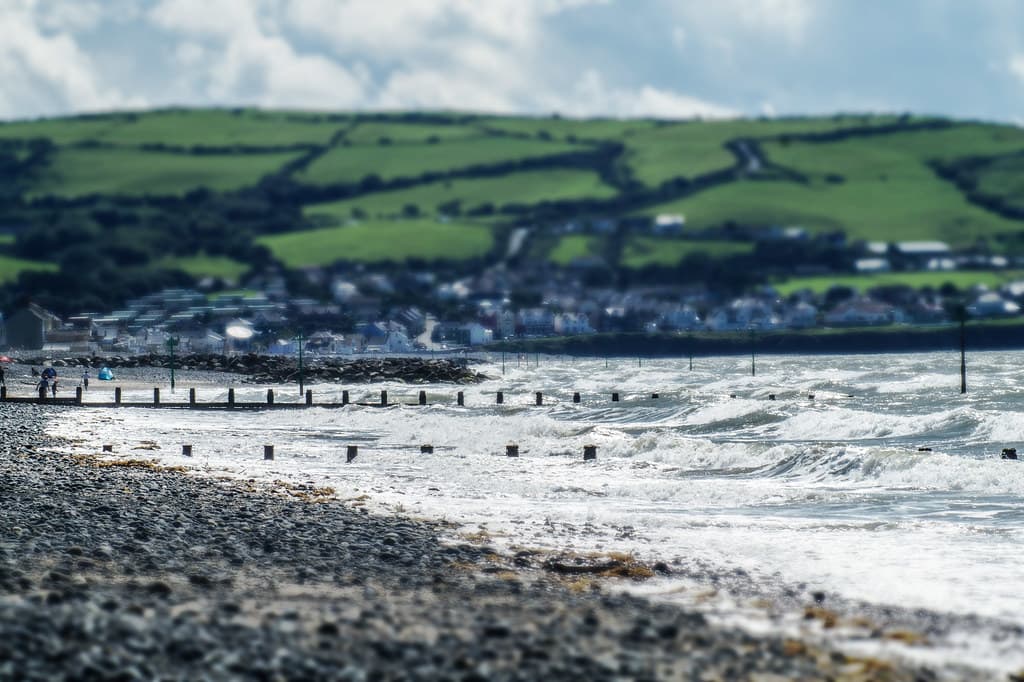
Tilt, Shift & Waves
The neighborhood behind the dunes trades high-rise intensity for a quieter, residential rhythm. You'll walk past families unloading coolers from hatchbacks, retirees with metal detectors tracing methodical grids in the wet sand, and the occasional local surf crew checking the break before their day jobs start. Access points dot the blocks between shore houses and modest condo buildings, each with wooden walkovers that creak underfoot and frame the ocean in weathered railings.
What you sacrifice in boardwalk amusements you gain in elbow room and a certain unvarnished authenticity. The strand here feels less curated, more lived-in—the kind of beach where people come to actually swim, not just to be seen. It's Myrtle Beach stripped of its commercial veneer, revealing the simple, enduring appeal of a South Carolina shoreline.


