
North Myrtle Beach unfurls along thirteen miles of the Grand Strand, where the sand runs compact enough for morning joggers and wide enough that your beach towel never feels crowded, even in July. The water here stays bathwater-warm through September, its gradual slope letting children wade out twenty yards before the Atlantic reaches their waists. Pelicans dive-bomb for mullet just beyond the sandbar, and shrimp boats trawl the horizon at dawn, their outriggers spread like wings.
“This is where Carolina beach culture was born—the birthplace of the shag dance and the calabash seafood tradition that swept the South.”
 Credit: Flickr
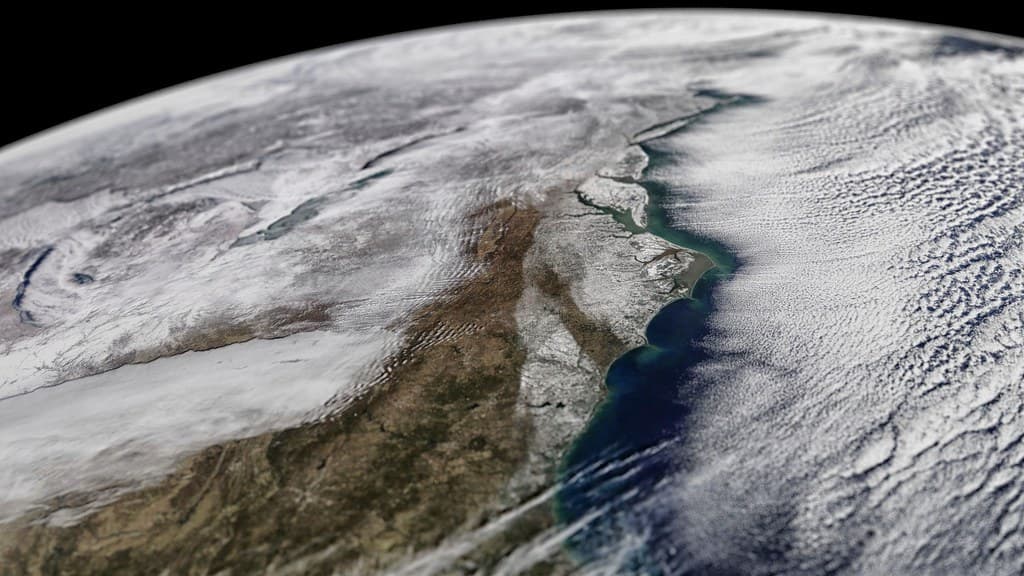
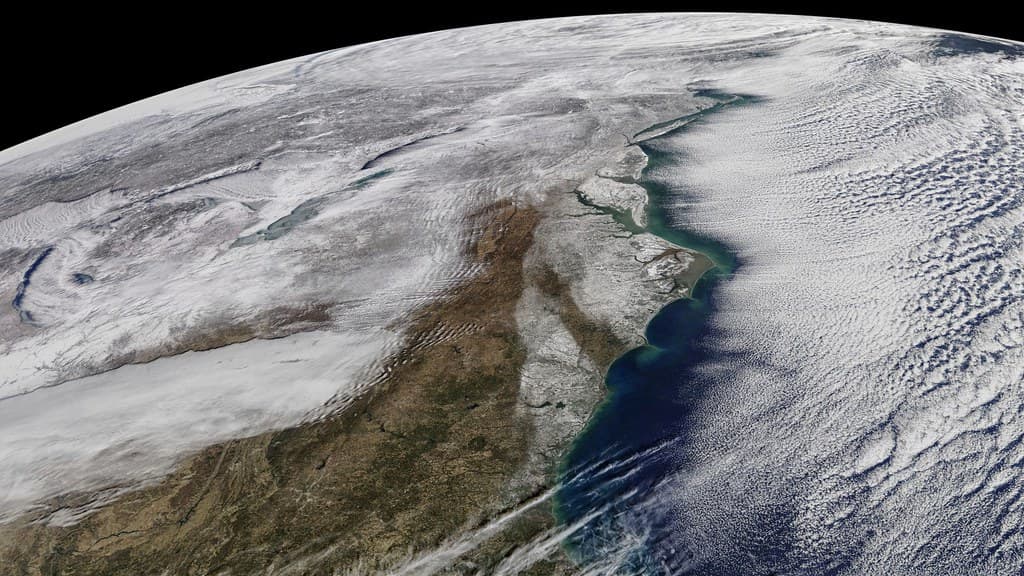
East Coast USA 2018 01 05
This is the beach that invented the shag, South Carolina's state dance, and you'll still find couples two-stepping barefoot at sunset near Ocean Drive. Between the dunes, pastel-painted beach houses on stilts give way to the kind of Old South motels your grandparents might remember—neon signs advertising ice machines and shuffleboard courts, their retro charm now genuinely vintage. The boardwalk at Barefoot Landing hums with live bluegrass on Thursday evenings.
Your days here follow an easy rhythm: morning boogie-board sessions, midday refuge under a rented umbrella with a cooler full of boiled peanuts, late-afternoon hunts for olive shells and whelks tumbled smooth by the tide. When hunger strikes, you're never far from calabash-style seafood—cornmeal-crusted flounder and hushpuppies served on paper plates—or the vinegar tang of Carolina pulled pork at roadside shacks where locals argue Clemson versus Carolina.


