
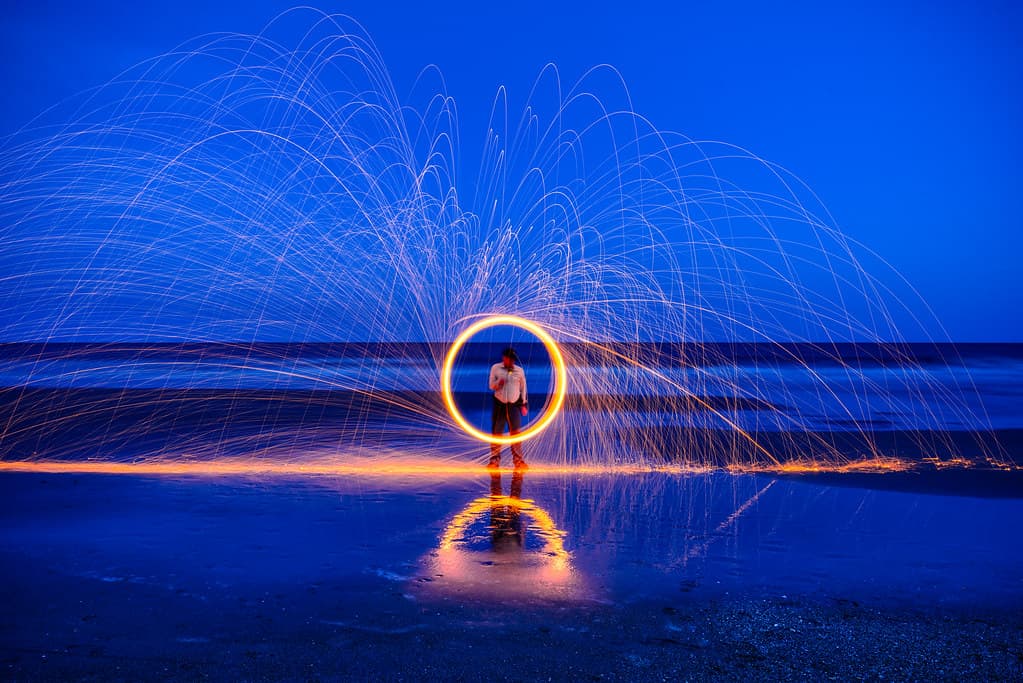
Litchfield Beach unfurls along a three-mile stretch where the Atlantic meets the Lowcountry's quieter instincts. No boardwalk interrupts the horizon here—just weathered beach houses on stilts, their porches strung with damp towels and sandy flip-flops. The sand itself runs firm and gray, packed tight enough for morning bike rides when the tide pulls back to reveal acres of wet foreshore stippled with coquina shells.
“One of the last undeveloped stretches on South Carolina's Grand Strand, where maritime forest still meets shore without commercial interruption.”
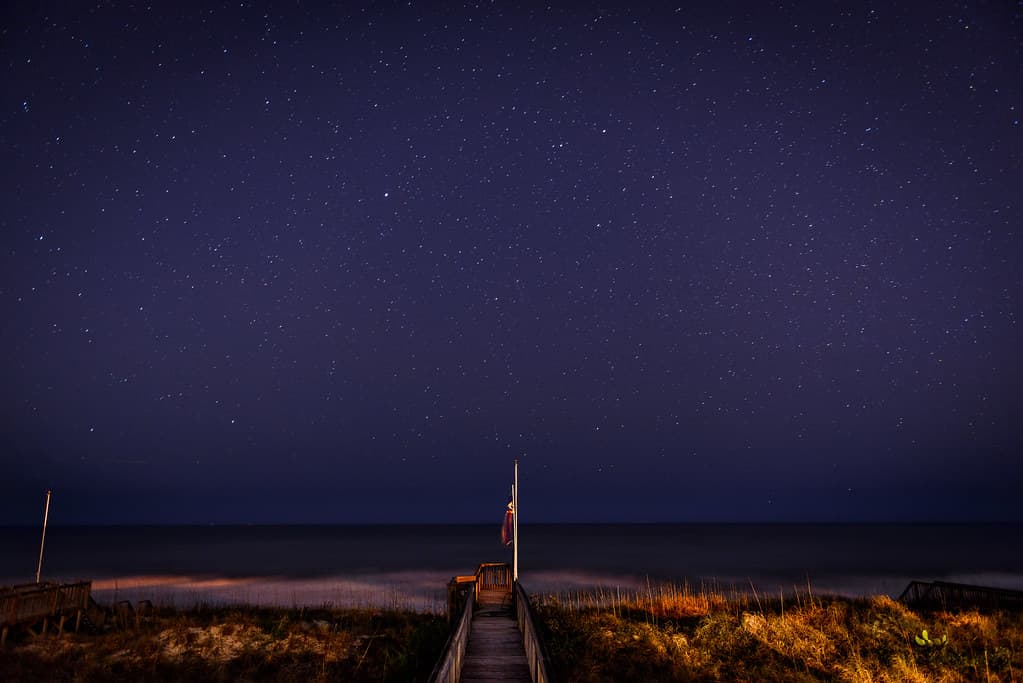 Credit: Flickr
North Litchfield Beach (Pawley's Island, South Carolina)
You reach the water by way of wooden crossovers that bridge the dunes, their handrails worn smooth by salt and touch. Live oaks frame the approaches, their branches draped in Spanish moss that sways with each offshore breeze. At low tide, tidal pools collect between sandbars, warming in the afternoon sun—natural wading spots where hermit crabs scuttle and minnows dart. The waves here break gently, their foam the color of sweet tea, rarely climbing higher than your knees during summer months.
What keeps families returning isn't novelty but constancy. The same shrimp boats work the horizon at dawn. The same great blue herons stalk the marsh edge behind the dunes. You'll find no jet skis, no beach bars blaring music—just the rhythmic collapse of small waves, the occasional bark of a dolphin surfacing beyond the breakers, and the unhurried ritual of folding chairs, coolers, and conversations that stretch across entire afternoons.


