
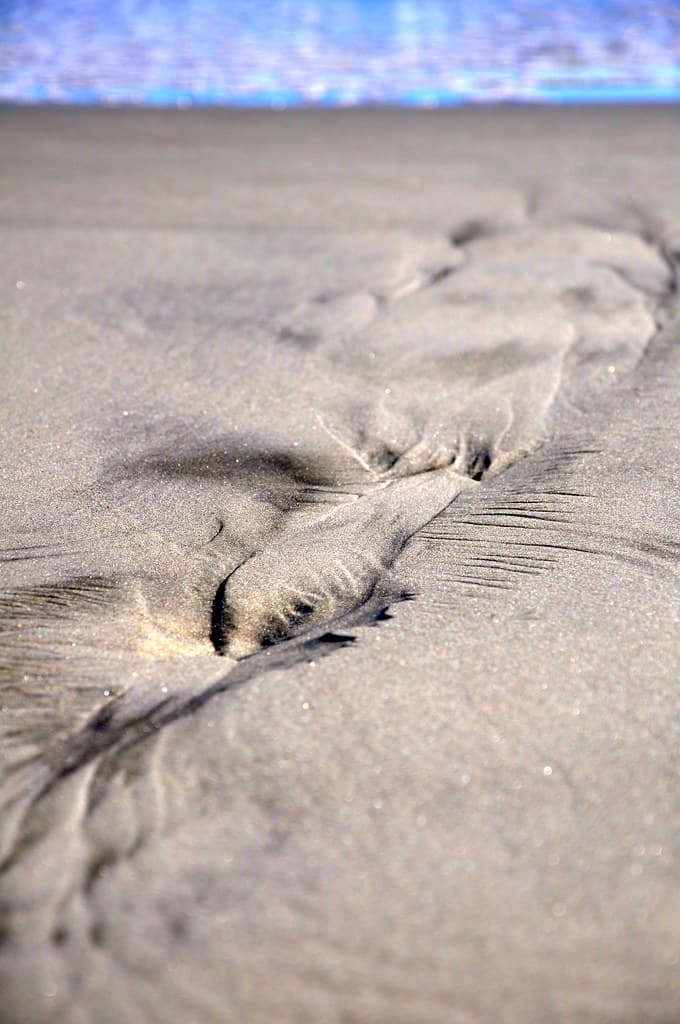
Fripp Island Beach stretches along the Atlantic edge of a 3,000-acre barrier island where maritime forest meets a shore so broad at low tide you can walk fifty yards from the dune line before the first wave touches your ankles. The sand here runs hard-packed and beige, ideal for the long morning bike rides families take past Palmetto palms and wooden boardwalks that creak under the salt air. Deer appear at dusk, unafraid, nosing through the underbrush while herons stalk the tidal creeks threading through the marsh on the island's inland side.
“One of the few privately gated barrier islands on the Carolina coast where access filters crowds without sacrificing three miles of Atlantic beachfront.”
 Credit: Flickr
shoreline
Because access requires a gate pass—either as a guest, homeowner, or resort visitor—the beach rarely feels crowded, even in July. Children dig for coquina clams in the shallows; parents set up low beach chairs and watch pelicans dive-bomb the surf. The absence of commercial boardwalks and beach bars gives the place a throwback quality, as if you've stumbled onto a 1970s family reunion that never ended.
Beyond the sand, the island offers tennis, golf, and a marina where dolphins surface near the docks at high tide. But most visitors return for the same reason: the beach delivers a rare combination of privacy, safety for kids, and a rhythm dictated entirely by the moon's pull on the water.


