Counting the waves…
Counting the waves…
A refined fusion of water purity, environmental stability, and communal vibrancy for McFaddin Beach.
View MethodologyAnalyzed via live sensors and environmental data.
Wave height, wind, and atmospheric stability.
Live footfall and crowd balance metrics.
Community reviews and curated sentiment.
“You'll drive past marsh grasses bent low by Gulf winds, the asphalt giving way to hard-packed sand where tire tracks replace footprints. McFaddin Beach stretches unmarked and ungroomed, a place where brown pelicans…”
Limited recent visitor reports — live OBI telemetry is your best guide for current conditions.
The beach begins where McFaddin National Wildlife Refuge meets the Gulf, a place so remote that you navigate by the twin landmarks of sea and sky. Your tires grip the firm sand as you roll eastward, windows down, salt spray mixing with the smell of cordgrass from the tidal flats behind you. Shorebirds scatter in front of your bumper—willets, sanderlings, the occasional roseate spoonbill dragging its bill through shallow pools.
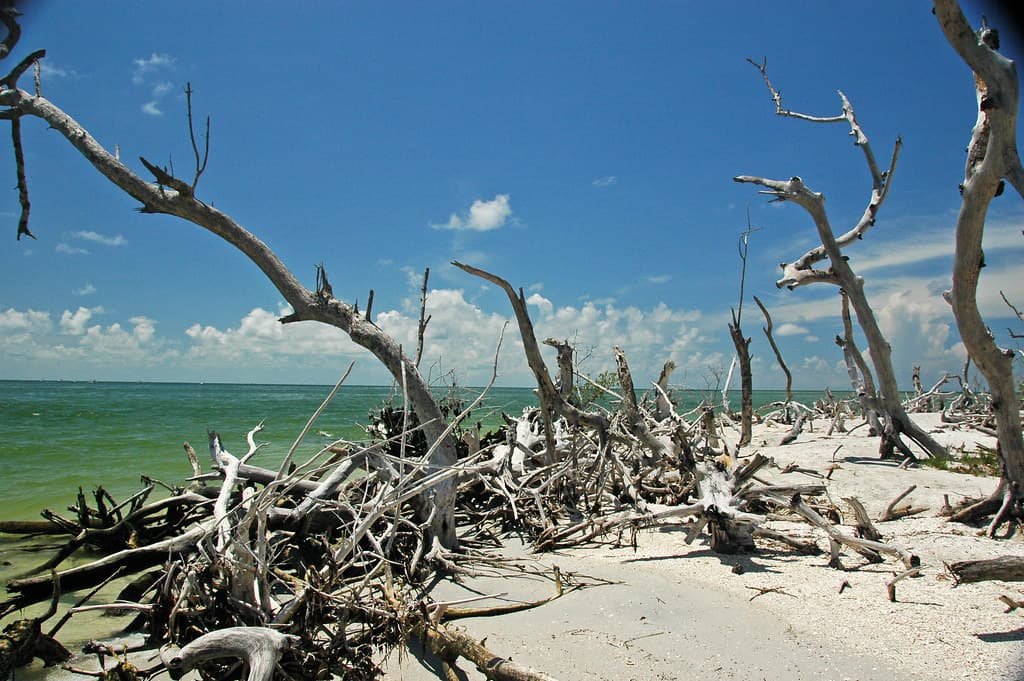
This is drive-on beach in its purest form, no boardwalks or concession stands to interrupt the sweep of dune and surf. The sand here isn't white; it's tawny and shell-flecked, littered with driftwood weathered silver by sun and tide. You park wherever solitude calls, set up a folding chair, and watch tankers inch along the horizon toward the Sabine Pass shipping channel. The refuge boundaries mean this stretch will never see high-rises, never host jet-ski rentals.
 Credit: Unsplash
a person running on a beach near the ocean
 Credit: Unsplash
An aerial view showcases the beach meeting the land
Spoonbills feed at low tide
Storm debris piles waist-high
Park truck, unfold tailgate chairs
Where it is
McFaddin Beach
Sabine Pass, Texas, USA
29.615100°, -94.341000°
Weather
Loading…
Swell
—
Temp
Warm · Restorative
UV Index
Moderate
Wind
—
Tidal State
Last known
Max Sunlight
—
Ideal Shade
—
May - Sep (Peak)
Jan - Dec (Off-season)
Historical data suggests peak visibility and stable sea temperatures occur during the prime visitation window.
Select a category to load nearby places.
Unlock restaurants, luxury stays and curated maritime experiences within 2km
Swimming at McFaddin Beach requires caution due to strong Gulf currents, unpredictable waves, and lack of lifeguards. The beach is remote and unpatrolled, so swimmers should assess conditions carefully and never swim alone. Jellyfish are common in warmer months. The beach is better suited for wading and beachcombing than serious swimming. Always check weather forecasts before visiting, and be aware that rip currents can develop. Cell phone coverage may be limited, so inform someone of your plans before heading to this isolated stretch of coastline.
McFaddin Beach is accessible year-round, with each season offering different experiences. Spring and fall (March-May, September-November) provide mild temperatures ideal for beachcombing and birdwatching, with fewer crowds and pleasant weather. Summer brings heat and humidity but warmer Gulf waters. Winter offers excellent birding opportunities as migratory species pass through the McFaddin National Wildlife Refuge. Sunrise and sunset visits are particularly scenic any time of year. Avoid visiting during tropical weather systems or after heavy rains when beach access roads may flood.
McFaddin Beach is located approximately 20 miles south of Port Arthur via Highway 87. From Sabine Pass, continue south on Highway 87 until you reach beach access points managed by the McFaddin National Wildlife Refuge. The beach features limited parking areas along the highway with direct beach access. Roads are unpaved in sections and can be rough or impassable after rain. A standard vehicle can typically access the beach, but four-wheel drive is recommended for driving on sand. Always check current road conditions before visiting this remote location.
McFaddin Beach has no on-site amenities, restrooms, or services—visitors should come fully prepared. The nearest facilities are in Sabine Pass (approximately 10-15 miles north), which has limited convenience stores and small restaurants. For more dining options and accommodations, Port Arthur (about 25-30 miles north) offers hotels, gas stations, and grocery stores. Pack plenty of water, snacks, sunscreen, and supplies for your visit. There are no concessions, beach rentals, or showers. Plan to bring everything you need and pack out all trash.
Yes, McFaddin Beach is part of the McFaddin National Wildlife Refuge, making it exceptional for wildlife viewing. The area is renowned for birdwatching, especially during migration seasons when numerous shorebirds, waterfowl, and raptors pass through. Beachcombers often spot ghost crabs, various shorebirds, and occasionally dolphins in the Gulf waters. The surrounding marsh and coastal prairie habitat supports alligators, though they're rarely seen on the beach itself. Shell collectors find abundant specimens along this undeveloped shoreline. Bring binoculars for the best wildlife observation experience.
Photos