
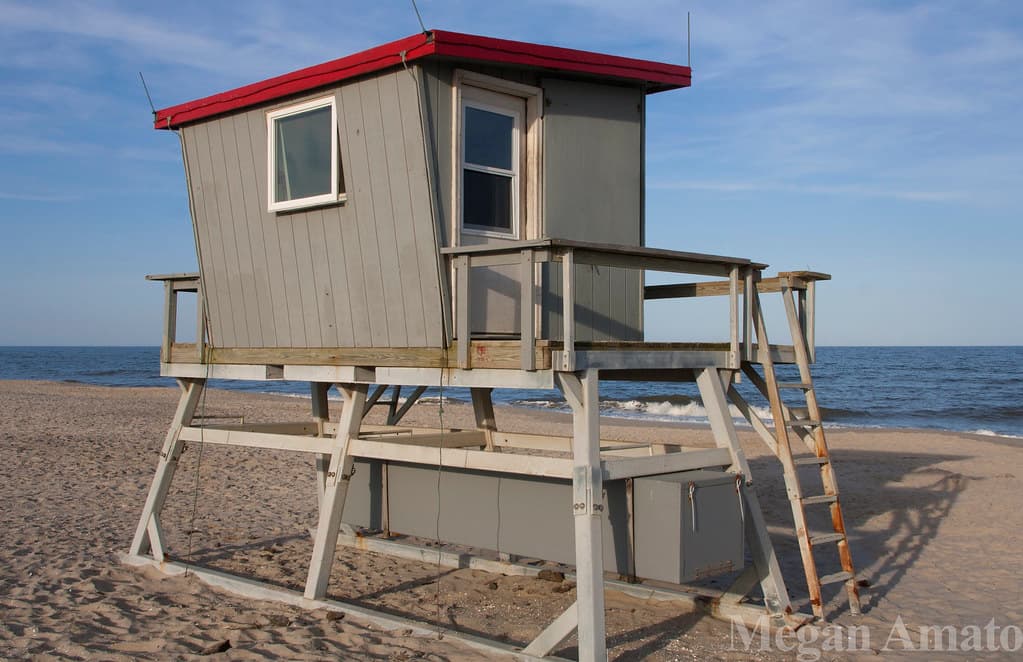
You park beneath loblolly pines and walk a wooden boardwalk over dunes stippled with beach grass. The sand stretches wide and beige, firm underfoot near the tideline where sandpipers skitter ahead of foaming waves. To your left, the dunes rise into thickets of bayberry and wax myrtle; to your right, the Atlantic rolls in with a steady, unhurried rhythm. This is a beach governed by tides and migration patterns, not lifeguard whistles.
“This is the only Atlantic beach where federally protected wild ponies share the shoreline with nesting shorebirds under active wildlife management.”
 Credit: Flickr
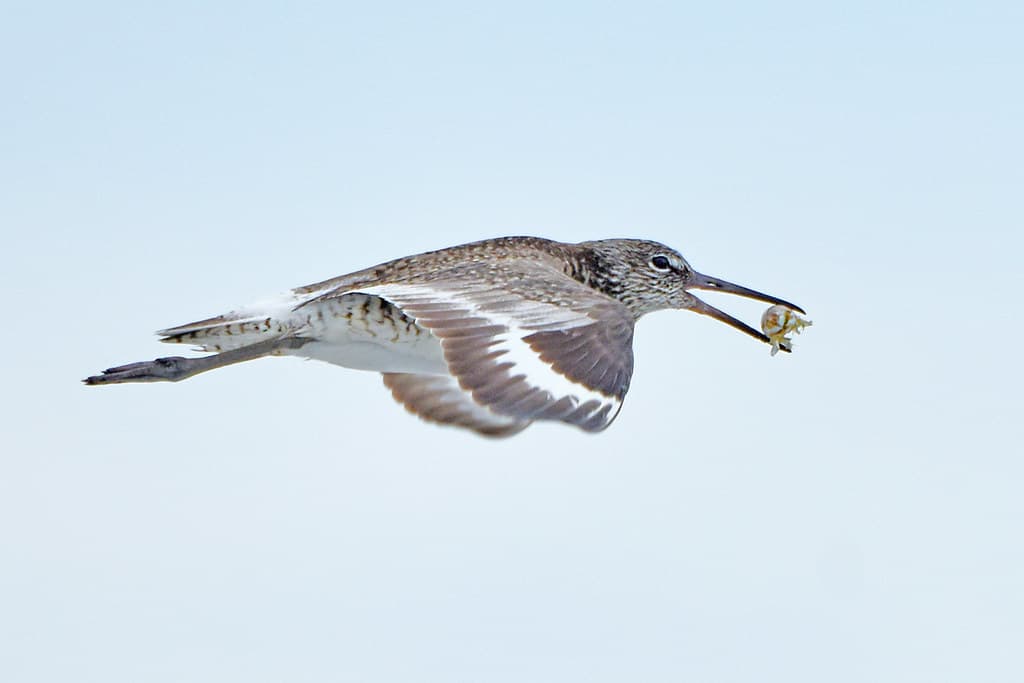
Willet with a sand crab
The famous ponies—descendants of shipwreck survivors or colonial livestock, depending on which local historian you ask—wander the marsh edges and sometimes the beach itself, their shaggy coats bleached by sun and salt. You'll smell them before you see them: a warm, grassy scent mingling with the iodine tang of exposed mudflats at low tide. Bring binoculars. Over three hundred bird species pass through here, and the refuge prioritizes their nesting grounds over your beach umbrella.
Come at dawn when the light turns the surf pink and the only other footprints belong to ghost crabs. The water stays cool even in July, the undertow mild but present. Pack out everything you bring in—the rangers enforce it—and if the beach closes for piping plover nests in summer, consider it a reminder that you're a guest in someone else's home.


