
The boat ride from Machipongo deposits you onto a shore that belongs more to the migratory birds than to the handful of visitors who find their way here each week. Cobb Island stretches low and windswept, its dunes held together by sea oats that rattle in the salt breeze. At low tide, tidal flats extend a quarter-mile out, revealing sand dollars and whelk shells the size of your fist.
“One of the last undeveloped barrier islands on the mid-Atlantic coast where natural erosion and accretion continue without human interference.”
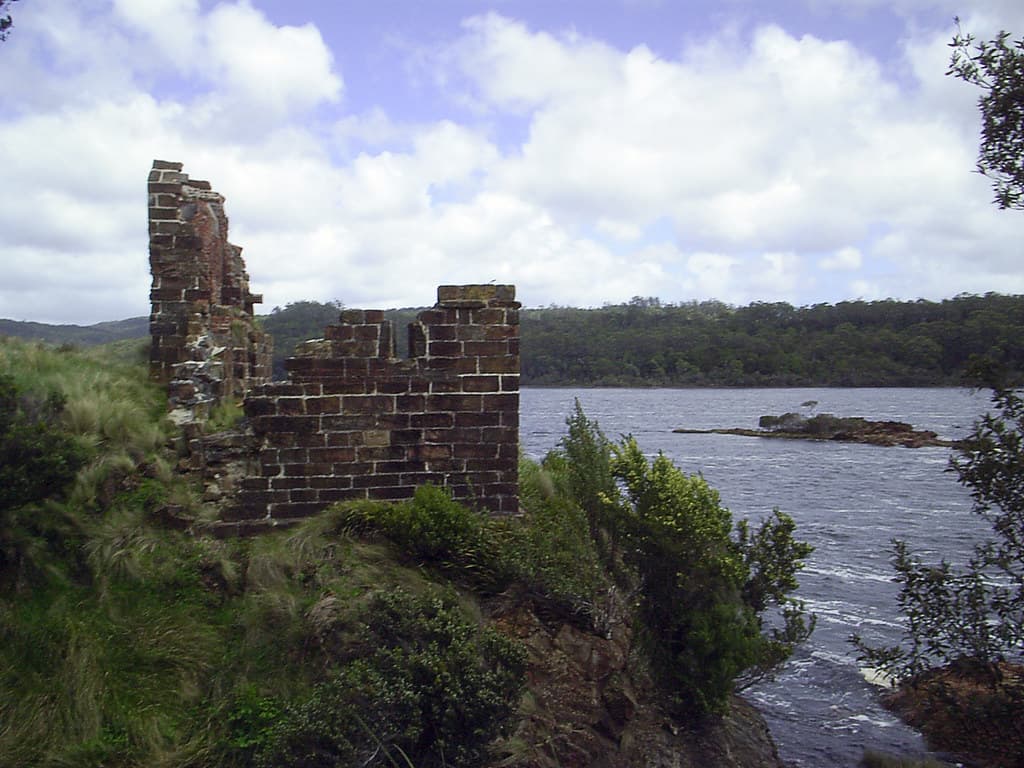 Credit: Flickr
Sarah Island
No boardwalks interrupt the horizon. No lifeguard stands punctuate the beach. You navigate by the bend of the creek and the position of the sun, watching ospreys dive for menhaden in the shallows. The water runs cold even in August, fed by currents that sweep down from the Chesapeake. Shells accumulate in ridges along the high-tide line—scallops, arks, jingles—sorted by the waves into bands of cream and rust.
The island changes shape with the seasons. Winter storms bite chunks from the northern tip while depositing sand bars to the south. By evening, when the last boat putters back to the mainland, you understand what the Virginia barrier islands looked like before the resort developers arrived—just marsh grass, moving water, and the kind of solitude that requires planning to reach.


