Counting the waves…
Counting the waves…
A refined fusion of water purity, environmental stability, and communal vibrancy for False Cape Beach.
View MethodologyAnalyzed via live sensors and environmental data.
Wave height, wind, and atmospheric stability.
Live footfall and crowd balance metrics.
Community reviews and curated sentiment.
“False Cape sprawls across 4,321 undeveloped acres where Back Bay National Wildlife Refuge meets the Atlantic. You'll pedal or trek six miles past persimmon thickets and wax myrtle to reach sand unmarred by boardwalks,…”
Limited recent visitor reports — live OBI telemetry is your best guide for current conditions.
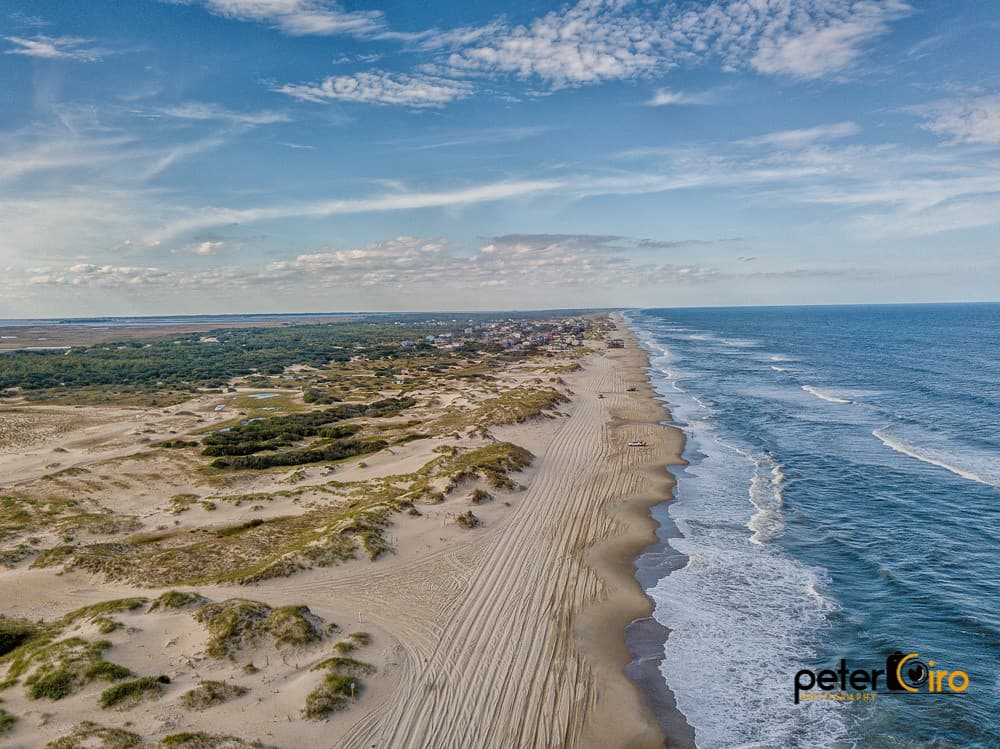
The approach tells you everything: no parking lot, no snack bar, no lifeguard tower. You'll bike the sandy trail or hike in on foot, passing through Back Bay National Wildlife Refuge where loggerhead sea turtles nest and snow geese winter. The maritime forest gives way to dunes, then suddenly—miles of beach so empty it feels like the edge of America.
You'll spot wild horses descended from Spanish mustangs grazing near the dunes, their coats salt-stiffened and manes tangled. Shorebirds scatter at your approach: sanderlings, willets, piping plovers. The waves here break with irregular force, carving steep drop-offs and depositing whole sand dollars and whelk egg cases along the wrack line. In summer, ghost crabs sidewind across cooling sand at dusk; in winter, harbor seals haul out on distant sandbars.
 Credit: Unsplash
sea waves crashing on shore during sunset
 Credit: Unsplash
a beach with houses and trees
Six miles through maritime forest
Mustangs graze near the dunes
Waterway access through the refuge
Where it is
False Cape Beach
Virginia Beach, Virginia, USA
36.550400°, -75.868600°
Weather
Loading…
Swell
—
Temp
Warm · Restorative
UV Index
Moderate
Wind
—
Tidal State
Last known
Max Sunlight
—
Ideal Shade
—
May - Sep (Peak)
Jan - Dec (Off-season)
Historical data suggests peak visibility and stable sea temperatures occur during the prime visitation window.
Select a category to load nearby places.
Unlock restaurants, luxury stays and curated maritime experiences within 2km
Yes, swimming is generally safe at False Cape Beach, with typical Atlantic Ocean conditions including moderate waves and currents. However, there are no lifeguards on duty since this is a remote wilderness beach within False Cape State Park. Swim at your own risk and never swim alone. Check weather and surf conditions before your visit. The beach's isolation means emergency services response times are longer than developed beaches, so exercise extra caution and stay aware of changing ocean conditions.
False Cape Beach is accessible year-round, with each season offering different experiences. Spring and fall provide comfortable temperatures (60-75°F), excellent wildlife viewing, and fewer crowds. Summer brings warm swimming weather but higher humidity and more visitors. Winter offers solitude and dramatic scenery but requires cold-weather gear. For optimal wildlife observation, visit during spring and fall migrations (April-May, September-October). Weather can change quickly, so prepare for variable conditions regardless of season.
False Cape Beach requires significant effort to reach as no roads lead directly to it. Park at the Little Island Park (southeast Virginia Beach) or Sandbridge area, then access the beach by hiking, biking, or kayaking approximately 6 miles through Back Bay National Wildlife Refuge. Alternatively, take the seasonal False Cape Shuttle (electric tram) when operating. Parking is available at Little Island Park for a fee. The remote location is intentional to preserve the wilderness character.
False Cape Beach has no commercial amenities—no restaurants, stores, or hotels. Primitive camping is available at False Cape State Park with advance reservations, but you must hike in all supplies. The nearest restaurants, shops, and hotels are in Sandbridge (about 8 miles away) or Virginia Beach proper. The park has basic composting toilets but no running water, showers, or concessions. Bring all food, water, and supplies you'll need, and pack out all trash.
False Cape Beach offers exceptional wildlife viewing opportunities. Expect to see wild horses, loggerhead sea turtles (nesting May-August), bottlenose dolphins, and over 300 bird species including pelicans, ospreys, and piping plovers. The surrounding Back Bay National Wildlife Refuge hosts deer, river otters, and various waterfowl. Respect all wildlife by observing from a distance—never approach or feed animals. Bring binoculars for best viewing, and watch for seasonal migrations during spring and fall.
Photos