
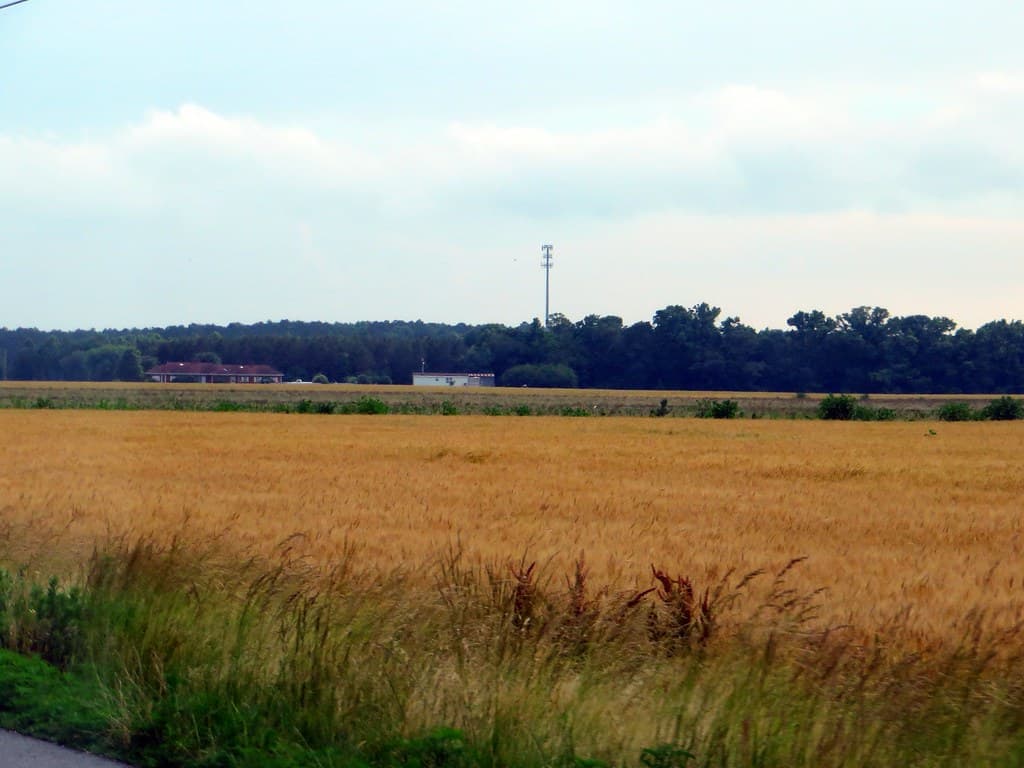
Wallops Island Beach sits in the curious company of NASA's oldest launch site, where the shoreline alternates between quiet weekday mornings and the sudden theater of orbital missions. You'll walk the firm sand past washed-up slipper shells and mermaids' purses, the kind of flotsam that reveals the Chesapeake Bay's fingerprint on this barrier coast. The beach runs narrow here, backed by dunes that shake with the deep bass of a Minotaur or Antares liftoff—check the flight schedule and you might time your visit to a launch window, though the beach itself closes briefly for safety.
“The only Atlantic beach in America where you can witness orbital rocket launches from your beach towel, with NASA's active flight facility as your backdrop.”
 Credit: Flickr
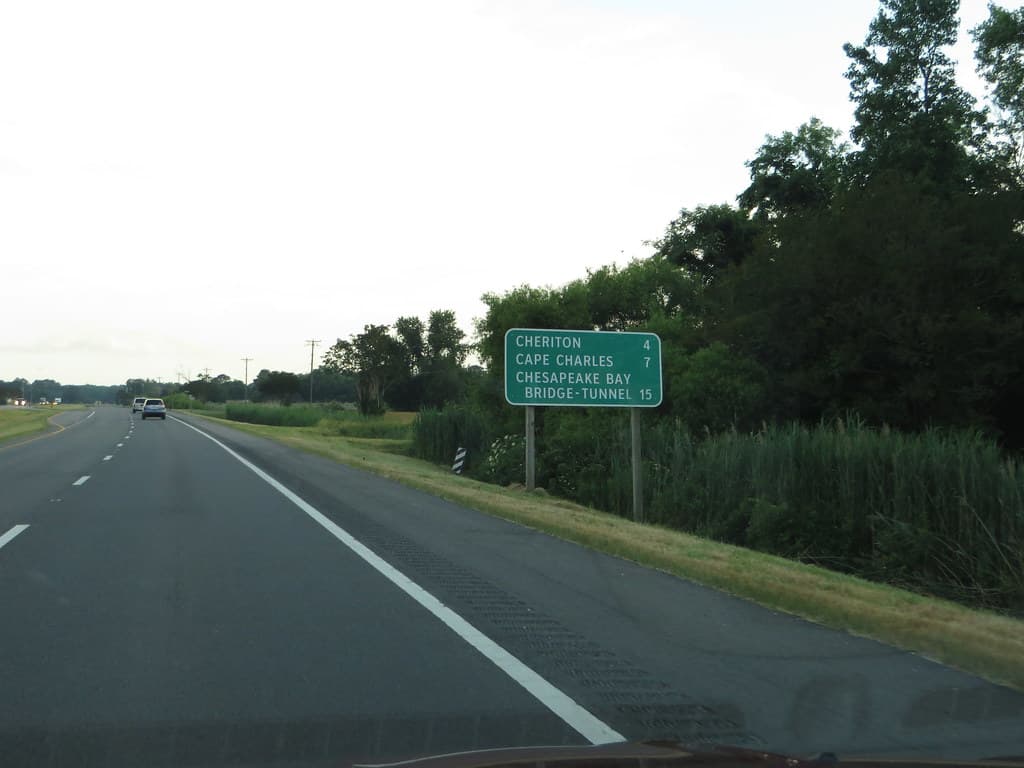
15 Miles to Chesapeake Bay Bridge-Tunnel, U.S. 13, Eastern Shore, Virginia
Beyond the fenceline lies Chincoteague National Wildlife Refuge, close enough that you'll spot the silhouettes of shorebirds working the shallows at low tide. The water stays brisk even in July, the mid-Atlantic chill keeping crowds thinner than Virginia Beach two hours south. Lifeguards work summer weekends only, so you're often alone with the sanderlings and the occasional fisherman casting for spot or croaker.
The Wallops Visitor Center anchors the experience—free admission, air-conditioned galleries displaying Mercury capsules and sounding rockets, and a second-floor deck where you can scan the beach and launchpads in one sweep. Pack a cooler; the nearest food truck idles near the parking lot on busy days, but services thin out fast. This is a beach that rewards the self-sufficient, the sky-watcher, and anyone content to read a paperback under the contrail of something headed for orbit.


