
The trail from the historic reserve drops you onto a beach that feels less like a destination and more like a threshold between eras. Bleached logs—some thick as truck beds—form natural benches facing west, where container ships drift silently toward Puget Sound and the white cone of Mount Baker punctuates the northern horizon. The sand here is dark, flecked with mussel shells and rounded stones that click underfoot as the tide recedes.
“The only beach in the National Park system where a working 19th-century farmscape meets undeveloped Salish Sea shoreline.”
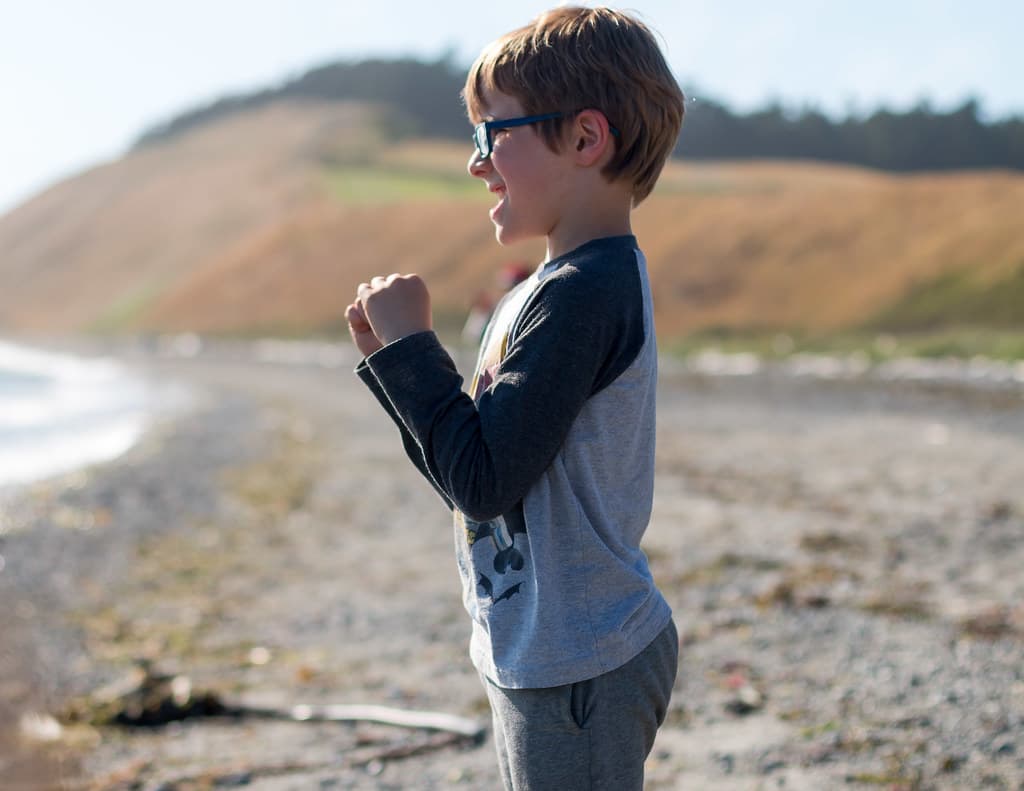 Credit: Flickr
Inspired by Waves
This is working waterfront country, where fishing boats ply the same routes Coast Salish canoes traveled for millennia. The bluffs behind you hold one of the oldest continuously farmed prairies in Washington, its grasses unchanged since homesteaders arrived in the 1850s. You'll find no concession stands, no lifeguard towers—just the rhythmic pull of waves and the occasional otter threading through bull kelp forests offshore.
Come during a January storm to watch waves hammer the shore in pewter sheets, or in June when the madronas on the bluff glow copper-red against blue sky. The beach stretches nearly two miles when tides are low, revealing tide pools alive with purple stars and green anemones. Bring layers; the wind off Admiralty Inlet rarely quits, even when the sun breaks through.


