Counting the waves…
Counting the waves…
A refined fusion of water purity, environmental stability, and communal vibrancy for Cranberry Beach.
View MethodologyAnalyzed via live sensors and environmental data.
Wave height, wind, and atmospheric stability.
Live footfall and crowd balance metrics.
Community reviews and curated sentiment.
“Cranberry Beach sprawls along the Long Beach Peninsula's northeastern shore, where salt air mingles with the tannin-rich outflow of the Columbia. You'll walk across weathered logs the size of whale ribs, scan for harbor…”
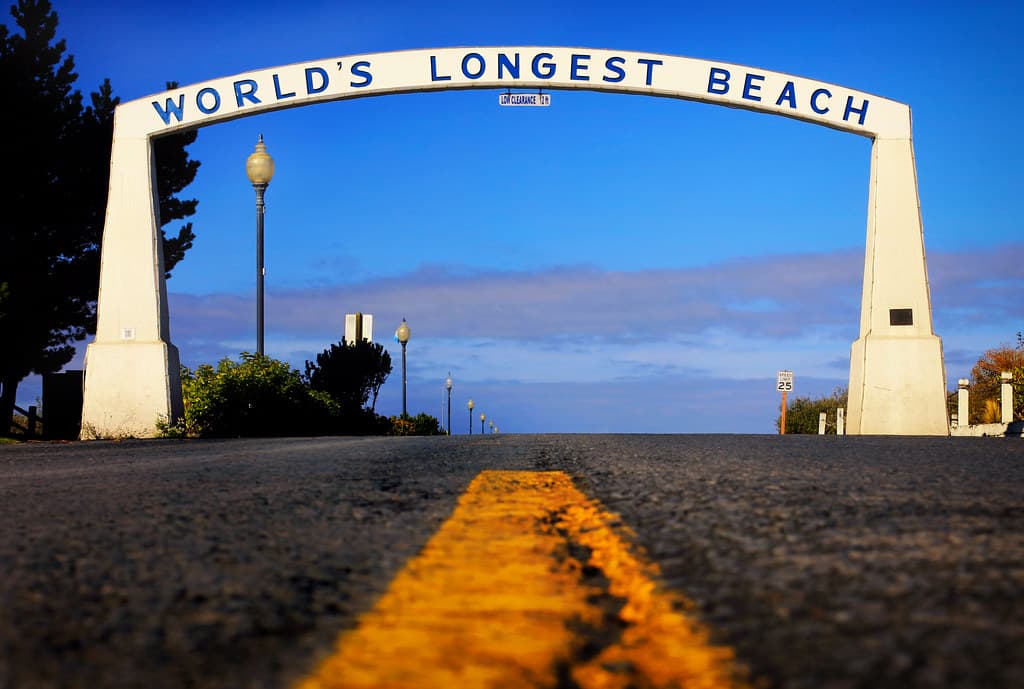
Limited recent visitor reports — live OBI telemetry is your best guide for current conditions.
Cranberry Beach occupies a liminal zone where river meets ocean, creating a tidal theater most visitors miss on their rush to the peninsula's boardwalk attractions. The shore here is a chaos of bleached driftwood—mammoth timbers tumbled smooth by currents, stacked in silver piles that shift with every winter storm. Mudflats emerge at low tide, revealing clam beds and the tracks of shorebirds working the exposed sand.
The wind rarely stops. It carries the briny scent of kelp and the faint diesel note of fishing boats navigating the Columbia's mouth, a reminder that this isn't a sheltered cove but a working waterway. On clear mornings, you'll see the hills of Astoria across the river, while brown pelicans skim the chop in tight formation. The beach takes its name from the coastal bogs that once flourished here, though cranberries have long given way to beach grass and Scotch broom.
Credit: FlickrDriftwood Sculpture Hunting
Credit: FlickrMudflat Exploration
Monumental logs stacked by storms
Low tide reveals clam beds
Harbor seals ride tidal currents
Where it is
Cranberry Beach
Long Beach, Washington, USA
46.418300°, -124.056500°
Weather
Loading…
Swell
—
Temp
Warm · Restorative
UV Index
Moderate
Wind
—
Tidal State
Last known
Max Sunlight
—
Ideal Shade
—
May - Sep (Peak)
Jan - Dec (Off-season)
Historical data suggests peak visibility and stable sea temperatures occur during the prime visitation window.
Select a category to load nearby places.
Unlock restaurants, luxury stays and curated maritime experiences within 2km
Swimming at Cranberry Beach is generally not recommended due to cold Pacific Ocean temperatures, strong currents, and unpredictable waves typical of Washington's coast. The beach is better suited for wading, beachcombing, and tide pooling. If you do enter the water, stay close to shore and never turn your back on the ocean. There are no lifeguards on duty. The beach is excellent for walking and enjoying scenic views rather than swimming activities.
Cranberry Beach can be visited year-round, with each season offering different experiences. Summer (June-August) provides the mildest weather and longest daylight hours, though mornings can be foggy. Spring and fall offer fewer crowds and dramatic storm watching opportunities. Winter brings powerful waves and potential whale watching from shore. The Pacific Northwest coast is known for rain, so bring layers and waterproof gear regardless of season. Low tide periods are ideal for exploring tide pools and the expansive shoreline.
Cranberry Beach is located in Long Beach, Washington, on the Long Beach Peninsula. From Highway 101, take the designated beach access roads that connect to the peninsula's main roads. The beach is accessible via several public access points with parking areas nearby. Parking is typically free at most beach approaches. A Discover Pass may be required at some Washington State Parks access points. The beach is relatively remote, so allow extra travel time and check road conditions before visiting.
The Long Beach Peninsula offers numerous dining and lodging options within a short drive of Cranberry Beach. The town of Long Beach features seafood restaurants, cafes, and casual eateries serving fresh Pacific Northwest cuisine. Accommodations range from beachfront hotels and motels to vacation rentals and RV parks. Small markets and grocery stores are available for supplies. Since Cranberry Beach itself is relatively undeveloped, plan to drive into nearby communities for most amenities and services during your visit.
While specific naming details may vary, Washington's coastal areas historically supported cranberry bogs, and the Long Beach Peninsula region has significant cranberry farming heritage. The name likely references the area's connection to cranberry cultivation, which has been an important agricultural activity in this part of Washington for over a century. Some Pacific Northwest beaches with cranberry names are near wetlands or former bog areas. The name adds to the beach's distinctive character along this scenic coastline.
Photos