Counting the waves…
Counting the waves…
A refined fusion of water purity, environmental stability, and communal vibrancy for Crescent Beach.
View MethodologyAnalyzed via live sensors and environmental data.
Wave height, wind, and atmospheric stability.
Live footfall and crowd balance metrics.
Community reviews and curated sentiment.
“You'll feel the vibration through driftwood logs as waves explode against basalt outcrops. Wetsuit-clad surfers paddle through kelp beds while bald eagles circle overhead, and the Olympic Mountains form a snow-capped…”
Limited recent visitor reports — live OBI telemetry is your best guide for current conditions.
The drive west from Port Angeles threads through second-growth Douglas fir before the road drops suddenly, revealing a tight arc of beach pinned between forested bluffs. Crescent Beach takes its name from the shape—a quarter-mile curve of slate-gray sand and wave-smoothed stones that rattle with each surge. The Strait's cold currents funnel northwest swells into peaks that break over submerged rock shelves, creating the kind of punchy, unpredictable surf that keeps you guessing.
Water temperature hovers in the low fifties year-round, demanding five-millimeter neoprene even in August. You'll share the line-up with harbor seals that pop up between sets, their whiskered faces tracking your position with unnerving intelligence. The beach faces north across twenty miles of open water toward Vancouver Island, and when storms roll through, salt spray coats your windshield in the parking area above.

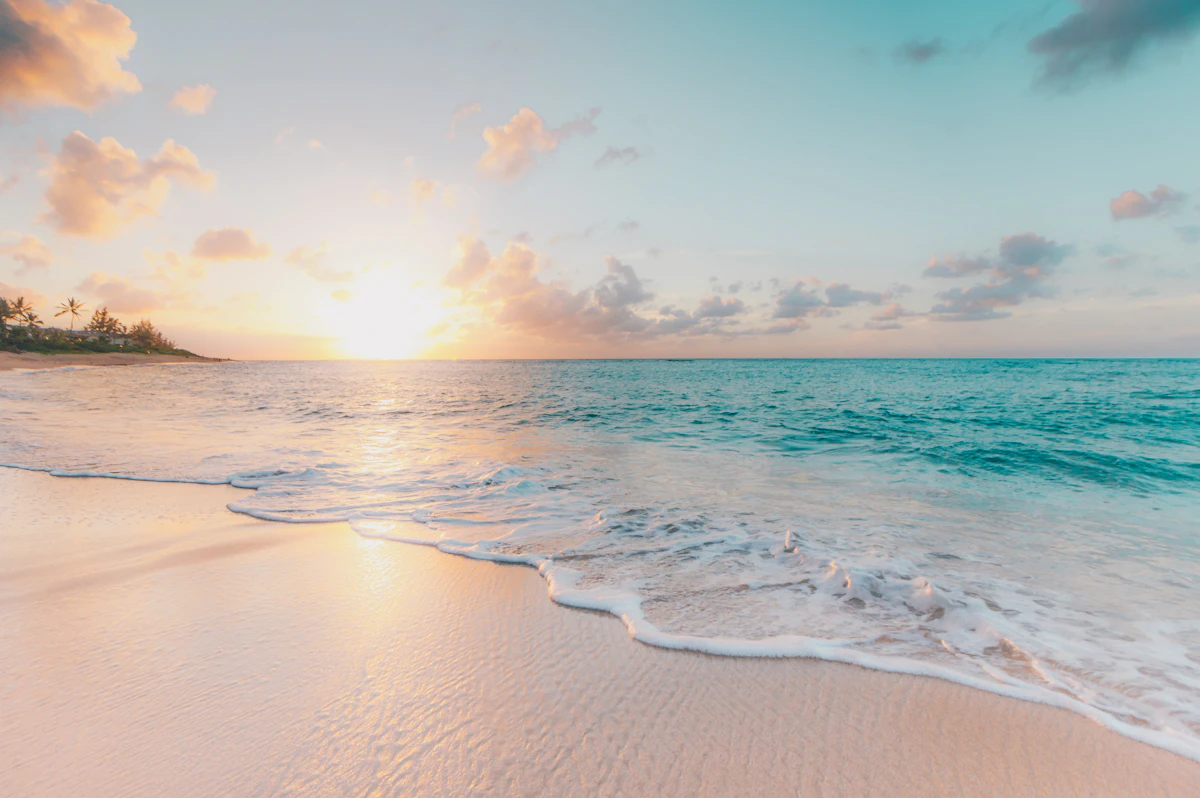
Wide white-sand beach with footprints
Cliff-edge cove with emerald water
Northwest swells over submerged rocks
Storm-carved cedar at high-tide line
Forest paths to elevated viewpoints
Where it is
Crescent Beach
Port Angeles, Washington, USA
48.255500°, -124.281000°
Weather
Loading…
Swell
—
Temp
Warm · Restorative
UV Index
Moderate
Wind
—
Tidal State
Last known
Max Sunlight
—
Ideal Shade
—
May - Sep (Peak)
Jan - Dec (Off-season)
Historical data suggests peak visibility and stable sea temperatures occur during the prime visitation window.
Select a category to load nearby places.
Unlock restaurants, luxury stays and curated maritime experiences within 2km
Crescent Beach has cold water year-round (typically 45-55°F) and can experience strong currents and surf, making swimming challenging and potentially dangerous. Most visitors enjoy wading, beachcombing, and watching surfers rather than swimming. There are no lifeguards on duty. The beach has driftwood and logs that can shift with waves, posing hazards. If you do enter the water, stay close to shore, never turn your back on the waves, and be prepared for the cold temperature. Wetsuits are essential for any extended water activity.
Crescent Beach offers year-round beauty, with each season providing different experiences. Summer (June-September) brings the most pleasant weather with temperatures in the 60s-70s°F and less rain, ideal for beachcombing and picnics. Winter and spring offer dramatic storm watching and the best surf conditions. The Olympic rain shadow means Port Angeles receives less precipitation than surrounding areas, averaging about 25 inches annually. Visit during low tide for the best beach exploration. Mornings typically offer clearer skies before afternoon clouds roll in from the Strait of Juan de Fuca.
Crescent Beach is located about 15 miles west of downtown Port Angeles on Highway 112. From Port Angeles, head west on Highway 101, then turn right onto Highway 112 toward Joyce. Look for Crescent Beach Road and follow signs. Limited roadside parking is available along the beach access points. The beach stretches for several miles with multiple informal access spots. Roads can be narrow, so drive carefully. No parking fees apply. The area is relatively remote, so ensure your vehicle has adequate fuel before heading out from Port Angeles.
Crescent Beach has no facilities directly on-site—no restrooms, food vendors, or services. The small community of Joyce, about 5 miles east, has limited options including a general store and café. For full amenities, Port Angeles (15 miles east) offers numerous restaurants, hotels, grocery stores, and gas stations. Plan accordingly by bringing food, water, and using facilities before arriving. Several vacation rentals and small lodges exist in the Joyce area for those wanting to stay nearby. The beach's remote nature is part of its appeal for visitors seeking solitude.
Crescent Beach faces the Strait of Juan de Fuca, which channels swells from the Pacific Ocean, creating surfable waves especially during fall and winter storms. The beach break works best with northwest winds and incoming tides. Water temperatures require full wetsuits, boots, and gloves year-round. It's popular with local surfers but less crowded than ocean beaches. Conditions can be inconsistent and the beach is better suited for intermediate to advanced surfers familiar with cold-water surfing. Always check surf reports and be aware of strong currents, submerged logs, and rapidly changing conditions.
Photos