
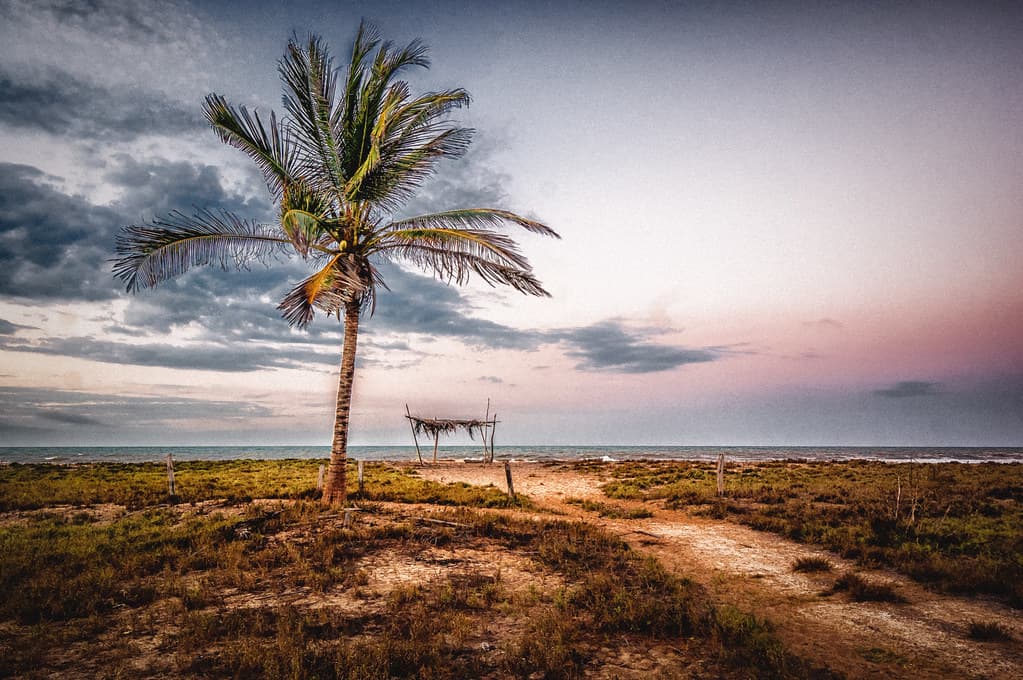
This is transitional coastline, where the urbanization of the west gives way to the emptier reaches extending toward Boca de Uchire. The sand is medium-grain, tan rather than white, compacted enough for walking but soft enough to cushion bare feet. Driftwood accumulates near the high-tide line—bleached branches and entire tree trunks carried down from inland rivers during the rainy season, now sun-dried and salt-scoured.
“The transitional geography creates an accidental wilderness beach, undeveloped not by protection but by simple lack of commercial interest.”
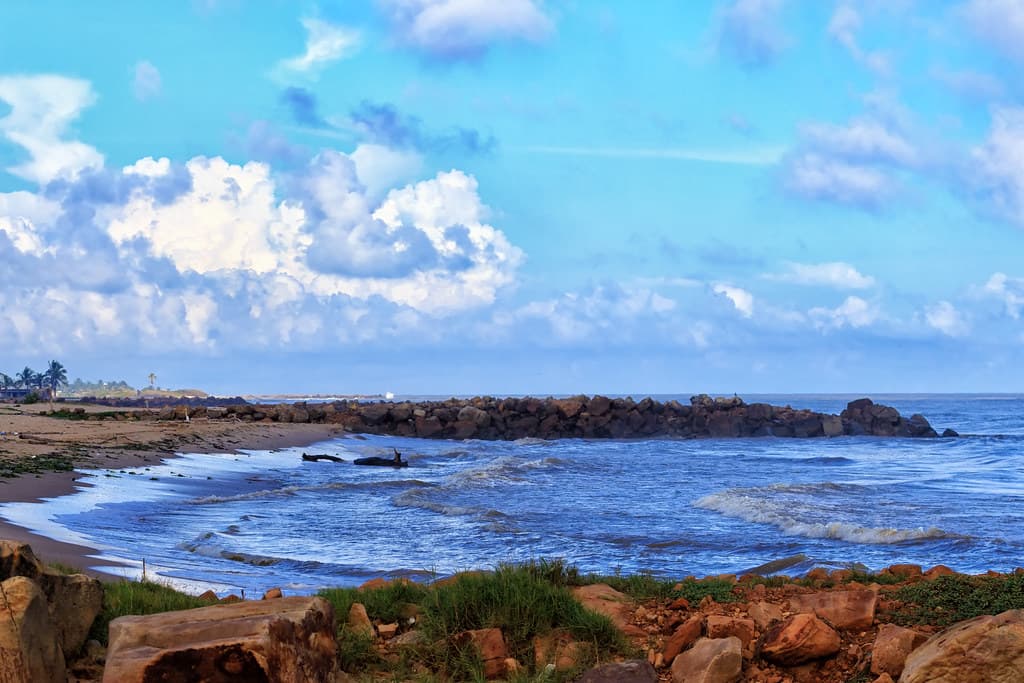 Credit: Flickr
Playa Clarines — photo by ferjflores
The water approaches in low, consistent waves that break and reform multiple times across a shallow nearshore shelf. Children play in ankle-deep water fifty meters from shore, and you can walk out until the beach behind you shrinks to a thin line without getting deeper than your waist. The bottom is sandy with occasional patches of seagrass, and small fish scatter around your legs with each step.
Inland, the landscape is scrubby—scattered palms and dense bushes that provide minimal shade. Most visitors bring their own umbrellas or pop-up shelters, creating temporary settlements that disappear by evening. The lack of vendors and facilities means you'll need to be self-sufficient, but it also means you can walk for twenty minutes in either direction and see perhaps ten other people total. Pelicans patrol the surf line, diving with mechanical regularity, and frigatebirds circle overhead, their scissored tails stark against the sky.


