
You'll watch the island grow larger as your boat crosses from the mainland, its vegetation-crowned spine surrounded by that unmistakable pale halo where shallow water meets beach. The approach reveals why this place matters in the Mochima west sector—while mainland beaches mix sand with stone and vegetation reaches the tide line, Isla de Plata offers that increasingly rare combination of proper white sand, turquoise shallows, and enough distance from shore to feel genuinely removed. The island isn't large; you could walk its perimeter in twenty minutes, but that compact scale concentrates its appeal.
“The western sector's premier island destination, offering vivid turquoise shallows and true white sand rare on this stretch of coast.”
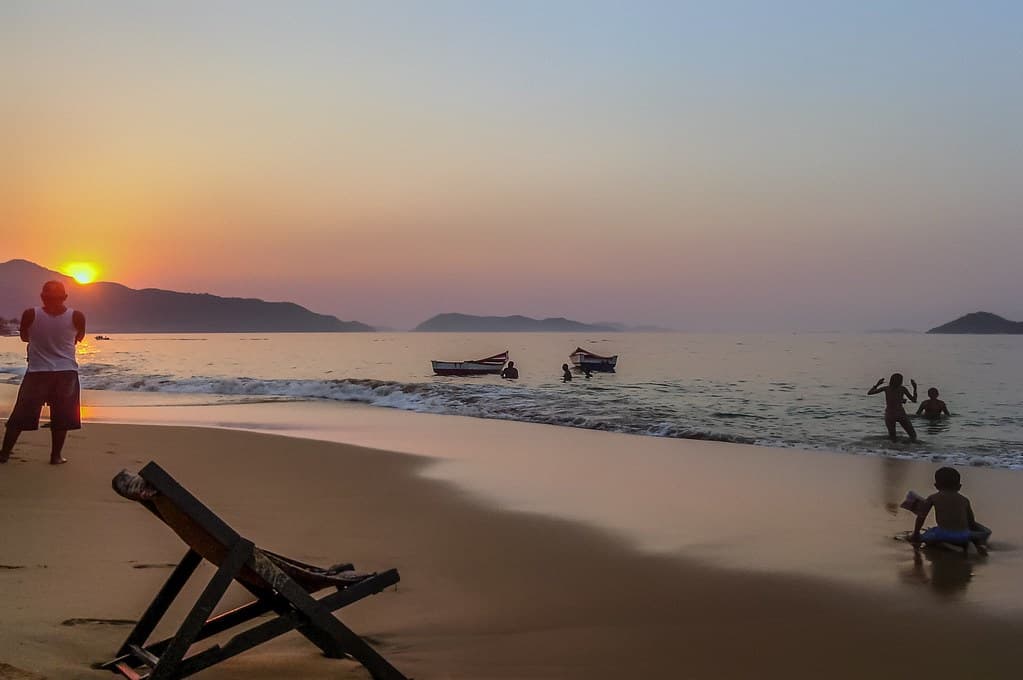 Credit: Flickr
Playa Isla de Plata — photo by José Pestana
Wade from the boat and the water barely reaches your knees ten meters out. The sand underneath is almost pure silica, bright enough that you'll squint even underwater. Visibility runs fifteen meters on typical days—you'll watch your shadow ripple across the bottom as sergeant majors and blue tangs investigate your ankles. The snorkeling improves along the island's windward side where rocky substrate provides habitat for more diverse marine life. Parrotfish graze methodically, their beaks scraping algae with rhythmic clicks. Small rays bury themselves in sand with only their eyes protruding, exploding into flight when you approach too closely.
The island sees weekend traffic from Puerto La Cruz and Guanta families who know its value—you'll share the sand with groups who've brought elaborate picnics and portable speakers, the Venezuelan beach experience transported offshore. But the island absorbs crowds better than mainland beaches thanks to its circular geography; walk a hundred meters and you'll find relative solitude. Shade comes from a few scrubby trees inland, minimal but functional. By late afternoon boats begin their exodus and the island empties, the water returning to glass, the sand showing only the tracks of seabirds.


