
Reaching El Rincón de Uchire requires commitment—the kind of navigation that involves unpaved roads, uncertain signage, and the faith that the locals directing you actually know what lies at the end of this particular track. But the cove rewards your persistence with immediate seclusion. Rocky points embrace the beach on both sides, creating a sheltered amphitheater where the water settles into calm, glassy stillness. The sand here shows more shell fragments than foot traffic, more drift wood than umbrella poles.
“A genuinely obscure cove on Anzoátegui's wild eastern frontier, untouched by tourism infrastructure or even basic recognition.”
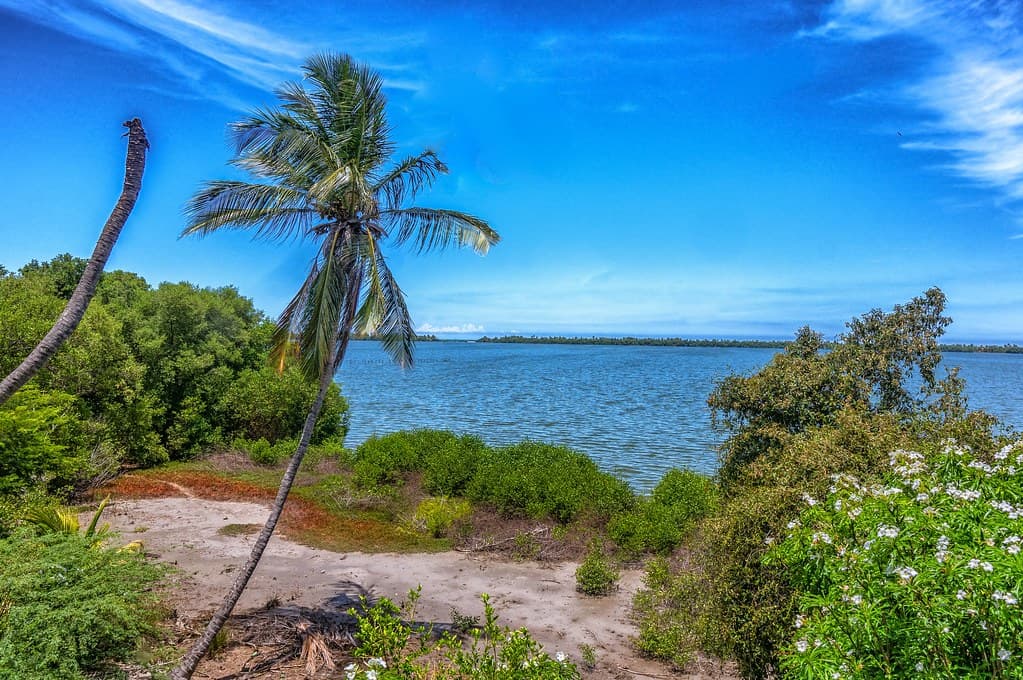 Credit: Flickr
Playa El Rincón de Uchire — photo by José Pestana
The afternoon light hits differently in this protected space, reflected off the surrounding stone and creating a warm, enclosed atmosphere. You might share the beach with a fisherman mending nets, a couple who drove hours for exactly this kind of solitude, perhaps nobody at all. The water enters cool and clear, revealing rocky bottom near shore before transitioning to sand. Small fish dart in the shallows, unbothered by the rare human presence. The surrounding landscape feels more arid than the western coast, vegetation sparse and wind-sculpted.
Sunset here becomes a private performance. The cove faces west enough to catch the descending light, which ignites the water and paints the protective headlands in progressive shades of copper and shadow. You'll hear waves breaking on the outer rocks but experience only gentle lapping where you stand. This is the beach nobody mentions because so few make the journey—and those who do prefer to keep it that way.


