
The Cuyagua River meets the ocean in a perpendicular slash, its brown current pushing seaward against incoming swells to sculpt a shifting sandbar that, on clean days, spins off lefts so long you forget to kick out. The paddle-out runs alongside the river mouth; you use the outflow as a conveyor belt, then stroke hard right to beat the sweep. Pelicans work the same current, skimming the trough between waves, and sea turtles surface in the lineup, unbothered.
“The only Venezuelan beach where Afro-Caribbean drumming traditions and world-class surf breaks occupy the same sand, each shaping the other's rhythm.”
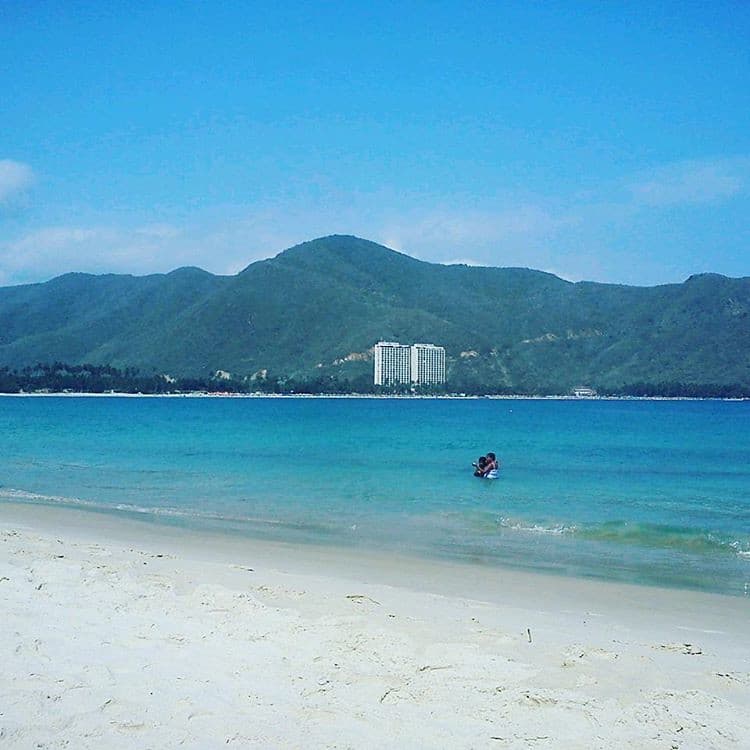 Credit: Flickr
Playa Boca de Cuyagua — photo by Lothloriem
Onshore, the village of Cuyagua stacks itself against the hillside in a patchwork of pastel concrete and corrugated tin, cacao groves climbing the slopes behind. Surf culture here predates the term: locals were riding planks in the Seventies, and their sons now shape boards in open-air workshops scented with resin and sawdust. Between sets you hear African drums—fulía, tambor—practiced in the shade of almond trees whose roots buckle the coastal path. Sunday afternoons turn ceremonial, the beach a stage for call-and-response chants that predate the republic.
Sunset stains the river mouth copper, and the offshore wind—reliable, grooming—carries the smell of woodsmoke from beachside areperas. You towel off beside fishermen sorting their lines, and a woman in a headwrap sells slices of candied papaya from a wicker tray. The last set of the day peels unridden, lit from behind, a silhouette show for the gallos perched on the breakwater rocks.


