
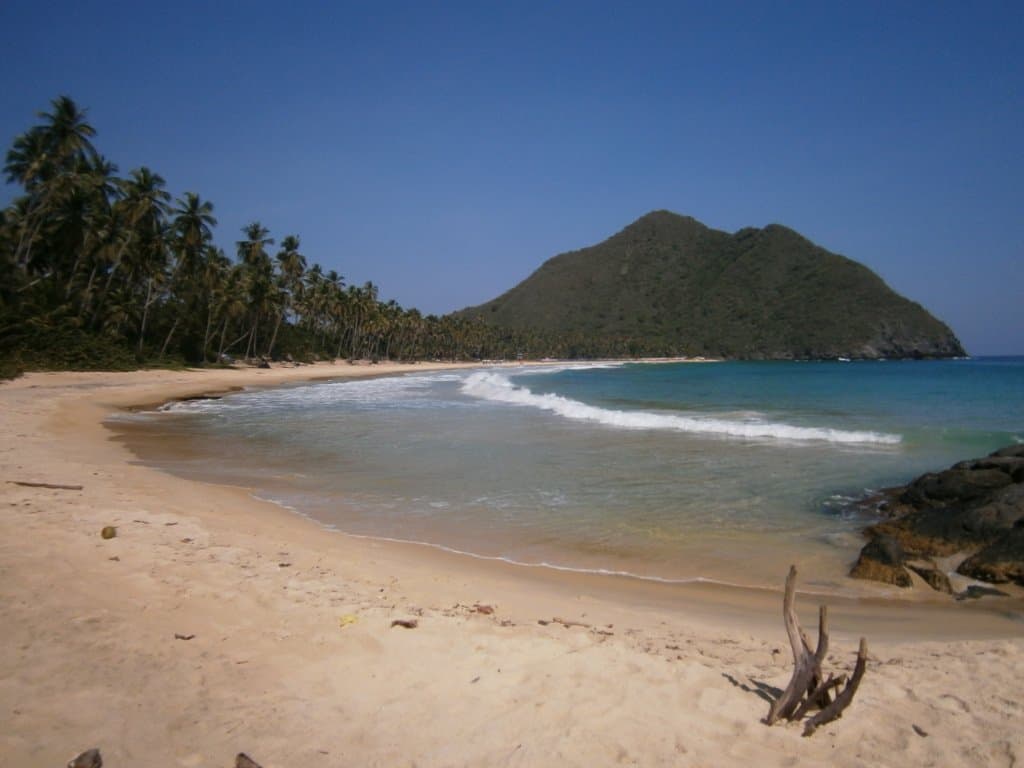
This cove hides in plain sight, visible from the main beach but separated by enough physical inconvenience that most visitors never bother. You follow a faint trail that skirts a hillside, ducking under low branches, testing your footing on rocks polished smooth by years of occasional rain. Then the trees open and you're looking down at a crescent of sand barely fifty feet wide, hemmed in by boulders draped with vines.
“The physical barrier to entry creates accidental exclusivity—a pristine cove reserved for those willing to scramble for it.”
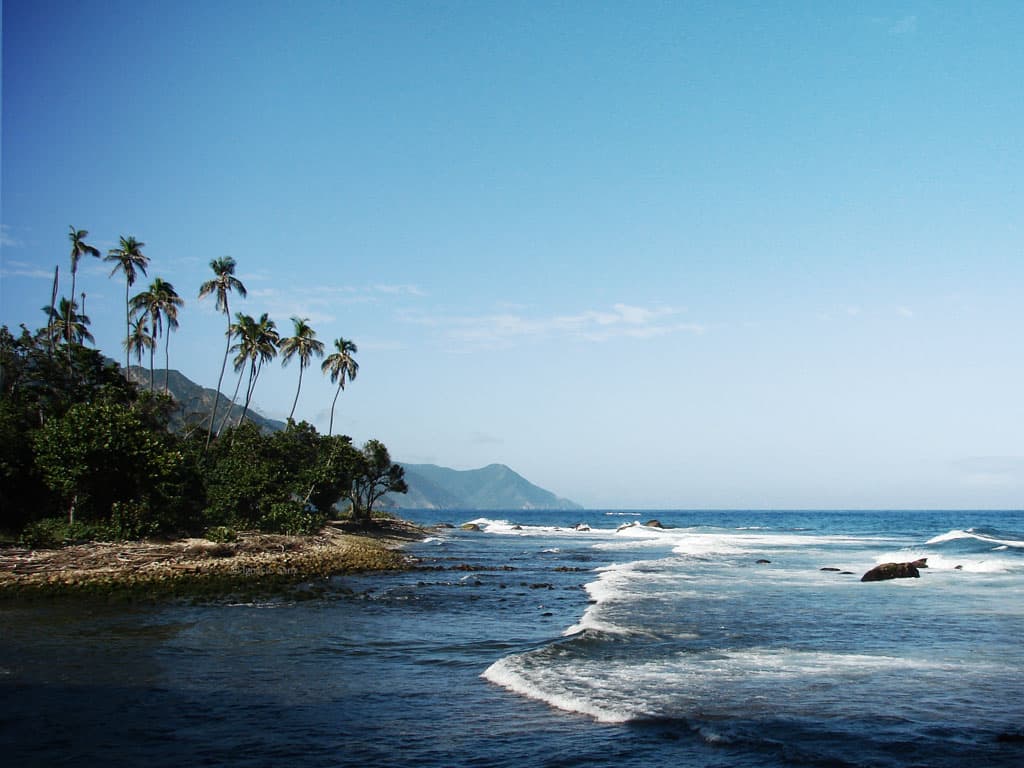 Credit: Flickr
Playa El Diario de Choroní — photo by Ignacio Sanz
The water here is absurdly clear—you can count rocks on the bottom in twelve feet of depth—and the cove's shape tames the swells into something gentler. You drop your bag against a piece of driftwood and wade in, feeling the temperature gradient where sun-warmed surface water gives way to cooler currents from deeper offshore. Small fish dart between rocks, unconcerned. A line of hermit crabs patrols the tide line, their procession comically purposeful.
You'll likely share this space with only one or two other groups, couples mostly, who've made the same calculation about effort versus reward. There's no vendors, no music, no facilities—just sand, water, and the rhythmic slosh of waves against stone. By the time you climb back up to the main path, legs shaking slightly from the ascent, you'll feel like you've stolen something valuable that nobody was guarding carefully enough.


