
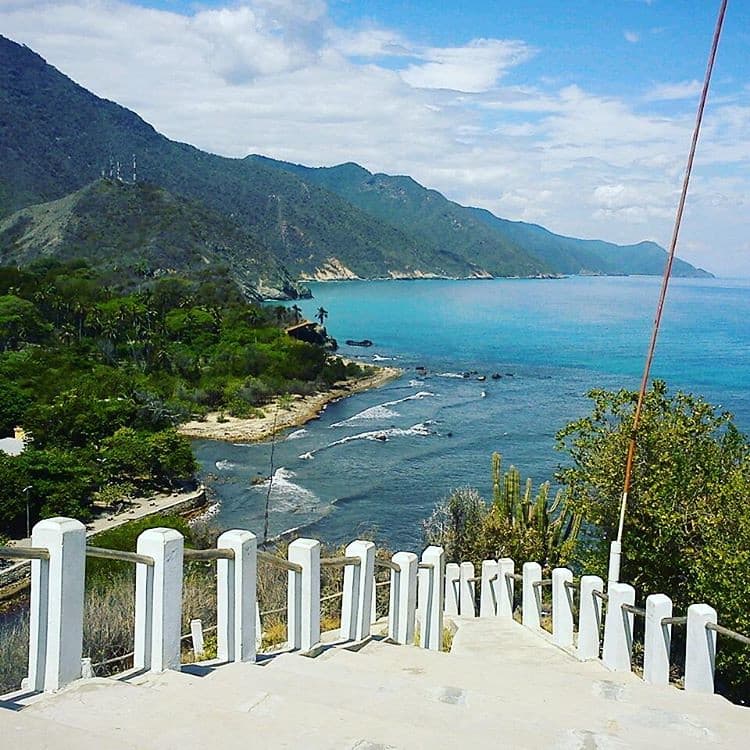
The breakers roll in with a steady rhythm that has anchored this fishing village to the sea for centuries. You step from the colonial square onto warm sand, passing vendors who fan cachapas on griddles and call out prices for coconut water served in the shell. The beach curves wide, its shoreline dotted with painted wooden peñeros bobbing in the surf.
“Henri Pittier National Park's only major beach settlement, where jungle-covered peaks meet the Caribbean within a single viewshed.”
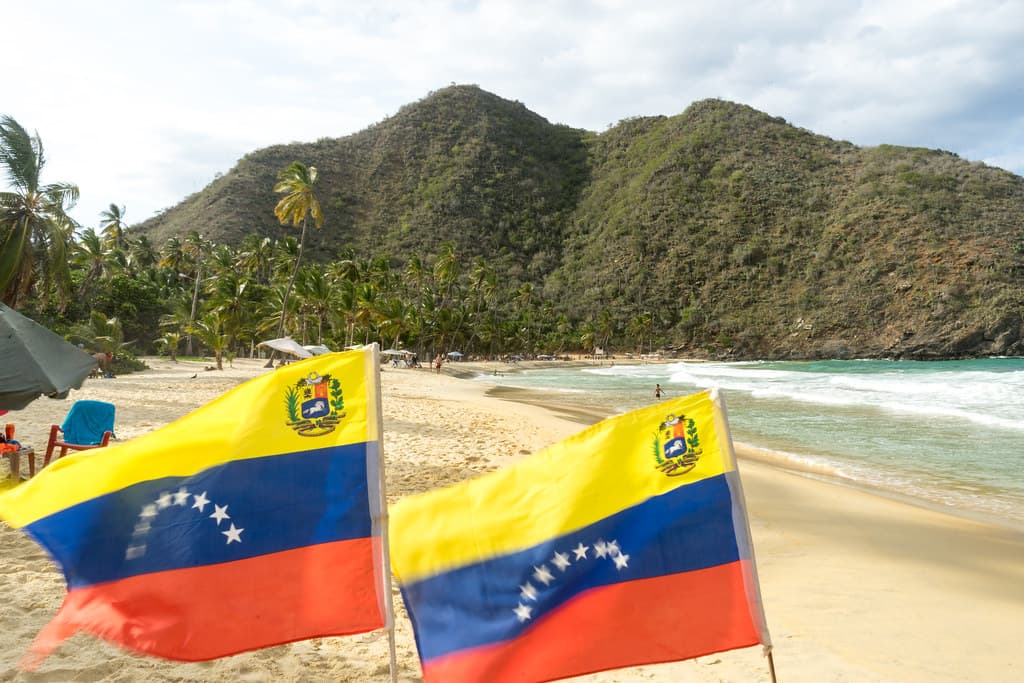 Credit: Flickr
Playa Grande de Choroní — photo by tesKing (Italy)
By mid-morning, families stake out patches beneath almond trees that drop shade in lace patterns across beach towels. The water here shifts from jade near the sand to cobalt where the continental shelf drops away. You'll wade out over ridges of packed sand, feeling the temperature cool as you pass the break line. Local boys leap from anchored boats, their shouts mixing with the calls of frigatebirds overhead.
When the afternoon light turns amber, the fishermen return, hauling nets onto the sand while their wives set up folding tables for the catch. You can buy snapper still twitching, or walk to the malecón where restaurants grill it over driftwood coals. The mountains behind town go purple in the fading light, their cloud forest slopes rising straight from the beach into mist.


