
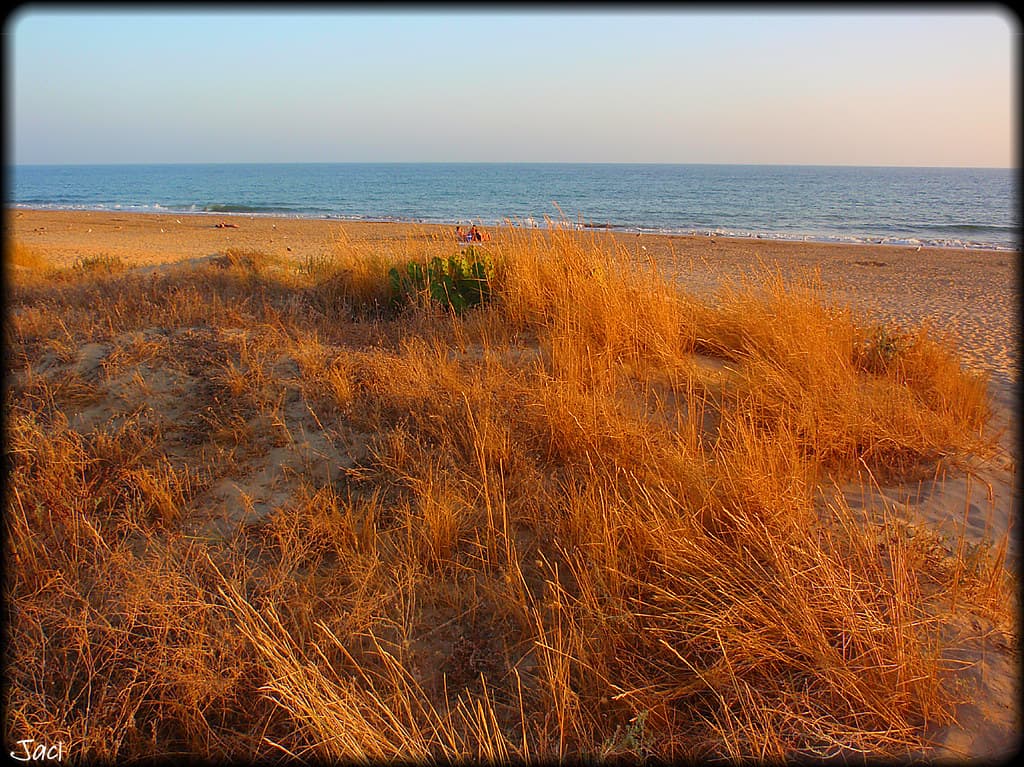
The sand at Playa El Cruce holds the warmth of the Falcón sun long after you spread your towel beneath the sprawling uvero trees that fringe the upper beach. Fishing boats rest on wooden rollers above the tide line, their hulls painted in fading blues and greens, while pelicans dive just beyond the shallow break. The water temperature hovers near bath-warm, and you can wade out fifty meters before it reaches your chest.
“The almond and uvero canopy provides natural, zero-cost shade that draws multigenerational Venezuelan families back weekend after weekend.”
 Credit: Flickr
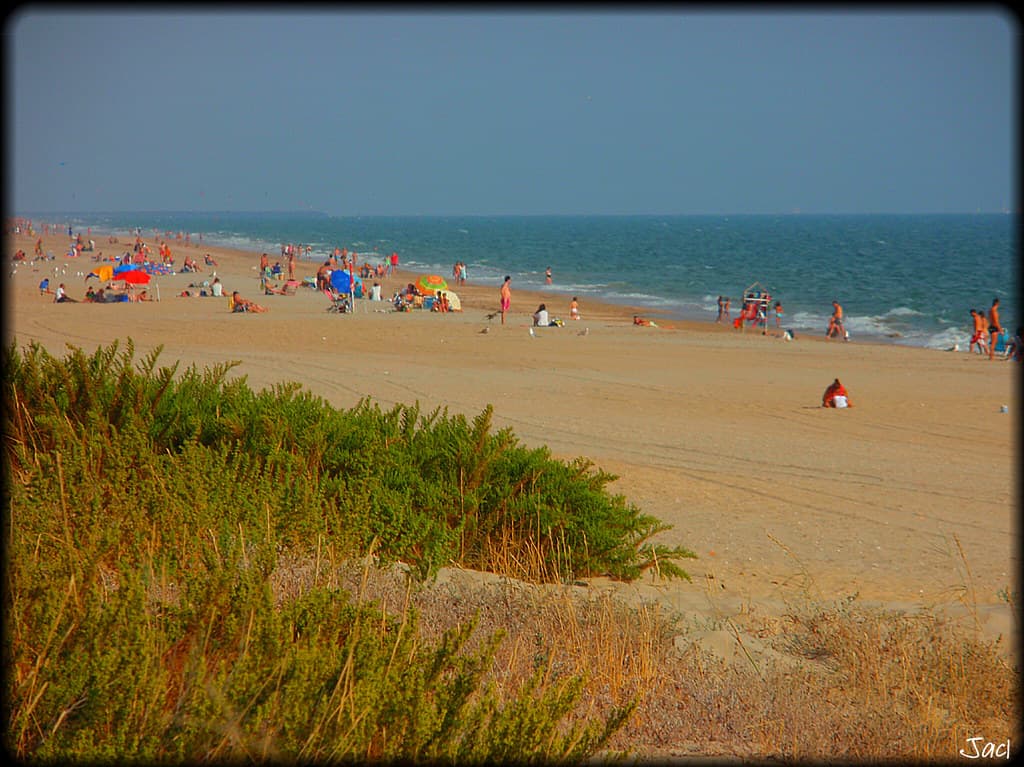
Playa de la Bota (Huelva)
Local families arrive mid-morning with coolers of malta and arepas, claiming shade beneath the natural canopy where roots have carved miniature caves in the compacted sand. The beach runs nearly deserted on weekdays, save for the occasional vendor selling coconut water hacked open with a machete on the spot. Small waves fold over in soft white lines, their rhythm steady enough to lull you into an afternoon doze.
As the day softens, the smell of wood smoke and frying plantains rises from the handful of tin-roofed ranchos set back from the shore. Gulls wheel overhead, calling to one another as the breeze picks up, carrying the briny tang of seaweed drying on the tide line. You leave with salt crusted on your skin and sand worked deep into the seams of your bag.


