Counting the waves…
Counting the waves…
A refined fusion of water purity, environmental stability, and communal vibrancy for Cayo de Agua.
View MethodologyAnalyzed via live sensors and environmental data.
Wave height, wind, and atmospheric stability.
Live footfall and crowd balance metrics.
Community reviews and curated sentiment.
“Experience the quintessential Caribbean dream at Cayo de Agua, where two stretches of blindingly white sand meet in a shallow, ethereal embrace. This famous sandbar is a natural masterpiece, inviting you to wade, relax,…”
Limited recent visitor reports — live OBI telemetry is your best guide for current conditions.
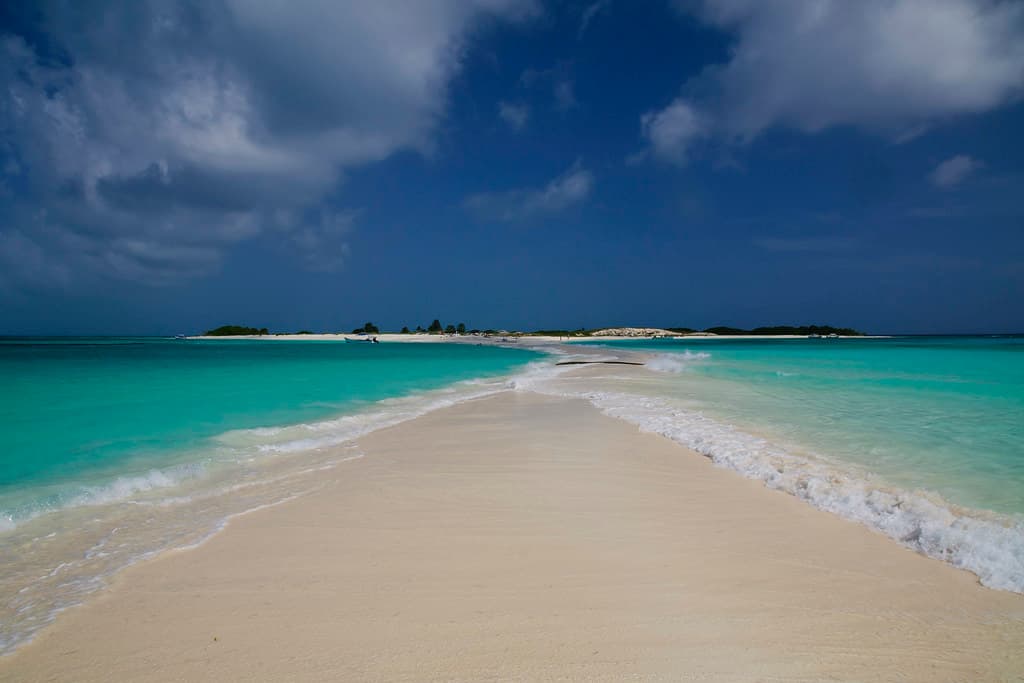
Cayo de Agua is not merely a beach; it's a living, breathing postcard, the very embodiment of a tropical fantasy. Located within the breathtaking Los Roques archipelago, this iconic sandbar is famous for its unique formation: two pristine strips of brilliant white sand that gently converge, creating a shallow, crystal-clear channel where the Caribbean Sea shimmers in a thousand shades of blue and green.
The sand itself is impossibly fine, cool beneath your bare feet, stretching out like powdered sugar against the vibrant water. You can wade for what feels like miles in ankle-deep warmth, the horizon a seamless blend of sky and sea. The gentle lapping of the waves is the only sound, a soothing soundtrack to this idyllic escape. It's a place where the line between land and water blurs, inviting you to simply exist in its serene beauty.
people on beach
people on beach during daytime
Relax on pristine white sand
Walk in crystal-clear water
Capture postcard views
Prime Visitation
Best Weather
Where it is
Cayo de Agua
Gran Roque, Federal Dependencies, Venezuela
11.820300°, -66.927600°
Weather
Loading…
Swell
—
Temp
Warm · Restorative
UV Index
Moderate
Wind
—
Tidal State
Last known
Max Sunlight
—
Ideal Shade
—
Jan - Dec (Peak)
May - Nov (Off-season)
Historical data suggests peak visibility and stable sea temperatures occur during the prime visitation window.
Select a category to load nearby places.
Unlock restaurants, luxury stays and curated maritime experiences within 2km
Swimming at Cayo de Agua is generally safe and enjoyable, with calm, clear turquoise waters typical of the Los Roques archipelago. The white sand bottom and shallow areas near the iconic sandbar make it suitable for swimmers of varying abilities. However, currents can strengthen in deeper channels and around the sandbar's edges, particularly during tidal changes. There are no lifeguards on duty, so swimmers should remain vigilant. The sandy bottom is generally free of hazards, but wearing water shoes can protect against occasional sea urchins or sharp shells. Sun protection is critical due to intense Caribbean sunshine with minimal shade.
The best time to visit Cayo de Agua is during Venezuela's dry season from December to April, when you'll find optimal weather with sunny skies, calm seas, and excellent visibility. Within this period, weekdays tend to be less crowded than weekends or holidays. Mornings offer the best light for photography of the famous sandbar and clearer water before afternoon winds pick up. The sandbar's appearance varies with tides—low tide reveals more sand for walking. Hurricane season runs June through November, when seas can be rougher and services may be limited. Book accommodations in Gran Roque well in advance during peak season.
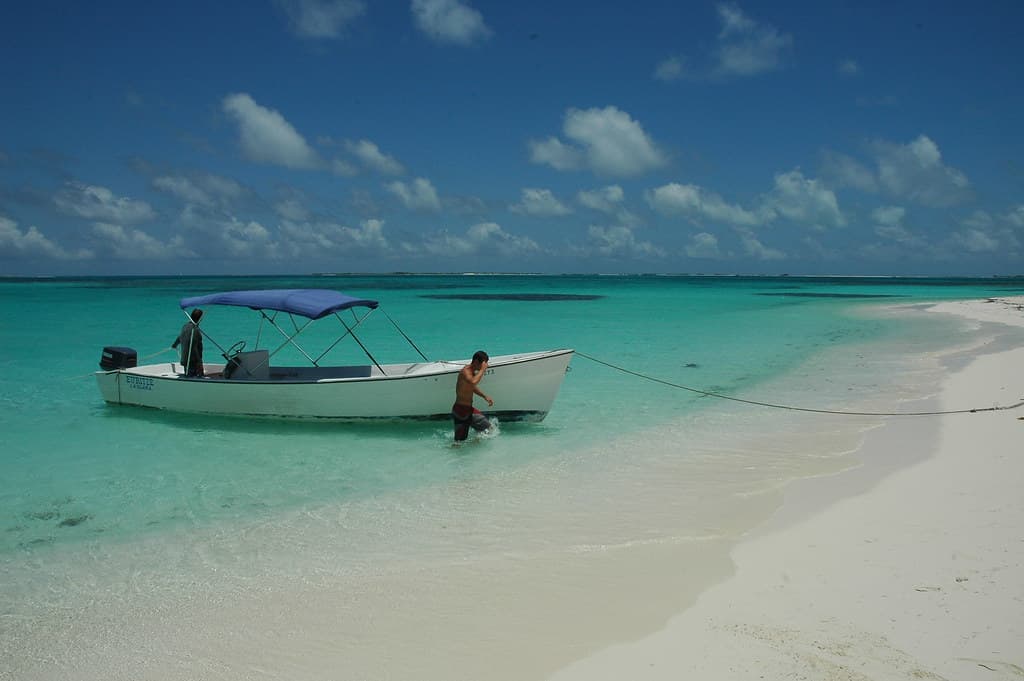
Reaching Cayo de Agua requires first getting to Gran Roque, the main inhabited island of Los Roques, typically by small aircraft from Caracas or Maracaibo. From Gran Roque, Cayo de Agua is accessed by boat as part of organized day tours or private boat charters arranged through your posada or local tour operators. The boat ride takes approximately 15-30 minutes depending on sea conditions. Most visitors join full-day tours that include Cayo de Agua along with other cays, providing snorkeling equipment and lunch. Prices vary but expect to pay per person for group tours. Private charters cost more but offer flexibility with timing and itinerary.
Cayo de Agua itself has no permanent structures, accommodations, or restaurants—it's an uninhabited sandbar and cay. All lodging is based on Gran Roque island, where you'll find posadas (small guesthouses) offering rooms with meals included, typically breakfast and dinner. Most day tours to Cayo de Agua include lunch, often fresh fish or seafood prepared on the boat or beach. Some tours provide beach setups with umbrellas. You must bring your own water, snacks, and sun protection. There are no facilities on Cayo de Agua—no restrooms, shops, or services—so plan accordingly and respect the pristine environment by taking all trash with you.
Cayo de Agua's iconic sandbar is a stunning natural feature where brilliant white sand extends between two sections of the cay, creating a dramatic pathway through crystal-clear turquoise and emerald waters. This photogenic phenomenon allows visitors to walk through shallow water with vibrant ocean on both sides, creating the illusion of walking on water. The sandbar's visibility changes with tides, being most pronounced at low tide. The contrast of pure white sand against multiple shades of blue Caribbean water makes it one of Los Roques' most photographed locations. The surrounding waters are perfect for snorkeling, with excellent visibility and diverse marine life enhancing the beach's appeal.
Photos