
Counting the waves…
Counting the waves…
A refined fusion of water purity, environmental stability, and communal vibrancy for Playa Norte de Isla de Patos.
View MethodologyAnalyzed via live sensors and environmental data.
Wave height, wind, and atmospheric stability.
Live footfall and crowd balance metrics.
Community reviews and curated sentiment.
“Escape the everyday on Isla de Patos' northern shore, a pristine crescent of sand where the only footprints you'll find are your own. The turquoise shallows invite a languid dip, while the distant hum of the ocean…”
Limited recent visitor reports — live OBI telemetry is your best guide for current conditions.
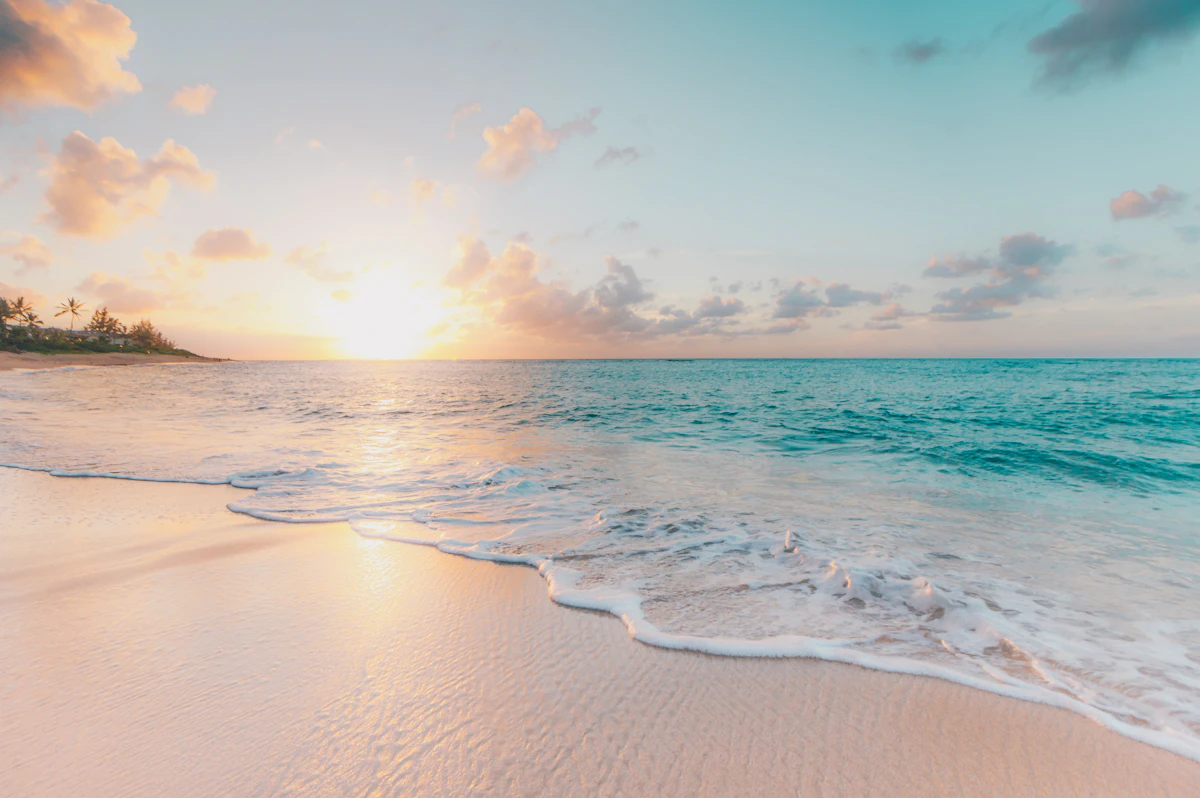
Playa Norte de Isla de Patos offers a pristine canvas for those seeking solitude. Imagine sinking your toes into sugar-soft sand, the sun warm on your skin, and the only sound the lapping of waves against the shore. This northern expanse of Isla de Patos remains largely untouched, a testament to its remote allure.
The water here is a painter's palette of blues and greens, shallow and inviting, perfect for a leisurely wade or a gentle float. Look closely, and you might spot a flash of silver as small fish dart through the clear depths. The absence of crowds means you can truly disconnect, letting the island's natural rhythm dictate your day.
Wide white-sand beach with footprints
Cliff-edge cove with emerald water
Uninterrupted rays
Warm, shallow water
Panoramic ocean views
Prime Visitation
Less Crowds
Where it is
Playa Norte de Isla de Patos
Isla de Patos, Federal Dependencies, Venezuela
10.641100°, -61.867200°
Weather
Loading…
Swell
—
Temp
Warm · Restorative
UV Index
Moderate
Wind
—
Tidal State
Last known
Max Sunlight
—
Ideal Shade
—
Jan - Dec (Peak)
May - Nov (Off-season)
Historical data suggests peak visibility and stable sea temperatures occur during the prime visitation window.
Select a category to load nearby places.
Unlock restaurants, luxury stays and curated maritime experiences within 2km
Swimming safety depends on prevailing conditions including weather, currents, and wave action. The northern position may experience different exposure to wind and seas compared to other parts of the island. Isla de Patos has no lifeguards, safety equipment, or emergency services as it is uninhabited. Always carefully evaluate conditions before entering the water and never swim alone. Self-rescue capability and conservative risk assessment are critical given the complete isolation from assistance.
This beach is best during less crowded periods, which is essentially year-round due to the island's extreme remoteness. Weather and sea conditions should primarily determine timing. The northern exposure may be affected differently by seasonal wind patterns. Generally, calmer weather months provide better access conditions. Since Isla de Patos is uninhabited and difficult to reach, consult experienced operators about optimal weather windows and seasonal conditions before attempting any visit.
Reaching this beach requires boat charter from mainland Venezuela or nearby islands, involving a significant sea crossing to Isla de Patos. The island is part of the Federal Dependencies and is uninhabited, making access logistically complex and potentially requiring official permits. The northern position may affect landing conditions depending on wind direction and sea state. Work with experienced charter operators familiar with the island and navigation requirements. Independent visits are impractical.
Isla de Patos is completely uninhabited with no restaurants, hotels, or facilities of any kind. Visitors must be entirely self-sufficient, bringing all food, drinking water, camping equipment, and necessary supplies. There is no fresh water source on the island. Any overnight stay requires wilderness camping skills and complete preparation. All waste must be packed out. This is a true wilderness destination requiring thorough expedition planning and experience with remote environments.
The northern position of Playa Norte distinguishes it from other beaches on Isla de Patos, potentially offering different views, wave patterns, and exposure to prevailing winds and currents. This orientation may create unique coastal features and beach dynamics. As part of an uninhabited island in Venezuela's Federal Dependencies, it shares the island's exceptional remoteness and pristine natural state while offering a distinct perspective based on its northern location and specific environmental characteristics.
Photos