Counting the waves…
Counting the waves…
A refined fusion of water purity, environmental stability, and communal vibrancy for Playa Arrecife.
View MethodologyAnalyzed via live sensors and environmental data.
Wave height, wind, and atmospheric stability.
Live footfall and crowd balance metrics.
Community reviews and curated sentiment.
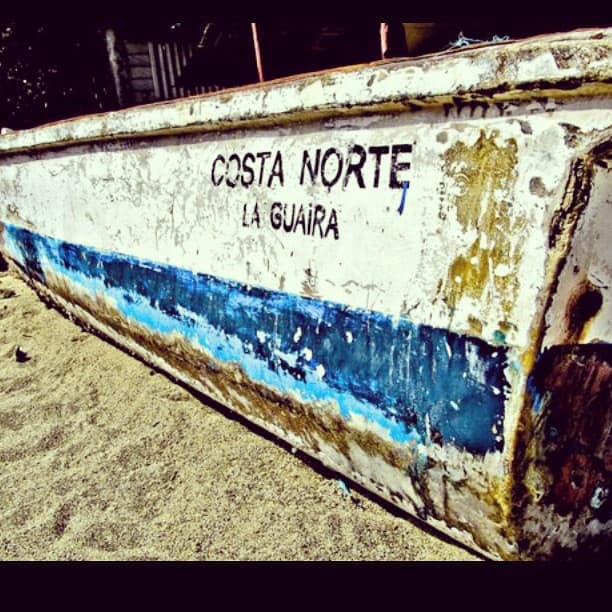
“The boat drops you at a narrow strip of sand backed by rocks, where the only sounds are wavelets against the reef and occasional frigatebirds overhead. Bring your mask—the real attraction lies ten meters offshore, where…”
Limited recent visitor reports — live OBI telemetry is your best guide for current conditions.
The approach by boat reveals why Arrecife remains lesser-known: no road access, no visible beach facilities, just a small indentation in the rocky coastline where sand has accumulated behind a protective reef. You'll wade ashore onto coarse sand mixed with coral fragments, your fins already on because the snorkeling starts immediately.
The reef runs parallel to shore, close enough that you can swim out in minutes but substantial enough to host sergeant majors, parrotfish, and the occasional octopus hunting in the crevices. The coral here doesn't rival Caribbean poster children—this is scrubby Venezuelan reef, more browns and greens than technicolor—but it's alive and active, with enough fish to make the swim worthwhile. The water stays clear most days, visibility extending twenty feet or more when the seas cooperate.
 Credit: Unsplash
A man standing on top of a sandy beach under palm trees
 Credit: Unsplash
green palm trees on brown sand under blue sky during daytime
Coral heads, tropical fish
Calm water inside reef
Bring waterproof gear
Prime Visitation
Best Weather | Less Crowds
Where it is
Playa Arrecife
Carayaca, La Guaira, Venezuela
10.573800°, -67.215600°
Weather
Loading…
Swell
—
Temp
Warm · Restorative
UV Index
Moderate
Wind
—
Tidal State
Last known
Max Sunlight
—
Ideal Shade
—
Jan - Dec (Peak)
May - Nov (Off-season)
Best Weather | Less Crowds
Select a category to load nearby places.
Unlock restaurants, luxury stays and curated maritime experiences within 2km
Reef environments require specific safety awareness. Wear reef-safe shoes to protect against sharp coral, rocks, and sea urchins. Never stand on or touch coral, both for your safety and reef preservation. Snorkelers should be confident swimmers, as currents can be stronger near reefs. Check weather and sea conditions before entering; calm seas are essential. Boat access suggests deeper or more challenging swimming conditions than beach-entry locations. Bring basic first aid for minor cuts or scrapes. The remote location means limited emergency services, so prioritize conservative decision-making and never snorkel alone.
The dry season (December-April) offers the best visibility for snorkeling, with calmer seas and less runoff affecting water clarity. Morning hours typically provide the calmest conditions and best underwater lighting for viewing marine life. Visit during periods of less crowds to enjoy the reef more peacefully. Avoid windy days when surface chop reduces underwater visibility and makes boat access more challenging. Check tidal conditions if possible, as some reefs are best explored at specific tide stages. Budget travelers can find better accommodation rates during shoulder seasons while still enjoying reasonable snorkeling conditions.
This reef beach requires boat access, which can typically be arranged from Carayaca village or nearby coastal communities. Contact local fishermen or tour operators who know the reef location and safe approach routes. Boat trips may be private charters or shared excursions depending on availability. Costs vary based on group size and distance. The boat requirement means weather conditions must be favorable for safe travel. Confirm departure and return times with your boat operator. Bring contact information for your boat captain and agree on pickup times to avoid being stranded at this remote location.
Pack your own snorkeling gear if you have it, though boat operators may provide basic equipment. Bring reef-safe sunscreen, water shoes, plenty of drinking water, and snacks or lunch. A dry bag protects valuables and electronics during boat transit. Underwater camera equipment captures the reef scenery. Bring sufficient sun protection including hats and rash guards. Basic first aid supplies are important at remote locations. Since there are no facilities, pack everything you might need for several hours. Take all waste with you to preserve the pristine reef environment.
The reef environment offers snorkeling opportunities to observe marine life and coral formations in a hidden, low-profile setting without crowds. Unlike developed snorkeling destinations, this beach provides authentic, undiscovered underwater experiences. The scenic coastal setting combines both above and below-water beauty perfect for nature photography. The boat-access requirement filters out casual visitors, ensuring a more exclusive experience. The remote western La Guaira coast location means less disturbed marine ecosystems compared to heavily visited areas. For snorkeling enthusiasts seeking uncrowded reef exploration, this represents an off-the-beaten-path Venezuelan coastal treasure.
Photos