
The pirogue fishermen pull their boats onto the shore just after dawn, their catches of snapper and grouper glistening in wooden crates. You'll spread your towel on sand that holds warmth from the volcanic parent rock of the coastal cordillera, watching pelicans dive beyond the breakers. The pueblo behind you hums with the quiet industry of a community that has fished these waters for generations—women mending nets beneath mango trees, the scent of grilled pargo drifting from open-air kitchens.
“This is one of the few Venezuelan beaches where you can watch traditional pirogue fishing still practiced daily as a primary livelihood.”
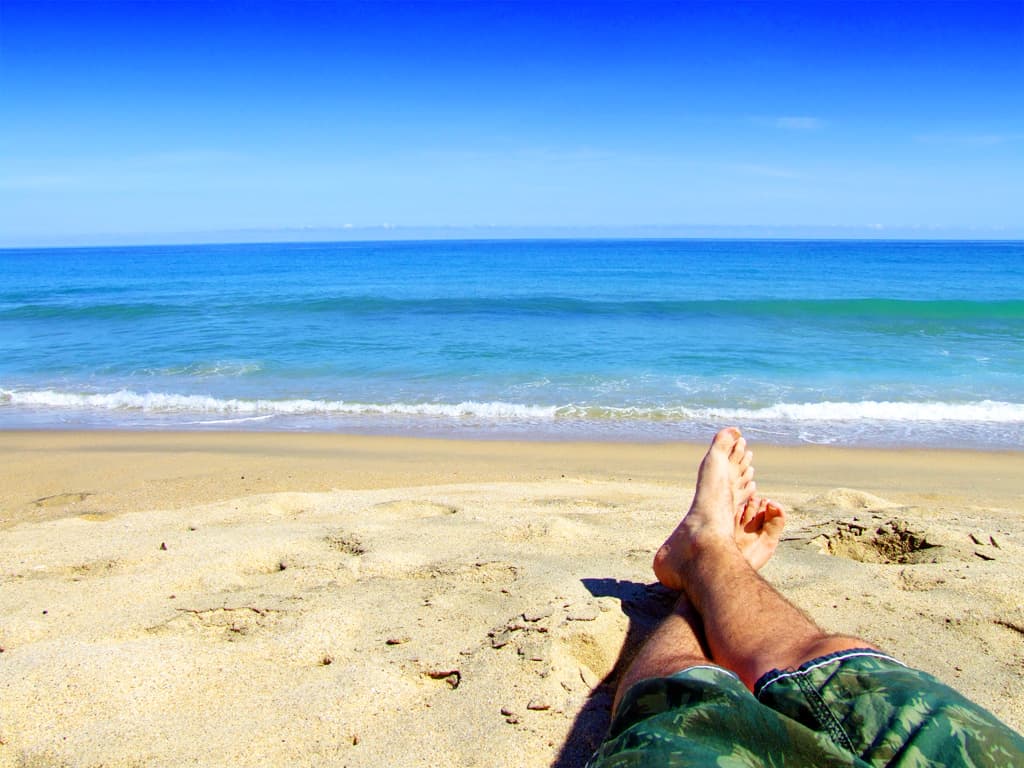 Credit: Flickr
Playa Caruao — photo by ervega
The beach curves gently, its eastern end dissolving into a tumble of smooth stones where hermit crabs scuttle between tide pools. Waves arrive in steady sets, their sound mixing with the rustle of almond trees that lean landward, shaped by prevailing winds. Beyond the surf, the water shifts from jade green near shore to deep indigo where the continental shelf drops away.
You won't find beach clubs or jet skis here. Instead, there's the rope swing hanging from a weathered samán tree, the makeshift soccer goal posts fashioned from driftwood, and the palapas where local families gather on Sundays. As afternoon clouds gather along the mountain ridge, casting moving shadows across the sand, you'll understand why this stretch of coast has remained largely in the hands of those who've always called it home.


