
Counting the waves…
Counting the waves…
A refined fusion of water purity, environmental stability, and communal vibrancy for Playa Boca de Naiguatá.
View MethodologyAnalyzed via live sensors and environmental data.
Wave height, wind, and atmospheric stability.
Live footfall and crowd balance metrics.
Community reviews and curated sentiment.
“The river churns through the coastal range and spills into the sea here, carving a delta where freshwater meets salt. Palms lean over the waterline, their fronds rustling in the thermal wind that funnels down the valley…”
Limited recent visitor reports — live OBI telemetry is your best guide for current conditions.
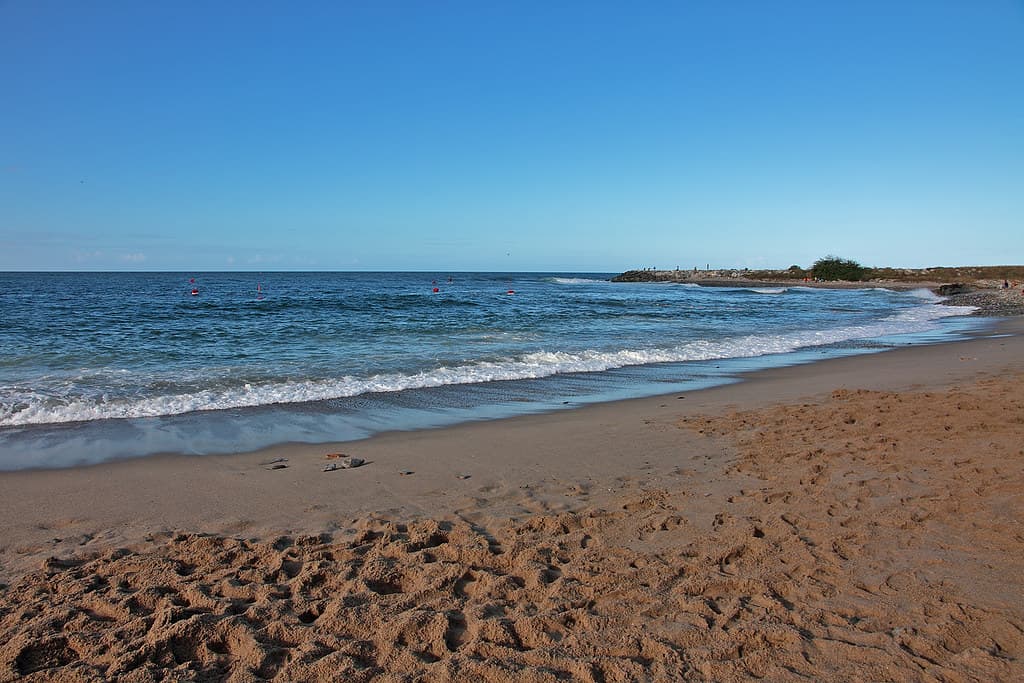
You'll find the Naiguatá River delta where the mountains surrender to the coast, a threshold where two ecosystems collide in a band of taupe sand and driftwood. The current pushes sediment into the bay, building sandbars that shift with each rainy season. Fishing boats rest on their hulls at low tide, paint peeling in the equatorial sun.
Local families claim the shade beneath grape trees on weekends, stringing hammocks between trunks while children wade where the river loses its momentum. The water here runs cool compared to the bathwarm Caribbean just meters away—you can feel the temperature gradient as you walk from river mouth to open sea. Sunset ignites the Ávila massif behind you, turning the slopes auburn and violet.
Freshwater meets Caribbean current
Ávila slopes at sunset
Valley descent to shore
Prime Visitation
Less Crowds | Budget Travel
Where it is
Playa Boca de Naiguatá
Naiguatá, La Guaira, Venezuela
10.619400°, -66.751800°
Weather
Loading…
Swell
—
Temp
Warm · Restorative
UV Index
Moderate
Wind
—
Tidal State
Last known
Max Sunlight
—
Ideal Shade
—
Jan - Dec (Peak)
May - Nov (Off-season)
Less Crowds | Budget Travel
Select a category to load nearby places.
Unlock restaurants, luxury stays and curated maritime experiences within 2km
Swimming conditions at river-mouth beaches can vary significantly. Where rivers meet the ocean, currents tend to be stronger and water clarity may be reduced, especially after rainfall. The mixing of fresh and saltwater can create unpredictable conditions. Always observe the water before entering, avoid swimming alone, and ask locals about current conditions. If the beach has merged with neighboring Playa Naiguatá due to natural changes, swimming safety will depend on which section you choose.
The best time to visit is during Venezuela's dry season, typically December through April, when you'll encounter fewer crowds and can enjoy budget-friendly travel. This hidden beach sees less tourist traffic year-round compared to more developed beaches. Weekdays are particularly quiet. The shoulder months of November and May also offer good conditions with even fewer visitors. Sunset viewing is a highlight here, so plan to stay into early evening for the best light and atmosphere.
Playa Boca de Naiguatá is located in the Naiguatá area of La Guaira state, along Venezuela's northern coast. From Caracas, you'll travel north through La Guaira toward the coastal resort belt. The beach is accessible via the coastal road that connects the various beaches in the Naiguatá area. Local transportation options include taxis or por puestos (shared taxis). Due to its somewhat hidden nature, asking locals for specific directions once you reach Naiguatá town will be helpful.
As part of the Naiguatá resort and beach belt, you'll find accommodation and dining options in the surrounding area, though this specific beach is more hidden and may have limited facilities directly on-site. The nearby Naiguatá town offers various restaurants serving fresh seafood and Venezuelan cuisine. Budget-friendly posadas and small hotels are available in the area. For more extensive services and lodging options, the broader La Guaira coastal zone provides additional choices within a short distance.
This beach is notable because it appears to have undergone significant natural changes, with the river-mouth beach likely merging with the adjacent Playa Naiguatá due to coastal dynamics. River-mouth beaches are constantly reshaped by sediment deposits, currents, and wave action. This natural transformation makes it an interesting example of coastal evolution. The area where the river meets the sea creates a unique ecosystem and landscape. While the distinct beach may no longer exist as a separate entity, the location remains significant for understanding coastal geography.
Photos